
How to Protect Yourself from Radiation Exposure
Radiation Protection
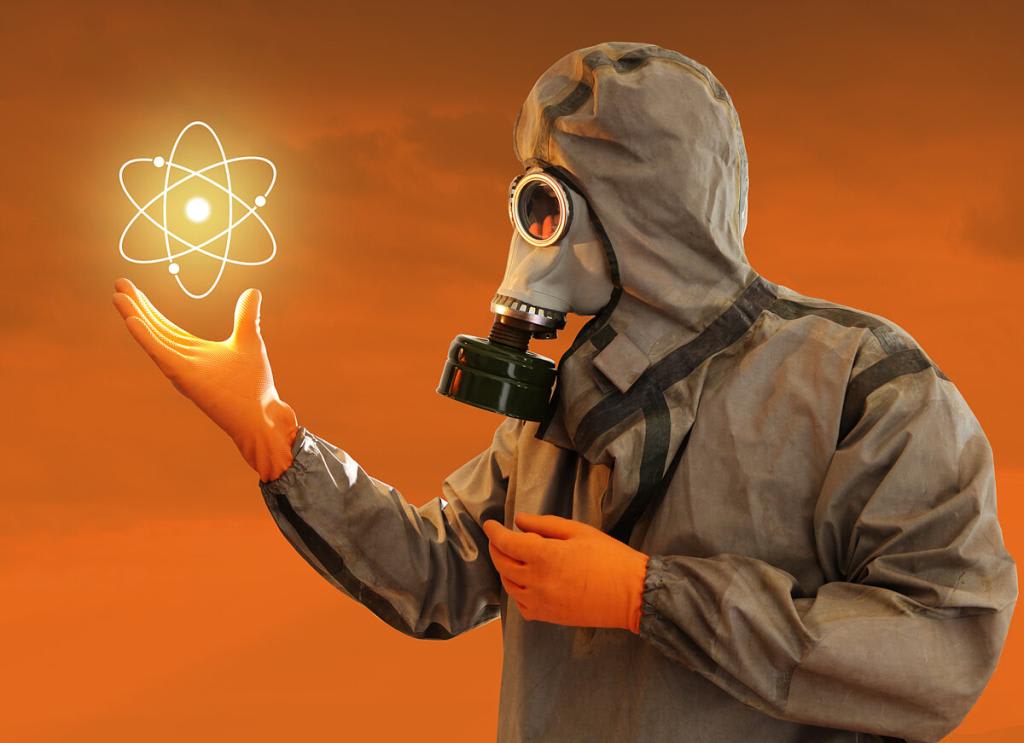
Radiation Exposure: Sources and Risks
Radiation comes from both natural and man-made sources. Naturally occurring radiation comes from radionuclides in the earth and cosmic radiation from outer space. Common natural sources include radon gas, radium in building materials, and potassium-40 in our bodies. Man-made sources include medical imaging like X-rays and CT scans, nuclear power plants, consumer products containing radioactive materials, and residual radiation from nuclear weapons testing and accidents.
Radiation Protection in nuclear power plants and industrial facilities refers to the implementation of shielding, monitoring, and containment techniques to protect personnel, the public, and the environment from exposure to radiation during the generation of nuclear energy or handling of radioactive materials
Low levels of radiation are a natural part of our environment and present minimal risks. However, high doses over short or long periods of time can damage cells and DNA, leading to radiation sickness, cancer and genetic mutations. The health risks generally increase with higher radiation exposure and are influenced by factors like dose rate, accumulated dose, and individual susceptibility. Some populations like nuclear industry workers may experience elevated long-term risks from prolonged low dose exposures.
Monitoring Radiation Levels
Various instruments are used to detect and measure radiation levels. Geiger counters are commonly used to screen for elevated radon levels in homes or detect residual radiation. Dosimeters worn by radiation workers provide a cumulative measure of occupational exposure. More specialized equipment includesradiation detectors used for monitoring the environment around nuclear facilities. Well-calibrated monitoring helps ensure radiation doses remain within safe limits set by regulatory agencies like the US EPA and Nuclear Regulatory Commission.
Reducing Radon Gas Exposure
Radon is a colorless, odorless gas produced by the radioactive decay of uranium in soil and rocks. It can accumulate in dangerous levels in some homes, making indoor radon the second leading cause of lung cancer after cigarette smoking. Testing is recommended for homes in high radon potential zones, especially before purchase or when in poor ventilation areas like basements. Mitigation systems using vent pipes and fans can be installed to reduce radon concentrations where levels exceed EPA action limits. Proper sealing of foundation cracks also helps keep radon out.
Minimizing Medical Radiation Doses
Medical exposure accounts for over half of the annual radiation dose most people receive. While diagnostic and screening exams provide important health benefits, radiation doses should always be justified and kept as low as reasonably achievable (ALARA principle). Doctors should consider alternative non-radiation exams where possible and order follow up imaging judiciously based on clinical needs. Technology advances like lower dose CT and fluoroscopy also help minimize risks. Patients should ask about anticipated doses and discuss alternative options with their physicians.
Reducing Consumer Product Radiation
Some consumer products contain small amounts of radioactive materials to enable their functionality. Examples include self-luminous watch and clock dials containing tritium or promethium-147, smoke detectors with americium-241, and gas mantles containing thorium. While the radiation doses from individual consumer items are negligible, cumulative exposures should still be limited where unnecessary. Older antiques should not be stored in living areas, particularly if damaged. Responsible disposal or recycling of products at end of life also ensures radioactive contents do not reenter the environment.
Occupational Radiation Safety
Those working in environments involving radiation sources face higher potential exposures. Strict regulatory standards help manage occupational risks for nuclear industry, medical, academic and other workers. Key protections include radiation monitoring devices, regulated dose limits well below levels posing appreciable risk, radiation work area access controls, protective equipment, radioisotope handling procedures, contingency planning, and radioactive waste management protocols. Strict adherence to safety policies and oversight helps safeguard occupational radiation exposures are maintained ALARA.
Natural background radiation is unavoidable, steps can be taken to reduce unnecessary radiation exposures from other sources. Understanding risks and taking prudent precautions helps appropriately manage radiation exposures whether from consumer products, occupational activities, medical procedures or environmental factors. With diligent monitoring and by keeping doses ALARA through technology, engineering and administrative controls, public radiation exposures today remain a small fraction of what they were in the past. Ongoing research continues working to better understand health effects at lower doses and mitigate radiation risks.
Get More Insights On - Radiation Protection
About Author:
Vaagisha brings over three years of expertise as a content editor in the market research domain. Originally a creative writer, she discovered her passion for editing, combining her flair for writing with a meticulous eye for detail. Her ability to craft and refine compelling content makes her an invaluable asset in delivering polished and engaging write-ups.
(LinkedIn: https://www.linkedin.com/in/vaagisha-singh-8080b91)
About the Creator
Keep reading
More stories from Prashant Gawale and writers in Writers and other communities.
Understanding Surge Protection Devices for Home and Business
What are Surge Protection Devices? Surge protection devices (SPDs) are electrical devices that are installed to protect electrical equipment from voltage surges induced by lightning strikes, power outages or downed lines. They work by diverting excess voltage to ground before it can damage sensitive electronic devices.
By Prashant Gawaleabout a year ago in Writers
Early March 2026: 4 Goals Accomplished
It's early March and I've now accomplished my 4th writing goal for the year of 2026. Before diving into the behind-the-scenes of it... why not tell you up front what that accomplishment was? I was published in a 2nd publication for this year. Published in Helix Literary Magazine out of Central Connecticut State University. You can read it for free right now!
By Stephen Kramer Avitabile7 days ago in Writers
Availability of Work RFEs and the Question of Long Term Project Assignments
An Availability of Work Request for Evidence is issued when U.S. Citizenship and Immigration Services questions whether an H-1B beneficiary will have specialty occupation work for the full validity period requested in a petition. In these situations, the officer may believe the assignment is temporary or tied only to a short project rather than lasting throughout the requested approval period.
By Sheila Danzig3 days ago in Writers
Top tipple tricks
Been thinking a lot about drinking, lately. Not least because of a recent episode of over-indulgence and the inevitable after effects. Some readers may recall the earlier articles I wrote about beating the booze. Here I set out an experiment in techniques for cutting down on my alcohol intake. The experiment was successful, the techniques worked, and I have armed myself with an arsenal of weapons in the war against the demon drink. I have yet to fire the first round however. It's all a question of timing (perhaps procrastination).
By Raymond G. Taylor4 days ago in Psyche



Comments
There are no comments for this story
Be the first to respond and start the conversation.