
How to Insulate Walls in Old Homes
How to Insulate Walls in Old Homes
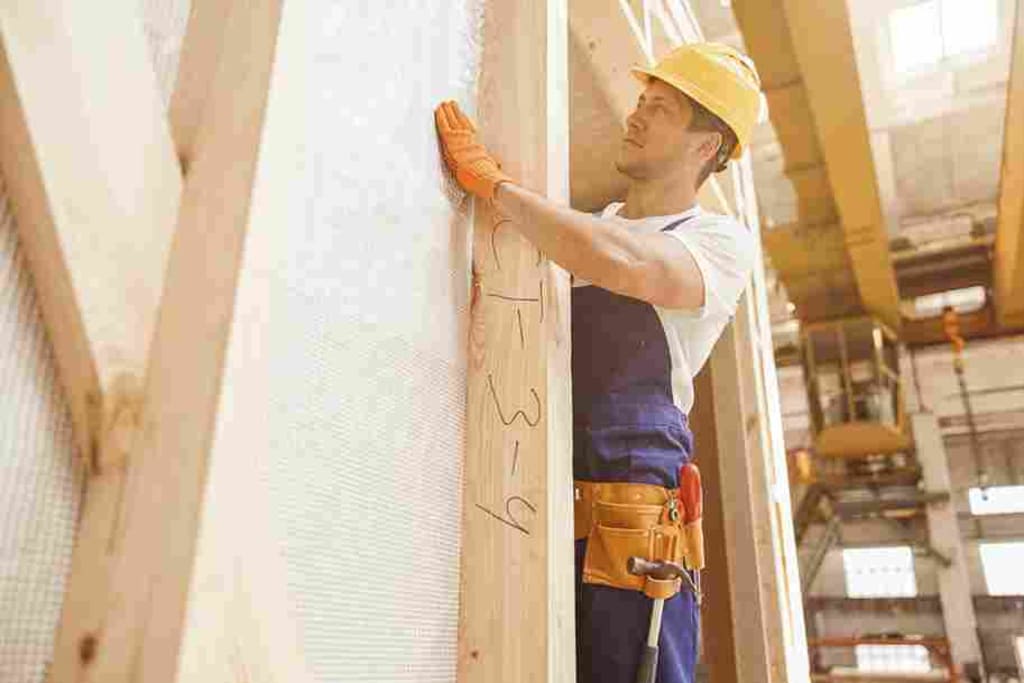
Insulating the walls of an old home is one of the most effective ways to improve energy efficiency, reduce utility bills, and increase comfort. This is especially true in Sydney, where climate conditions can fluctuate between hot summers and cooler winters. Many older homes in the city were not built with modern insulation standards, making them prone to heat loss in winter and heat gain in summer. Thankfully, there are several ways to insulate walls in old homes without requiring a full-scale renovation. Below are five practical methods for insulating walls in Sydney’s older houses to enhance energy efficiency and comfort.
1. Blown-In Insulation: A Non-Invasive Option
Blown-in insulation is one of the most popular methods for insulating walls in older homes in Sydney, especially when you don’t want to disturb the existing structure. This technique involves drilling small holes into the drywall or plaster walls and using a blower to insert loose-fill insulation materials, such as cellulose or fiberglass, into the wall cavities. The blown-in material fills the gaps and voids between the studs, improving the overall insulation without the need for major demolition.
Blown-in insulation is ideal for homes that are already built and have existing drywall. It’s a non-invasive and efficient way to enhance thermal insulation without altering the aesthetic or structure of the walls. Additionally, it helps to reduce drafts and noise, which is an added bonus for homes in Sydney’s busy suburbs where noise pollution can be an issue.
2. Spray Foam Insulation: Maximum Efficiency for Sydney’s Climate
If you’re looking for the most energy-efficient option, spray foam insulation is a great choice. This type of insulation expands when applied, filling in every crack and gap in the wall cavity. This not only improves the insulation but also acts as an air sealant, preventing heat from escaping in winter and keeping it out in summer. Spray foam insulation offers a higher R-value compared to other types of insulation, making it especially effective in homes in Sydney, where the temperatures can fluctuate drastically throughout the year.
In addition to its thermal benefits, spray foam insulation helps prevent moisture buildup and the growth of mold, which can be a common problem in older homes. As Sydney can experience periods of high humidity, this added moisture control makes spray foam an even more attractive option for insulating the walls of your home.
3. Foam Board Insulation: A Cost-Effective Solution for Renovations
For homeowners in Sydney who are already undergoing renovations or are planning to remodel their homes, foam board insulation is a practical option for insulating the walls. This rigid foam material can be applied directly to the interior side of exterior walls before installing new drywall. It helps reduce heat transfer and provides a solid barrier against outdoor temperature extremes.
Foam board insulation is cost-effective and relatively easy to install, making it an ideal choice for DIY enthusiasts or those looking to update their homes without significant disruptions. In addition to its thermal properties, foam board insulation also provides soundproofing benefits, which is particularly useful for homes in busy urban areas like Sydney’s inner suburbs.
4. Fiberglass Batt or Roll Insulation: Traditional and Affordable
Fiberglass batt or roll insulation is a traditional method for insulating walls that remains popular due to its affordability and effectiveness. This insulation is installed between the wall studs in the cavities, providing a thermal barrier that helps regulate the indoor temperature. In older homes in Sydney, fiberglass batt insulation is commonly used during major renovations or when the walls are opened up for electrical or plumbing work.
While fiberglass batt insulation may not offer the same high R-values as spray foam or blown-in insulation, it still provides significant benefits in terms of heat retention and noise reduction. It is also easy to handle and install, making it a good option for DIY projects. However, it’s important to ensure that the insulation is properly sealed to avoid gaps that could reduce its effectiveness.
5. Exterior Wall Insulation: A More Extensive Approach
For homeowners in Sydney who want a more comprehensive approach to insulation, adding exterior wall insulation can make a significant difference. This method involves installing insulation on the outside of the home, typically under the siding or through exterior wall foam panels. By insulating the exterior of the house, you can minimize the impact of thermal bridging, where heat escapes through studs and framing.
Exterior insulation is a more extensive project compared to other methods, as it requires removing and replacing the siding or cladding on the home. However, it provides long-term benefits in terms of energy efficiency, reducing heat loss during winter and heat gain during summer. It also improves the overall comfort of the home by maintaining more consistent indoor temperatures.
Conclusion
Incorporating effective insulation into the walls of old homes in Sydney is an essential step for improving energy efficiency, comfort, and sustainability. Whether you choose blown-in insulation, spray foam, foam board, fiberglass batt, or exterior insulation, each method offers distinct benefits for different types of homes. Considering Sydney's fluctuating climate, these insulation options can help homeowners maintain a consistent and comfortable temperature, while also lowering energy consumption and utility costs.
Before deciding on the best insulation method, it’s important to assess the condition of your home, your budget, and your long-term goals. Consulting with a professional insulation contractor in Sydney can help you determine the most suitable approach for your property, ensuring your home is energy-efficient and comfortable for years to come.
About the Creator
Keep reading
More stories from sallem seo and writers in Writers and other communities.
Moving Large Furniture and Appliances
Moving to a new home or rearranging your current space in Sharjah can be an exciting journey, but it often comes with the challenge of handling large furniture and heavy appliances. Without proper planning and techniques, this task can quickly become overwhelming. To make your move smoother and safer, here are five essential tips for moving large furniture and appliances in Sharjah.
By sallem seoabout a year ago in Writers
How NLP Improves Accuracy in Medical Billing and Coding
Introduction: Why Medical Billing Accuracy Is Still a Problem Medical billing and coding errors remain one of the most persistent—and expensive problems in healthcare operations. Denials, delayed reimbursements, compliance audits, and revenue leakage often trace back to one root cause: language complexity in clinical documentation.
By Lilly Scott7 days ago in Writers




Comments
There are no comments for this story
Be the first to respond and start the conversation.