
How to Choose the Right Sanitary Pad for Your Flow: A Complete Guide
Materials Matter: Choosing Skin-Friendly and Eco-Friendly Pads
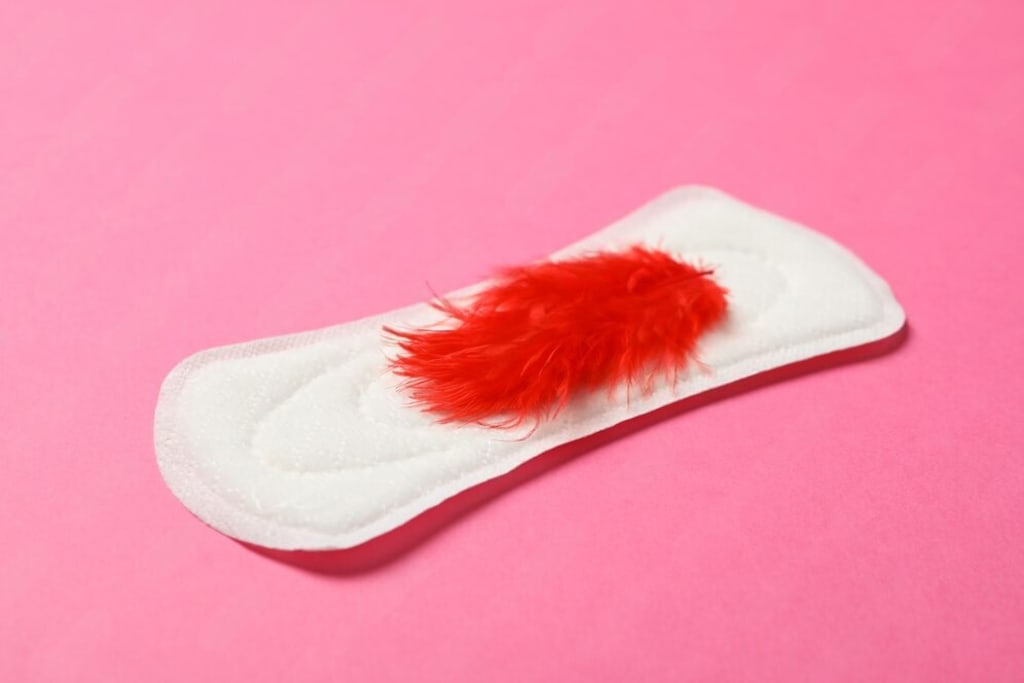
When it comes to menstruation, choosing the right sanitary pad is crucial for comfort, protection, and confidence. Everyone has unique needs during their period, and selecting the right pad can make all the difference.
This complete guide will help you understand how to choose the right sanitary pad for your flow based on absorbency levels, types, and personal preferences.
Understanding Your Menstrual Flow: The First Step
Understanding your menstrual flow is the foundation of effective period care. Your flow can vary in heaviness and duration from cycle to cycle, influenced by factors like hormones, stress, or lifestyle changes. Take note of whether your flow is light, moderate, or heavy on different days to plan better for your needs.
Recognizing patterns in your cycle helps you choose the right products and avoid leaks or discomfort. Awareness of your flow is empowering, and it’s the first step to feeling in control during your period.
Different Types of Sanitary Pads and Their Uses
Sanitary pads come in various designs to cater to different needs. Day pads are generally lighter and shorter, while night pads offer more extended absorbency for overnight protection. Pantyliners are perfect for light spotting or the last days of your period.
Maternity pads are tailored for postpartum bleeding, providing maximum coverage and comfort. Each pad type serves a specific purpose, ensuring you’re equipped for any situation.
How Absorbency Levels Affect Pad Selection
The absorbency level of natural sanitary pads directly impacts their effectiveness. Pads designed for heavy flow are thicker and can hold more liquid, while those for light flow are thinner and more discreet. Choosing the right absorbency ensures you stay comfortable and protected throughout the day.
A pad that’s too absorbent for a light flow might feel bulky, while an inadequate one for a heavy flow could lead to leaks. Matching the absorbency level to your needs helps balance comfort and functionality.
Factors to Consider When Choosing the Right Sanitary Pad
When selecting a pad, consider factors like flow intensity, lifestyle, and activity level. If you have a heavy flow, opt for high-absorbency pads; thinner pads work better for lighter days. Material matters, too. Choose pads with breathable, soft layers if you have sensitive skin.
Additionally, the pad’s length and wings can enhance comfort and prevent leaks during movement. Assessing these factors ensures that you pick the best pad for your needs.
How to Match Your Flow with the Perfect Pad
Matching your flow to the perfect pad involves observing your cycle and preparing for changes. Heavy flow days may call for super absorbent pads, while lighter days are more suited for panty liners.
Carrying a mix of pads with varying absorbency levels ensures you’re ready for any scenario. Adjusting your pad choice as your flow changes throughout your period maximizes comfort and minimizes leaks. The key to well-being lies in staying proactive and paying close attention to your body’s cues.
Tips for Extra Comfort During Your Period
Staying comfortable during your period goes beyond just picking the correct pad. Wear breathable, loose-fitting clothing to reduce irritation and allow airflow. Changing your pad every 4–6 hours helps maintain hygiene and prevent odors.
Use warm compresses or over-the-counter pain relievers to manage cramps. Staying hydrated and eating balanced meals can also boost your energy levels. Minor adjustments like these can significantly affect how you feel during your period.
Choosing the Right Pad for Overnight Protection
Overnight protection pads are specially designed for long hours of use while you sleep. They are typically longer and have wider backs to prevent leaks from shifting.
Look for pads with high absorbency and anti-leak barriers for peace of mind throughout the night. Some brands even offer scented options to keep you feeling fresh. Choosing the right overnight pad ensures you wake up worry-free and ready to tackle the day.
Eco-Friendly Options for Sustainable Period Care
If you’re eco-conscious, there are plenty of sustainable options available. Reusable cloth pads are made from natural materials and can last for years with proper care. Biodegradable pads decompose quickly, reducing environmental impact.
Some brands also offer organic cotton pads, free from synthetic chemicals and plastics. By opting for eco-friendly products, you can simultaneously care for your body and the planet.
Common Mistakes to Avoid When Selecting Sanitary Pads
One common mistake is choosing pads based on price, as cheaper options may compromise comfort or absorbency. Another is sticking to one pad type throughout your period without adjusting for flow changes.
Not considering skin sensitivity can lead to rashes or irritation. Overlooking eco-friendly options can also contribute to environmental waste. Avoiding these pitfalls can help you find the best product for your needs.
How to Achieve Maximum Protection and Comfort
To achieve maximum protection, combine the right pad with proper hygiene practices. Change your pad regularly to prevent leaks and irritation. Pairing pads with menstrual cups or period underwear can provide an added layer of security.
Always carry extra pads in case of emergencies. By prioritizing comfort and taking proactive measures, you can manage your period with confidence and ease.
Conclusion
Choosing the right sanitary pad for your flow is crucial for a comfortable, leak-free period. By understanding your flow, selecting the right absorbency, and considering factors like comfort, activity level, and skin sensitivity, you can find the perfect pad to meet your needs.
Remember to experiment with different products until you find the best fit, and don't hesitate to try eco-friendly options for a sustainable choice.
About the Creator
Bhanu Mathi
I am Bhanumathi, a dedicated blogger who thrives on creating engaging, informative, and relatable content for diverse audiences.
Keep reading
More stories from writers in Writers and other communities.
What Aircraft Lavatories and Galleys Taught Me About Aviation Discipline
Before one flight, I watched ground crews and cabin staff prepare the aircraft. They checked systems, tested water supply, and verified galley equipment. It looked routine but it revealed something deeper about aviation discipline.
By Beckett Dowhan3 days ago in Writers



Comments
There are no comments for this story
Be the first to respond and start the conversation.