
How to Build a Balanced Keto Meal Plan for Maximum Energy
Creating a Well-Balanced Keto Meal Plan to Boost Your Energy Levels

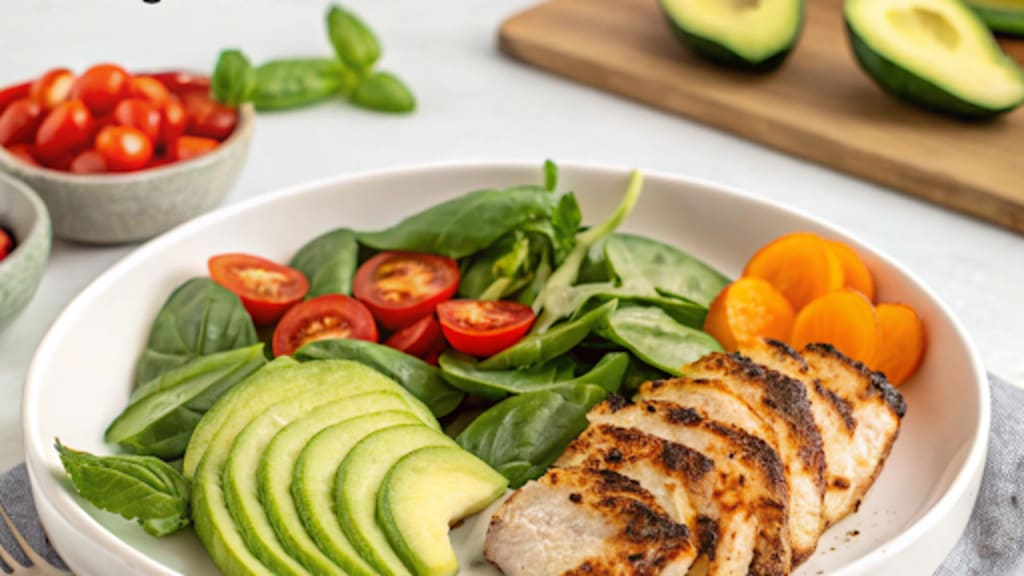
Starting a keto journey can feel overwhelming at first, but with the right meal plan, you can easily achieve your health goals while maintaining steady energy levels. The ketogenic diet focuses on a high-fat, low-carbohydrate approach, designed to shift your body’s primary fuel source from carbohydrates to fat, a process known as ketosis.
This metabolic shift enables many individuals to lose weight, improve their blood sugar levels, and increase their energy. For those new to this lifestyle, a keto meal plan for beginners is essential in ensuring balanced meals that will keep your energy high and help you stay on track.
With the right strategy, you can navigate the keto diet without feeling deprived or sluggish. A balanced meal plan is crucial for sustaining energy and maximizing the benefits of your keto journey. Here's a guide to building a keto meal plan that keeps you energized throughout the day.
Understanding the Basics of the Keto Diet
The ketogenic diet is based on the principle of drastically reducing your carbohydrate intake, so your body enters a state of ketosis, where it burns fat for energy instead of glucose. To maintain ketosis, your daily macronutrient breakdown should consist of approximately:
70-80% fat
15-25% protein
5-10% carbohydrates
This significant reduction in carbs means you'll need to focus on foods rich in healthy fats, moderate in protein, and low in carbohydrates.
The Key Principles of a Balanced Keto Meal Plan
Incorporate Healthy Fats
Healthy fats are the cornerstone of the keto diet. Fats are not only the primary source of energy on keto, but they also help you feel fuller for longer, preventing hunger and boosting overall satisfaction. Focus on nutrient-dense fats such as:
Avocados – Packed with healthy fats and fiber, avocados are a perfect addition to any keto meal.
Olive oil – A heart-healthy fat that’s great for cooking or drizzling over salads.
Coconut oil – Known for its high content of medium-chain triglycerides (MCTs), which are rapidly burned for energy.
Fatty fish – Salmon, mackerel, and sardines provide omega-3 fatty acids and protein, which are crucial for brain health.
Nuts and seeds – Almonds, walnuts, chia seeds, and flaxseeds provide a mix of fats, fiber, and protein.
Moderate Your Protein Intake
Protein is an essential macronutrient for muscle maintenance and overall health, but on keto, it should be consumed in moderation. Too much protein can prevent your body from entering ketosis because it can be converted into glucose. Choose high-quality, lean protein sources such as:
Eggs – Versatile and packed with nutrients, eggs are a keto staple.
Poultry – Chicken and turkey are excellent sources of lean protein.
Meat – Beef, lamb, and pork provide ample protein and fat.
Fish and seafood – Salmon, tuna, shrimp, and crab are ideal keto protein options.
Tofu and tempeh – Plant-based protein sources for vegetarians on keto.
Limit Carbs to Stay in Ketosis
Carbohydrates are restricted to encourage ketosis, typically to around 20-50 grams of net carbs per day. Focus on low-carb vegetables and berries that provide fiber and essential nutrients:
Non-starchy vegetables – Leafy greens like spinach, kale, and lettuce are packed with vitamins and minerals without adding many carbs.
Cruciferous vegetables – Broccoli, cauliflower, and Brussels sprouts are excellent choices for a keto-friendly diet.
Berries – Strawberries, blueberries, and raspberries can be consumed in moderation due to their lower sugar content.
Zucchini, bell peppers, and cucumbers – These vegetables are low in carbs and versatile in salads or stir-fries.
Stay Hydrated and Replenish Electrolytes
One of the challenges when starting the keto diet is dehydration and electrolyte imbalances, as the body sheds water when it enters ketosis. Make sure you drink plenty of water throughout the day to stay hydrated, and consider incorporating electrolyte-rich foods like:
Bone broth – Rich in sodium and potassium, bone broth can help replenish electrolytes.
Leafy greens – High in potassium and magnesium, these are perfect for preventing muscle cramps and fatigue.
Avocados – Not only are they high in healthy fats, but they’re also a great source of potassium.
Sample Keto Meal Plan for Maximum Energy
Here's a sample keto meal plan to help you maintain energy while sticking to the principles of the ketogenic diet:
Breakfast:
Scrambled eggs with avocado and spinach, cooked in coconut oil.
A side of chia pudding made with unsweetened almond milk and topped with a few raspberries.
Lunch:
Grilled chicken salad with mixed greens, cucumber, avocado, and olive oil dressing.
A handful of almonds as a snack.
Dinner:
Baked salmon with lemon and rosemary.
Roasted cauliflower and asparagus, drizzled with olive oil.
A side of sautéed kale with garlic and coconut oil.
Snacks:
A hard-boiled egg with a pinch of sea salt.
A handful of walnuts or macadamia nuts
A keto-friendly smoothie made with almond milk, protein powder, and a few strawberries.
Tips for Staying Energized on Keto
Meal Prep and Plan Ahead: Preparing meals in advance ensures you always have keto-friendly options available and helps you avoid the temptation of unhealthy foods. Plan your meals for the week, batch-cook, and pack them in portioned containers to make sticking to your keto meal plan easier.
Track Your Macronutrients To stay on track, use a food tracking app to monitor your macronutrient intake and ensure you're hitting your fat, protein, and carb targets. This can help you make adjustments if you’re not getting enough fats or carbs, which may affect your energy levels.
Listen to Your Body. As you adapt to the keto diet, pay attention to how your body feels. If you notice signs of low energy or fatigue, check if you’re getting enough fats and electrolytes. It can take time for your body to fully adjust to using fat for energy, so be patient.
Be Mindful of Keto Flu Symptoms. Some people experience symptoms of the "keto flu" when starting the diet, such as fatigue, headaches, and irritability. This is a regular part of the adaptation phase and can be alleviated by staying hydrated, replenishing electrolytes, and getting plenty of rest.
Conclusion
Building a balanced keto meal plan for maximum energy requires attention to your macronutrient ratios, a focus on healthy fats, and careful planning. By incorporating nutrient-dense foods, moderating your protein intake, and minimizing carbs, you can fuel your body with sustainable energy throughout the day. Be sure to stay hydrated, replenish electrolytes, and prepare your meals ahead of time to ensure success on your keto journey. With patience and consistency, you'll find that a well-structured keto meal plan can help you achieve your health and fitness goals while maintaining steady energy levels.
About the Creator
Zoey Madsion
Zoey Madison is a dedicated health expert and seasoned blogger with a passion for promoting wellness and balanced living. With years of experience in the health industry.
Keep reading
More stories from Zoey Madsion and writers in Writers and other communities.
Causes of Pain Under Your Shoulder Blade & How Physiotherapy Can Help You
Shoulder blade pain, often referred to as pain under the shoulder blade, is a common complaint among people of all ages. In Dubai, where fast-paced lifestyles, long working hours, and modern urban environments often lead to sedentary habits, this type of discomfort is becoming increasingly prevalent.
By Zoey Madsionabout a year ago in Writers
Difficulties Of Holidays On Vocal
Introduction Last week I had a wonderful week in Alnwick, but tried to keep up on Vocal, although my time was less than I normally have, plus a little more difficult because I was using a ten-year-old laptop with a faulty keyboard (the space bar does not always register, meaning I have to keep going back to separate words).
By Mike Singleton 💜 Mikeydred 6 days ago in Writers




Comments
There are no comments for this story
Be the first to respond and start the conversation.