
How Metal Recycling Helps Save Natural Resources
Metal Recycling Helps Save Natural Resources
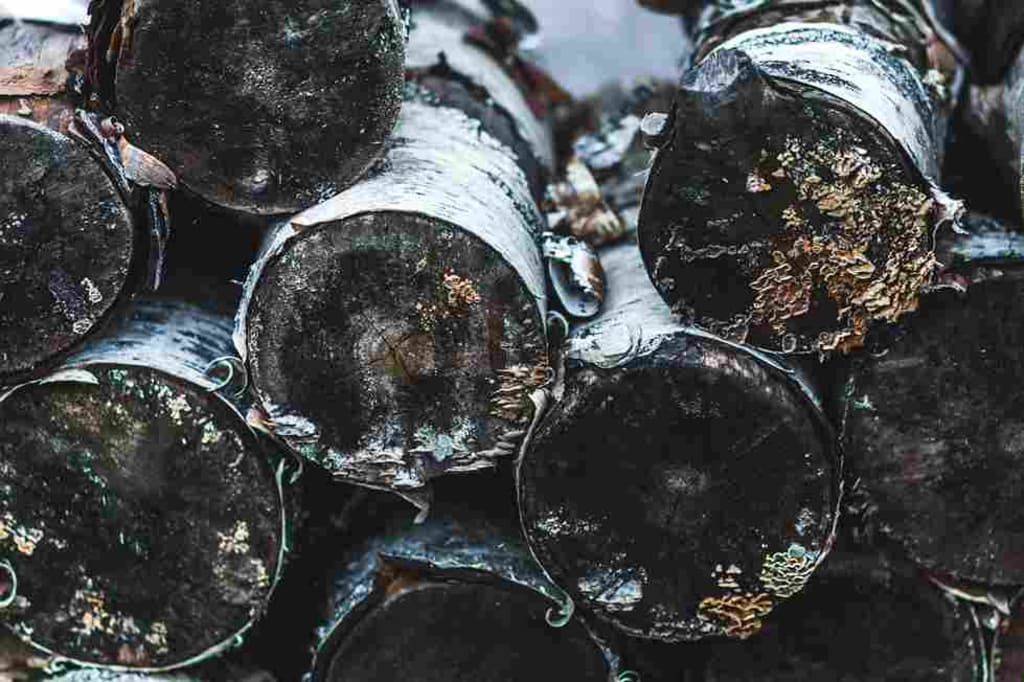
Metal recycling is a critical part of Australia’s commitment to sustainability, especially in cities like Melbourne, where urbanization, manufacturing, and waste management are growing concerns. As the demand for natural resources continues to rise, metal recycling offers a practical and effective solution to conserve precious materials, reduce environmental impact, and support a sustainable future. This article explores how metal recycling helps save natural resources in Melbourne, emphasizing five key benefits.
1. Reduces the Need for Mining in Melbourne
Melbourne, as one of Australia’s largest metropolitan areas, relies on a constant supply of raw materials for construction, manufacturing, and other industries. Mining for metals such as copper, iron, and aluminum can be highly detrimental to the environment, causing deforestation, water pollution, and habitat destruction.
By recycling metal, Melbourne helps to reduce the demand for mining. Recycling diverts metal from landfills, meaning fewer raw materials need to be extracted from the earth. This helps preserve natural habitats and reduces the negative environmental impacts associated with mining, such as soil erosion and loss of biodiversity.
Recycling metal in Melbourne also supports a circular economy, where valuable materials are reused rather than extracted anew. This system not only conserves resources but also ensures a sustainable supply of metals for various industries.
2. Conserves Energy and Cuts Emissions
One of the most significant advantages of metal recycling is its energy efficiency. Producing new metals from raw materials is an energy-intensive process. For example, manufacturing aluminum from bauxite requires large amounts of electricity and fossil fuels, contributing significantly to greenhouse gas emissions.
In contrast, recycling metals requires far less energy. Recycling aluminum uses up to 95% less energy than creating new aluminum from raw ore, while recycling steel and copper also requires less energy than extracting new materials. By recycling metal, Melbourne reduces its energy consumption, helping to conserve fossil fuels and lower carbon emissions.
This energy-saving effect also contributes to the city’s efforts to meet its sustainability goals and reduce its carbon footprint. By recycling metal instead of extracting it from the earth, Melbourne residents and businesses can play a direct role in combating climate change.
3. Minimizes Water Usage
In addition to energy, metal extraction processes, including mining and refining, use vast amounts of water. For example, extracting and processing copper requires millions of liters of water per ton of metal, leading to water scarcity and contamination of local water sources. This is a particular concern in areas where water resources are limited, such as parts of Australia.
Metal recycling significantly reduces the need for water in the manufacturing process. By reusing metals that have already been processed, there’s a substantial reduction in water consumption associated with new metal production. In Melbourne, where water conservation is a growing concern due to occasional droughts, this reduction in water use can have a significant positive impact on local resources.
By embracing metal recycling, Melbourne contributes to better water management, ensuring that this vital resource is preserved for future generations while reducing the environmental footprint of manufacturing processes.
4. Prevents Landfill Overflow
Melbourne, like many other cities, faces a growing waste management challenge. With an increasing population and higher rates of consumption, landfills are rapidly filling up, causing issues with waste disposal and environmental pollution. A significant portion of waste in landfills comes from metal products, which can take hundreds of years to decompose.
Recycling metal helps divert large quantities of waste from landfills. Instead of letting metals sit in landfills, recycling programs allow these materials to be reused, reducing the overall volume of waste sent to landfill. This has several benefits, including reducing the need for new landfill sites, lowering the environmental pollution caused by landfill gases, and improving waste management systems in Melbourne.
In addition, recycling metals like aluminum, steel, and copper helps reduce the environmental risks associated with landfill leachate (the toxic liquid that forms when waste breaks down), which can contaminate local soil and groundwater.
By recycling metal, Melbourne is not only conserving resources but also working towards creating a cleaner, healthier environment for its residents.
5. Supports Sustainable Manufacturing in Melbourne
Sustainable manufacturing is becoming increasingly important as the world shifts toward a greener economy. In Melbourne, the manufacturing sector plays a key role in the city’s economy, producing everything from construction materials to automobiles. By using recycled metals in the manufacturing process, Melbourne supports sustainable production methods that minimize the consumption of virgin resources and reduce environmental impacts.
Using recycled metals, such as steel and aluminum, helps reduce the need for virgin materials and lowers the environmental cost of production. The use of recycled metals is not just more energy-efficient, but it also reduces emissions associated with material extraction and processing. This allows manufacturers in Melbourne to operate more sustainably while still meeting the demand for metal products.
Furthermore, sustainable manufacturing practices can create a positive feedback loop, encouraging further investment in recycling infrastructure and the development of green technologies. By focusing on recycling, Melbourne can help ensure that its industries remain competitive and environmentally responsible in the global market.
Conclusion
Metal recycling in Melbourne is a win-win solution for the environment, the economy, and the community. By reducing the need for mining, conserving energy, minimizing water use, preventing landfill overflow, and supporting sustainable manufacturing, recycling helps save valuable natural resources and protects the planet. Whether you are a business owner, a manufacturer, or a resident, embracing metal recycling is a vital step toward a more sustainable and resource-efficient future in Melbourne, Australia.
About the Creator
Keep reading
More stories from sallem seo and writers in Writers and other communities.
How to Insulate Walls in Old Homes
Insulating the walls of an old home is one of the most effective ways to improve energy efficiency, reduce utility bills, and increase comfort. This is especially true in Sydney, where climate conditions can fluctuate between hot summers and cooler winters. Many older homes in the city were not built with modern insulation standards, making them prone to heat loss in winter and heat gain in summer. Thankfully, there are several ways to insulate walls in old homes without requiring a full-scale renovation. Below are five practical methods for insulating walls in Sydney’s older houses to enhance energy efficiency and comfort.
By sallem seoabout a year ago in Writers
Average Cost of 2D Animation Outsourcing Projects
Outsourcing 2D animation allows businesses to create explainer videos, ads, onboarding content, and product demos without building an in-house team. In the US market, pricing varies based on animation style, complexity, and production scope.
By Leo Johnson6 days ago in Writers


Comments
There are no comments for this story
Be the first to respond and start the conversation.