
How Long Do Robot Vacuums Last? A Complete Guide
Wondering how long robot vacuums last? Learn average lifespan, factors that affect durability, and tips to extend their life in this 2025 guide.

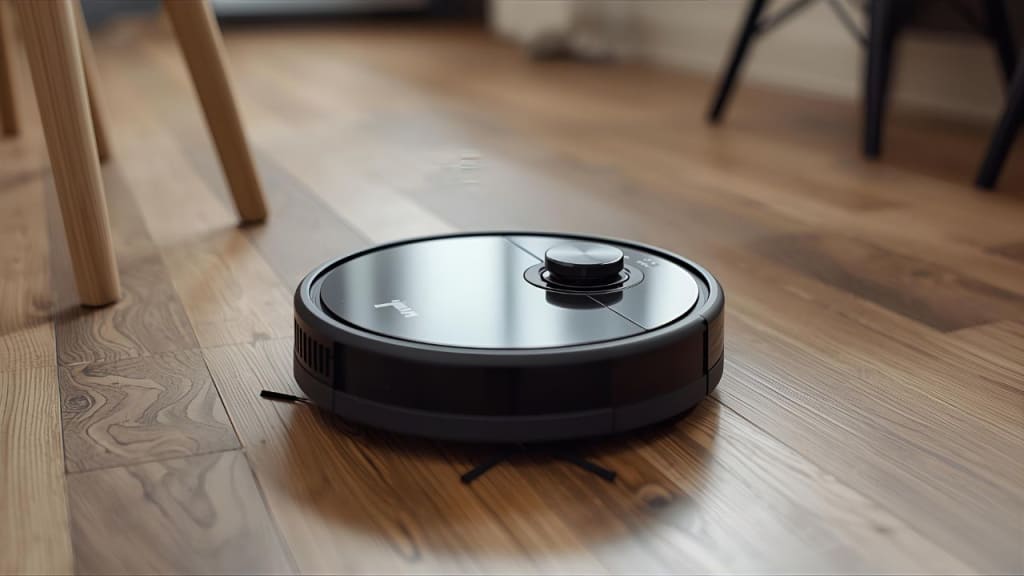
Robot vacuums are no longer a futuristic luxury. They have quietly become an everyday tool in households worldwide, saving time, reducing effort, and keeping floors spotless with minimal intervention. From compact apartments to pet-filled family homes, these automated helpers have transformed the way people approach cleaning. But as with any appliance, one question lingers: how long do robot vacuums really last?
Understanding the lifespan of a robot vacuum is not just about predicting when it might fail; it’s about knowing how to maintain it, when to repair versus replace it, and how to maximize your investment. Many buyers wonder if these devices are built to last only a couple of years before they’re obsolete or whether the right model could serve faithfully for nearly a decade. In this guide, we’ll explore average lifespans, the factors that influence them, the telltale signs of wear, and the steps you can take to extend longevity. And for readers considering purchasing one now, we recommend checking reliable resources like The Best Robot Vacuums and Best Robot Vacuums for Pet Hair to discover durable models worth investing in.
Average Lifespan of Robot Vacuums
On average, a robot vacuum lasts between three to six years, but the real answer is more nuanced. The lower end of that range is often associated with budget-friendly models that rely on basic sensors, modest suction power, and less durable components. These machines are functional but tend to wear out quickly if used daily, especially in homes with pets or heavy debris. On the higher end, premium brands such as iRobot Roomba, Roborock, and Ecovacs have been known to run for five, six, or even seven years when properly maintained.
The key factor in lifespan is not just the brand name but also the build quality and serviceability. A robot vacuum with a replaceable battery, easily available spare parts, and continued software support is far more likely to live a long and productive life than a sealed, non-serviceable alternative. For instance, iRobot models are often praised for their longevity, partly because replacement brushes, filters, wheels, and batteries are easy to purchase. Compare that to some budget models where once the battery degrades or the sensors fail, it’s almost cheaper to buy a new unit than to attempt repairs.
Another aspect of lifespan is technological relevance. Even if your vacuum still functions after six years, software updates and app support may eventually be discontinued. This doesn’t necessarily stop the device from cleaning, but it might mean losing access to features like smart mapping or app-based scheduling. Thus, while a robot vacuum may physically endure for several years, its practical usability sometimes hinges on whether the brand continues to support older models.
Factors That Influence How Long Robot Vacuums Last
Build Quality and Brand Reputation
The construction of a robot vacuum plays the largest role in determining its lifespan. Premium devices use durable materials, stronger motors, and more advanced sensors. Brands like iRobot and Roborock engineer their machines with serviceability in mind, allowing users to easily replace brushes, filters, batteries, and even wheels. In contrast, many low-cost models are built with sealed systems where replacing a dead battery or failed sensor is impractical or impossible.
Battery Health and Charging Cycles
The battery is often the first component to show signs of wear. Most robot vacuums run on lithium-ion batteries, which are durable but not immune to decline. Over hundreds of charging cycles, capacity decreases, leading to shorter runtimes. A vacuum that once cleaned for two hours may only manage 45 minutes after three years.
The good news is that many reputable brands allow battery replacements. Replacing an old battery can breathe years of new life into the machine. However, with cheaper models, the cost of replacing a battery may approach the price of buying a new vacuum.
Usage habits also matter. Leaving your vacuum constantly on the dock fully charged may degrade the battery faster than allowing occasional discharges. Likewise, running the vacuum daily in a large, carpeted space will wear down the battery more quickly than using it twice a week in a small apartment.
Usage Frequency and Environment
Robot vacuums in pet-friendly homes face tougher conditions. Pet hair can tangle brushes, clog filters, and put added strain on motors. Dust-heavy or carpeted environments also wear down components faster. In contrast, homes with hard flooring and minimal debris provide a gentler setting, often extending the machine’s life.
Daily use doesn’t necessarily mean your vacuum will wear out faster—it is designed for frequent cleaning. But neglecting maintenance in heavy-use environments accelerates wear significantly.
Maintenance and Care
This is perhaps the single most important factor under your control. Owners who treat their robot vacuums as maintenance-free gadgets often see them fail within three years. In reality, these machines need consistent care.
Cleaning brushes and rollers weekly, wiping sensors, and emptying dustbins keep the vacuum running smoothly. Filters should be replaced every three to six months, depending on usage, and brushes every six to twelve months. Ignoring these tasks leads to clogged systems, overheating motors, and navigation failures. In short, routine care can add years to your robot vacuum’s lifespan.
Software Support and Updates
In today’s connected world, software support plays a surprising role in longevity. Many robot vacuums rely on apps for scheduling, mapping, and integration with smart-home devices. Brands that provide long-term firmware updates ensure older models remain functional and compatible with evolving technologies.
iRobot, for instance, is known for years of software support, while some budget brands may abandon updates after two or three years. When updates stop, the vacuum still works, but you may lose access to features or encounter app compatibility issues.
Signs Your Robot Vacuum Is Wearing Out
Even the most durable robot vacuum eventually shows signs of age. One of the earliest indicators is shorter battery runtime. If your vacuum can no longer complete a cleaning cycle without recharging, it may be time for a new battery or, in some cases, a new machine.
A decline in suction power is another common symptom. Clogged filters and worn brushes can often explain poor performance, but if cleaning remains subpar even after replacing parts, the motor may be weakening.
Navigation issues also increase with age. Older sensors can misread obstacles, causing the vacuum to bump into furniture or get stuck more frequently. Strange noises—grinding, squealing, or clicking—often signal worn bearings, failing wheels, or damaged brushes. Finally, frequent error messages or system failures may indicate deeper electronic issues that aren’t worth repairing.
How to Extend the Life of Your Robot Vacuum
Extending your vacuum’s lifespan comes down to consistent care. Cleaning rollers, wheels, and sensors prevents buildup that strains motors and navigation systems. Replacing filters and brushes on schedule keeps airflow strong and prevents overheating. If your model supports battery replacement, doing so every few years can nearly double the device’s usable life.
Storing your vacuum properly also matters. Keeping it in a cool, dry location, away from moisture or extreme temperatures, protects sensitive electronics and batteries. Updating the software when available ensures continued performance and feature access.
Think of your robot vacuum not as a “set and forget” gadget but as a long-term investment. A few minutes of maintenance each week can add years of value.
When to Repair and When to Replace
Deciding whether to repair or replace depends on cost and availability of parts. If your robot vacuum simply needs a new brush or filter, replacement is affordable and worthwhile. Even swapping in a new battery can be cost-effective if the model still performs well.
However, if the main motor, navigation system, or motherboard fails, repairs often cost nearly as much as a new vacuum. At that point, it may be wiser to upgrade. Warranty coverage also matters—many premium brands offer one- or two-year warranties, and some even provide extended protection plans. If your vacuum fails within that period, a repair or replacement is usually covered.
Brand Longevity Comparison
Different brands have reputations for durability. iRobot Roomba vacuums are widely regarded as the most long-lasting, often serving seven years or more with proper care. Roborock and Ecovacs also deliver strong performance, typically lasting four to six years. Shark and Eufy models average around three to five years, depending on use.
When choosing a vacuum, it’s wise to balance upfront cost with potential lifespan. A cheaper model may save money today but could require replacement in three years, while a premium unit might last twice as long with proper maintenance.
For buyers exploring durable options, the curated list at The Best Picker’s guide to the best robot vacuums highlights models praised for longevity. And if pets are a concern, their best vacuums for pet hair guide offers insight into machines designed to withstand heavy use.
iRobot Roomba
- Average Lifespan: 5–7+ years
- Strengths: Exceptional build quality, reliable navigation, long-term software updates, easy access to replacement parts.
- Limitations: Higher upfront cost compared to competitors.
- Best For: Users who want maximum durability, heavy usage homes, and pet owners.
Roborock
- Average Lifespan: 4–6 years
- Strengths: Powerful suction, advanced navigation, strong value for price, stylish design.
- Limitations: Parts and accessories sometimes less available than iRobot.
- Best For: Tech-savvy buyers who want advanced performance without the premium iRobot price tag.
Ecovacs
- Average Lifespan: 4–6 years
- Strengths: Feature-rich (AI mapping, vacuum + mop combo), competitive mid-range pricing.
- Limitations: Occasional software glitches, replacement parts vary by region.
- Best For: Families wanting a versatile robot with smart features at a fair price.
Shark
- Average Lifespan: 3–5 years
- Strengths: Affordable, user-friendly, strong suction for carpets.
- Limitations: Shorter software support, fewer serviceable components.
- Best For: Budget-conscious households looking for straightforward functionality.
Eufy
- Average Lifespan: 3–5 years
- Strengths: Compact and slim design, quiet operation, excellent for tight spaces.
- Limitations: Less powerful suction, limited app features, shorter long-term support.
- Best For: Small apartments, light cleaning needs, first-time robot vacuum buyers.
Get the full review and buying link: Best Robot Vacuums
Conclusion
So, how long do robot vacuums last? The answer lies in the balance between quality, care, and expectations. On average, you can expect three to six years of service, with premium models stretching further when maintained properly. Factors like build quality, battery health, environment, and software support all play vital roles in determining longevity.
If you want a robot vacuum that lasts, invest in a reputable brand, commit to regular maintenance, and don’t hesitate to replace parts as needed. And when the time comes to upgrade, explore guides like The Best Robot Vacuums and Best Vacuums for Pet Hair to make a smart, long-term choice.
Robot vacuums are more than cleaning gadgets—they are household companions that, with the right care, can serve faithfully for years.
FAQs
Do robot vacuum batteries need replacing?
Yes. Most lithium-ion batteries last two to three years. Replacing them can significantly extend the machine’s life.
How often should filters and brushes be replaced?
Filters typically last three to six months, while brushes and rollers last six to twelve months depending on use.
Is it worth repairing an old robot vacuum?
If the repair involves small parts like brushes or batteries, yes. If the motor or motherboard fails, replacement is often more practical.
Can a robot vacuum last ten years?
It’s rare, but possible with high-end models, diligent maintenance, and part replacement. However, software support may not last that long.
You May Also Like:
About the Creator
Jennifer Wilson
Trendy tech research and digital content creator.
Keep reading
More stories from Jennifer Wilson and writers in Writers and other communities.
How Much Is a Rolex Watch | The Price of Timeless Elegance
Rolex is known around the world as a symbol of luxury and success. When you see a Rolex watch, it often means style, quality, and status. But how much is a Rolex watch? The truth is, prices can range a lot depending on the model and materials.
By Jennifer Wilson8 months ago in Journal
Early March 2026: 4 Goals Accomplished
It's early March and I've now accomplished my 4th writing goal for the year of 2026. Before diving into the behind-the-scenes of it... why not tell you up front what that accomplishment was? I was published in a 2nd publication for this year. Published in Helix Literary Magazine out of Central Connecticut State University. You can read it for free right now!
By Stephen Kramer Avitabile4 days ago in Writers
Understanding Epoxy Flooring in Salt Lake City Homes and Businesses
Flooring plays a central role in how a space functions and feels. In recent years, epoxy flooring has become increasingly common in residential and commercial properties throughout Salt Lake City. Known for its durability and clean appearance, epoxy is often chosen for areas that require both strength and visual appeal.
By Abbasi Publisher7 days ago in Writers




Comments
There are no comments for this story
Be the first to respond and start the conversation.