
How Early Socialisation Impacts Later Learning
Discover how early friendships, play, and connection lay the foundation for lifelong learning success.

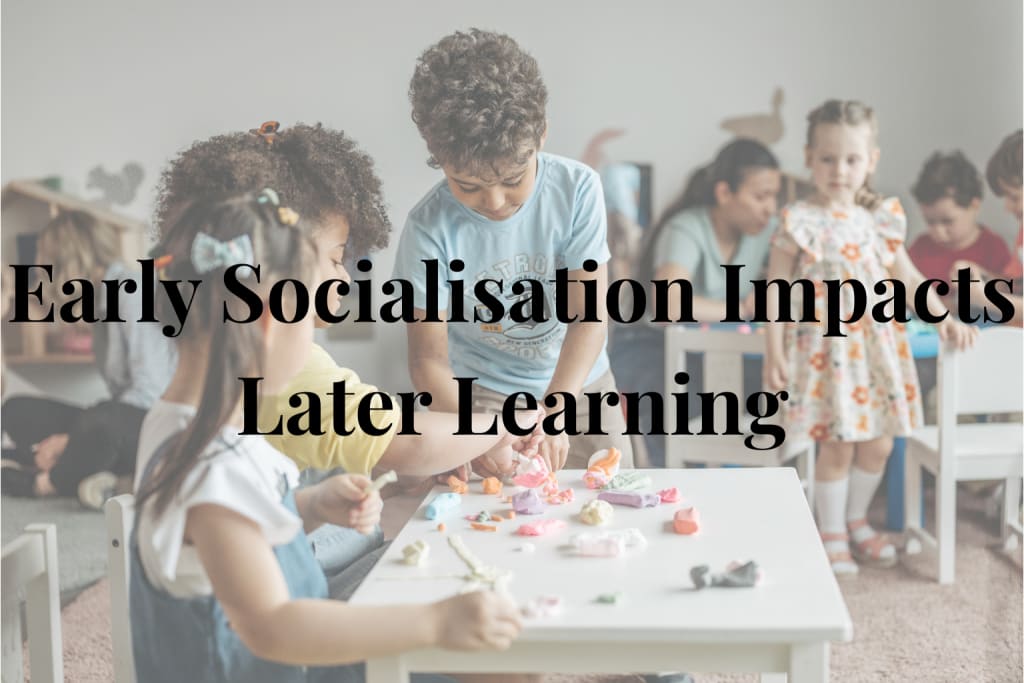
To most parents, the world of early childhood education could be uncharted territory. You might wonder—what does it do at an early learning centre anyway? Is it just babysitting with blocks? The reality is, it's a lot more than that. The early years, and especially birth to five years of age, are a critical phase in a child's life when their brain is developing at a fast pace. During this time, children are building the foundations upon which they will base their thinking, behaviour, emotions, and relationships for years to come.
Early learning is the concerted, intentional attempt to nurture those foundations. It includes everything from discovering how to communicate emotions, to problem-solving using play, to motor function and language skills. And at the heart of early learning is something that most parents don't consider immediately—socialisation.
In a high-quality early learning centre in Dural, children aren't merely cared for—they are also exposed to social contexts that teach them how to relate, cooperate, and succeed in group environments. This blog discusses how those early social experiences influence a child's learning and development in the long term.
Why Socialisation is Important in Early Childhood
Socialisation is how kids learn to get along with other people, understand social norms, manage feelings, and make relationships. Within a structured early learning environment like a day care centre or childcare centre, socialisation happens naturally through routines of each day, group activities, and experiences initiated by educators.
Children begin to learn social cues even before they can speak. They watch facial expressions, pay attention to tone of voice, and engage in back-and-forth games. These early interactions teach them essential life skills like empathy, patience, communication, and emotional regulation.
Long-Term Impact of Early Socialisation:
- Better communication skills
- Better emotional intelligence
- Better self-control and regulation
- Sense of empathy and respect
- Preparedness for school settings and structured environments
Well-socialised children from an early age transition more smoothly to formal school and are more robust in group learning settings.
How Social Skills Are Developed at an Early Learning Centre in Dural
Good quality early learning centres don't just babysit children—they actually create environments in which social development is encouraged and supported.
In a well-structured childcare centre, children are guided through:
1. Group Activities
Story time, music classes, and group art projects teach turn-taking, listening, and cooperation.
2. Free Play
Unstructured play enables children to negotiate roles, resolve conflicts, and form friendships naturally.
3. Guided Social Coaching
Teachers step in to help children resolve conflicts, recognize their feelings, and use respectful communication.
4. Role Modelling
Teachers model respectful language, empathy, and problem-solving that children imitate and internalise.
These practices aren't just about "behaving well"—they're the foundation of lifelong skills like negotiation, leadership, and resilience.
Outdoor Play: A Natural Social Classroom
Outdoor play is one of the very best ways of fostering social development in young children—and it's easily neglected. At a good day care centre in Dural, outdoor time is never a break from learning—it's learning.
Children naturally:
- Collaborate to build with natural materials
- Take turns at swings and climbing equipment
- Initiate group games, with allocated roles and rules
- Foster problem-solving within communal areas
Benefits of Outdoor Play on Social Skills:
- Encourages teamwork and cooperation
- Teaches compromise and negotiation
- Reduces stress and improves mood, which makes social interaction easier
- Develops leadership and following skills
- Allows inclusive play among various personalities
Children also learn to manage small risks—like climbing, balancing, or deciding when to jump—which, in turn, builds confidence, independence, and peer trust.
At a well-equipped early learning centre in Dural, outdoor playgrounds are multi-functional: incorporating gross motor challenges, sensory zones, and group play opportunities.
Socialisation and Brain Development
It's not solely about behaviour—socialisation has a direct connection to brain development. Neuroscience illustrates that positive social interactions during early childhood stimulate those areas of the brain responsible for:
- Language development
- Memory and attention
- Emotion regulation
- Cognitive flexibility
As a child participates in shared activities like singing a song with a group or resolving a conflict with the help of an educator, neural pathways are being formed and strengthened. These pathways will determine how a child will learn and relate to others in the future.
A childcare centre that is mindful of this science provides the right mix of structured social activity and free interaction time, all within a safe, nurturing environment.
How Teachers Support Healthy Social Development
The role of teachers in a child's social development cannot be overstated. In a quality early learning centre, trained professionals aren't just minding your child—they're actively guiding their development on a daily basis.
Teachers support socialisation by:
- Modelling target behaviour in the moment
- Creating safe spaces to feel emotions
- Nurturing friendships through positive feedback
- Intervening gently when conflicts arise, turning them into learning opportunities
When children feel seen, heard, and valued by adults in their world, they're more willing to reach out to others and take social risks—like introducing themselves, joining a play group, or expressing how they feel.
The Link Between Social Confidence and Academic Success
There's a direct relationship between social-emotional development and later academic success. Children who can manage their feelings, listen attentively, and work together in groups are more likely to learn.
Early childhood socialisation enables:
- Concentration and attention to structured activities
- Questioning and participation confidence
- Adaptability in changing routines or learning activities
- Reduced classroom behaviour difficulties
In brief, children who are socially confident are more inclined to be persevering, motivated, and inquiring learners—attributes that set them up for long-term success.
What Parents Can Do to Encourage Social Development in the Home
Parents play a vital role in augmenting the social skills that your child has learned at the childcare centre. Here is how you can augment development at home:
- Organize open-ended playdates with familiar children
- Model considerate communication and active listening
- Read books about feelings, friendship, and cooperation
- Talk about social experiences your child had during the day
- Praise efforts to share, take turns, and express feelings respectfully
- When home and school environments are aligned, children feel safe, confident, and in control.
Conclusion:
Early socialisation is not simply a question of learning to share toys or to say please and thank you. It is learning the foundation skills children need to succeed—not just at school, but in life.
In a friendly, well-structured early learning centre in Dural, children learn to form friendships, manage emotions, solve conflicts, and communicate effectively. These early experiences shape how they learn, behave, and think about themselves in relation to others.
Play outside, guided group activities, and intentional teaching come together to form strong social skills. And with the guidance of trained educators, children grow into compassionate, curious, and capable learners.
About the Creator
Wiggles and Giggles | Dural
Wiggles and Giggles Child Care Centre in Dural offers exceptional childcare services for children aged 6 weeks to 6 years.
Keep reading
More stories from Wiggles and Giggles | Dural and writers in Writers and other communities.
Understanding the EYLF: What Parents Should Know About Early Learning
For many Australian parents, the world of early learning is unfamiliar territory—filled with frameworks, acronyms, and philosophies that can be a little overwhelming at first. If you’ve recently begun researching childcare options or are considering enrolling your child in a day care centre or early learning centre in Dural, you’ve likely come across the term EYLF.
By Wiggles and Giggles | Dural6 months ago in Writers
How to Hire a Virtual Assistant for Personal Organisation and Scheduling
If your calendar feels like a battlefield back-to-back meetings, personal errands, rescheduling, missed reminders you’re not alone. In 2025–2026, more professionals and founders are hiring a virtual assistant (VA) not for “extra help,” but to build a system that keeps life and work running smoothly.
By Michael Coplin4 days ago in Writers
Miss Persephone's Manual to a Seemingly Ordinary Life
Miss Persephone was found at the dining table, her blue eyes swollen, her tears arriving and retreating like the tides of the ocean. Earlier that day, her family had visited her in the retirement home where she had lived for eight years. It was her eightieth birthday.
By Imola Tóth2 days ago in Fiction




Comments
There are no comments for this story
Be the first to respond and start the conversation.