
How Creators Are Using AI to Build Short Drama and Storytelling Videos
How to Create Short Drama

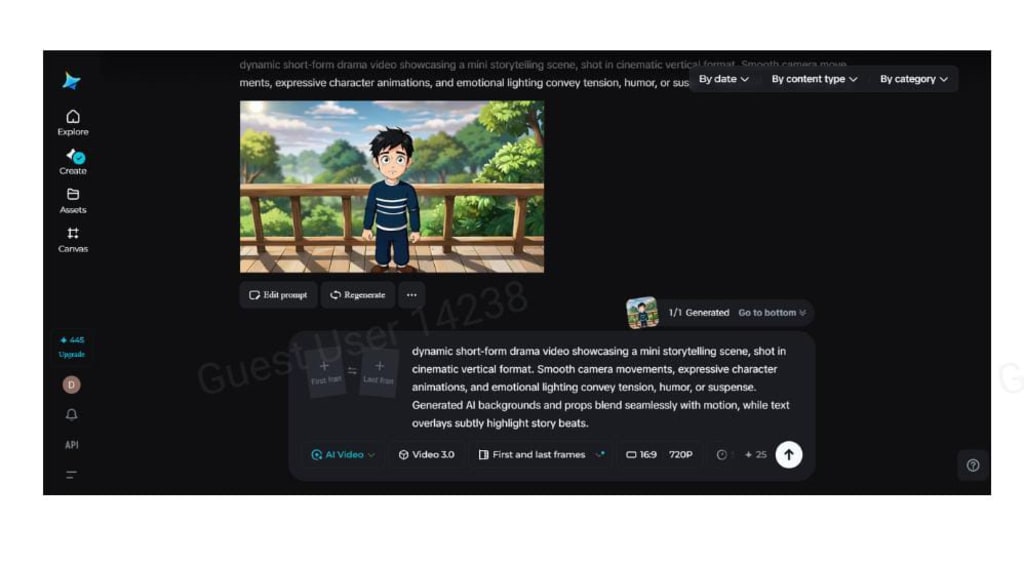
Short drama has quietly become one of the most engaging formats in digital storytelling. Vertical mini-series, experimental narratives, and brand-supported story projects continue to appear across social platforms, proving that strong storytelling does not require long runtimes. What it does require is clarity of vision and a way to translate ideas into moving scenes.
For many creators, the challenge is not imagination but execution. Turning concepts into visual narratives often means juggling illustration tools, editing software, and reference materials. New AI workflows are beginning to simplify that process by allowing creators to move from visual concept to motion within a single environment.
This article explores how AI-assisted image and video generation can support short-form storytelling, with a focus on how creators approach visuals, motion, and narrative continuity using models such as Seedream 5.0 AI Image Generator and Seedance 2.0AI Video Generator.
Why Short Drama Depends on Visual Foundations
Every short drama begins with an image. A character’s expression, the atmosphere of a setting, or the color palette of a scene often communicates more than dialogue ever could. Before motion enters the frame, viewers connect with still visuals that establish tone and emotional direction.
For this reason, effective AI storytelling rarely starts with video alone. A stronger approach builds a visual foundation first, then extends it into motion. This image-to-video progression is particularly important in short drama, where creators rely on:
- Consistent visual identity across scenes
- Characters that remain recognizable from frame to frame
- Emotional cues that register instantly
- Cinematic pacing within very limited runtime
AI models designed with continuity in mind are better suited to these storytelling demands.
Building Story Worlds with Images Before Motion
Before generating moving scenes, creators need a shared visual language. This is where image generation plays a central role in shaping narrative consistency.
Using Seedream 5.0 AI Image Generator, creators can develop characters, environments, and key moments with greater precision than simple text-to-image tools typically allow. The model is particularly effective at translating abstract emotional cues—such as tension, calm, or uncertainty—into visually readable scenes.
- This matters because short drama depends on:
- Stable facial features and wardrobe details
- Cohesive environments across multiple shots
- Lighting and color that reinforce narrative mood
Once created, these images become visual anchors rather than disposable assets. They guide later video generation and help preserve continuity throughout the story.
When Images Become Scenes: Motion and Narrative Flow
Short drama is rarely about spectacle. Instead, it relies on subtle motion—how a character walks, how the camera follows, or how a scene transitions emotionally.
This philosophy is reflected in Seedance 2.0, the video generation model behind the Seedance 2.0 AI Video Generator. Rather than treating clips as isolated outputs, the system emphasizes pacing, scene logic, and continuity across shots.
Because image and video generation exist within the same workflow, creators can move visual elements directly into motion without rebuilding characters or environments. This reduces visual drift and keeps the focus on storytelling rather than technical reconstruction.
A Practical Workflow for Creating Short Drama with AI
Step 1: Upload Visual and Audio References
Creators begin by providing reference materials—images for characters or settings, short video clips for camera language, or audio to suggest mood. These references function like a visual screenplay, guiding tone, motion, and emotional direction.
Step 2: Describe the Scene Intentionally
Instead of technical instructions, prompts focus on narrative moments. A scene description might emphasize atmosphere, emotion, or character action rather than camera mechanics. Aspect ratio and resolution are then selected based on platform needs.
Step 3: Generate, Review, and Refine
Scenes are generated quickly, allowing creators to assess rhythm, continuity, and emotional clarity. Refinement involves adjusting prompts or references rather than rebuilding assets. Final clips can be exported once the scene feels cohesive.
What Makes AI-Generated Stories Feel Cinematic
The difference between a novelty AI clip and a compelling short drama lies in control. When characters remain consistent, motion feels intentional, and pacing supports the narrative, viewers stop focusing on the technology and engage with the story.
Across image and video workflows supported by Seedance 2.0, creators benefit from:
- Visual identities that remain stable
- Compositions that support narrative focus
- Transitions that respect physical movement
- Pacing that feels deliberate rather than random
This allows creators to think more like directors and less like technicians.
Extending Stories Beyond a Single Scene
Short drama often invites continuation. Once a character resonates, creators naturally want to expand the story. AI workflows make this easier by allowing existing image references to be reused and extended across new scenes.
Over time, individual images grow into sequences, and sequences evolve into episodic narratives—all without managing complex asset libraries or switching platforms. In this context, AI functions less as a tool and more as a storytelling framework.
Closing Thoughts
Short-form drama succeeds when visuals, motion, and emotion work together seamlessly. By unifying image creation and video generation, AI workflows built around models like Seedream 5.0 AI Image Generator and Seedance 2.0 AI Video Generator help creators focus on narrative intent rather than technical friction.
From shaping characters and environments to animating scenes with cinematic awareness, creators can spend more time refining stories and less time navigating tools. For those experimenting with short drama or developing episodic storytelling, this approach offers a practical path from concept to screen—without interrupting the creative flow.
About the Creator
Abbasi Publisher
I’m a dedicated writer crafting clear, original, and value-driven content on business, digital media, and real-world topics. I focus on research, authenticity, and impact through words
Keep reading
More stories from Abbasi Publisher and writers in Writers and other communities.
Why Text to Speech Online Is Becoming Part of Everyday Digital Life
Why Text to Speech Online Is Becoming Part of Everyday Digital Life Not long ago, text to speech was mostly associated with accessibility tools or experimental software. It felt useful, but niche. Today, text to speech online has quietly become part of how people consume, create, and manage information on a daily basis.
By Abbasi Publisher4 days ago in Writers
If You Write A Book, Don’t Tell Anyone
There are days when I’m grateful Amazon doesn’t tell me specifically who has bought my book and who hasn’t. If they did, I would be heartbroken when I read the list and noticed all the important names in my life were not on my list of customers.
By Ellen Frances6 days ago in Writers



Comments
There are no comments for this story
Be the first to respond and start the conversation.