
How Can Events Tell Your Brand Story Effectively?
Events Tell Brand Story Effectively

In the super competitive marketplace of today, brands are not only selling products but stories, feelings, and experiences. One of the strongest ways to share a brand's meaning is through live events. Whether it is a product launch, pop-up, or experiential activation, events provide an unparalleled way to bring your brand story to life in a manner that conventional marketing cannot. But creating a memorable and impactful event takes more than great visuals and entertainment.
It requires a clear narrative, thoughtful planning, and a deep understanding of your audience. When done right, events can engage all the senses, build emotional connections, and turn attendees into loyal advocates. In this blog, we’ll explore 6 strategic ways to craft events that don’t just showcase your brand, but tell its story with authenticity, creativity, and purpose. Let’s dive into what makes event storytelling truly effective.
Top 6 Ways Events Can Tell Your Brand Story Effectively
In an age where consumers are constantly bombarded by content, standing out requires more than a great product or clever marketing. What really resonates with individuals is an inspiring story—one that engages emotionally and is consistent with their values. For brands, however, storytelling is no fad; it is an identity-building, trust-driven, and loyalty-building strategic tool. But the magic does not happen by chance. To leverage events as strong narrative platforms, brands need to be deliberate in the way they conceive, stage, and interact. Therefore, in this blog post, we’ll highlight the top 6 ways event can tell your brand story effectively. So, keep an eye on this page to reveal the notion.
1. Begin with a Clear Brand Narrative
All successful events start with a solid and well-defined brand story. Before deciding on a venue or sending out invitations, you must identify what story you are going to share. What is your purpose, mission, and personality behind your brand? What principles do you believe in? And what kind of emotional journey do you wish to embark your audience on?
This story should be grounded in authenticity and coherence. If innovation is what your brand is all about, then your event has to feel forward-thinking and on the edge. Your tale then becomes the building block upon which all aspects of the event are constructed. It's not merely about highlighting your products and services, but about sharing why your brand is established, what matters to it, and how it wishes to leave an impact.
2. Select the Appropriate Setting
The venue and setting of your event play a crucial role in storytelling. The environment acts as a physical manifestation of your brand and sets the tone for the entire experience. Whether you’re hosting an intimate pop-up or a large-scale conference, the space should support and enhance your story.
For instance, a high-end fashion brand may opt for an historic mansion with sophisticated interiors to instill heritage and sophistication. A technology start-up, conversely, could select an industrial loft with clean lines to impart cutting-edge design and innovation. Think about lighting, layout, signage, movement flow, and even sound. Each element in the space plays a role in the emotional experience of the guests. A well-thought-out and well-designed space enables your audience to enter your brand universe as soon as they walk in. For this, you can choose Event Agency and get the assistance of the professional organizers and opt for the appealing atmosphere and location for your brand event.
3. Use Sensory Engagement
To communicate your story, don't simply use words—bring the senses to life. Multi-sensory storytelling is memorable because it engages people in the moment and creates stronger emotional connections. With sight, sound, touch, taste, and smell, you can make abstract brand values concrete and effective. Material textures in seating, packages, and so on can symbolize your precision and craftsmanship.
Scented spaces or corporate-scented environments can cause certain emotions or memories to well up, whereas catering menus may be designed to mirror cultural specificity or company heritage. The objective is to make the narrative experiential. When individuals experience the message of a brand through the use of various senses, the narrative becomes authentic and personal—not simply heard but touched and recalled.
4. Engage Participants in the Story
A successful event is not a monologue; it's a dialogue. One of the best ways to share your brand story is by engaging attendees as part of it. This might involve interactive installations, hands-on workshops, storytelling areas, or live polls that enables your guests to get involved and add their input. User-generated content opportunities like photo booths, testimonial walls, or branded hashtags invite visitors to share their experience in the moment.
These features don't only drive engagement; they also mobilize your audience as advocates for your brand, sharing your story across social networks. Gamification techniques, like quizzes, scavenger hunts, or personalized experiences can also deepen involvement. For example, a wellness brand might guide attendees through a personalized self-care journey based on their lifestyle choices. When people feel like they’re active participants rather than passive observers, the brand message resonates more deeply.
5. Incorporate Technology to Enhance Brand Story
Embracing the appropriate technology can empower storytelling and offer engaging means of conveying your message. Virtual reality (VR), augmented reality (AR), projection mapping, and mobile apps can turn static brand presentations into immersive stories. A travel firm, for instance, may employ VR headsets to take visitors on exotic locations, providing a sensory experience of the adventures they have to offer.
A beauty company could utilize AR mirrors to enable users to virtually try out products while being informed about the ingredients and benefits. Digital storytelling also goes beyond the physical event through live streaming, social integration, and post-event follow-ups so that your story continues to unfold even after the event is over.
6. Empower Brand Ambassadors & Team Members
Your representatives and staff are walking ambassadors of your brand. When they are at events, the way they engage with your guests can determine how your narrative is perceived. That's why it's critical to empower your staff to learn, accept, and share your brand story in clear and compelling terms.
Pre-event training sessions can get everyone on the same page regarding messaging, tone, and expectation. Invite team members to share their personal connections to the brand—it makes the conversation more authentic and compelling.
You can also introduce brand ambassadors, like influencers, subject matter experts, or enthusiastic customers who live your brand values. When these ambassadors share their stories—be it through keynotes, panels, or casual meet-and-greets—they add credibility and social proof to your story.
Final Thoughts
Events are not only events but they're potent platforms for storytelling in all its richest, most interactive brilliance. When done with purpose, events enable you to engage your audience in your brand's story, bringing your values, mission, and personality to life in memorable and emotive ways. By beginning with a simple brand narrative, selecting the proper setting, stimulating the senses, engaging participants, utilizing technology, and empowering your staff, you can turn a run-of-the-mill event into a powerful experience that builds connection, inspires devotion, and propels your brand.
About the Creator
Keep reading
More stories from Muhammad Zeeshan and writers in Writers and other communities.
Menu Selection for Business Lunch - Mistakes To Avoid
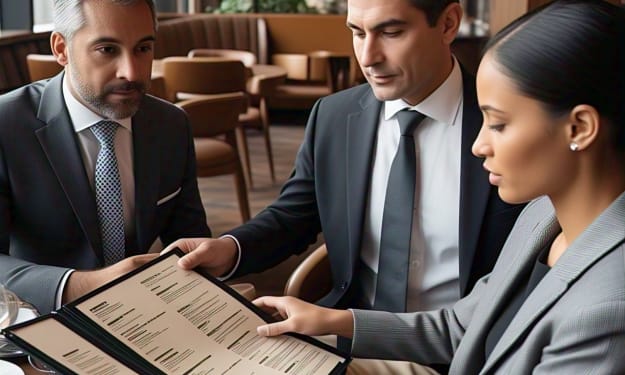
Not all business dealings are finalized in the office setups. Some are decided, finalized, and signed in the restaurant settings over a business lunch. In the latter case, the atmosphere, ambiance, and overall setting of the restaurant matter significantly. Most importantly, the selection of the menu can impact the mood of the attendees too.
By Muhammad Zeeshan10 months ago in Writers
Why Australia’s New Psychosocial Safety Laws Are Forcing Employers to Rethink Workplace Risk
Australia has quietly entered a new era of workplace regulation, one where psychological health is no longer treated as a secondary wellbeing concern, but as a formal safety obligation equivalent to physical hazards. This shift represents one of the most significant changes to occupational health and safety governance in decades.
By Abbasi Publisher3 days ago in Writers
Rage
Content Warning: Domestic Violence, Assault Rage D. A. Ratliff “Who did this?” My voice echoed through the house. All I wanted was a cup of tea, but one of the twins, running through the house like maniacs, knocked it over. My nerves tingled, and every muscle in my body felt coiled like a spring. Survival seemed out of reach.
By D. A. Ratliff7 days ago in Fiction



Comments
There are no comments for this story
Be the first to respond and start the conversation.