
Health warning issued over flesh-eating ulcer in Australia
Understanding Buruli Ulcer
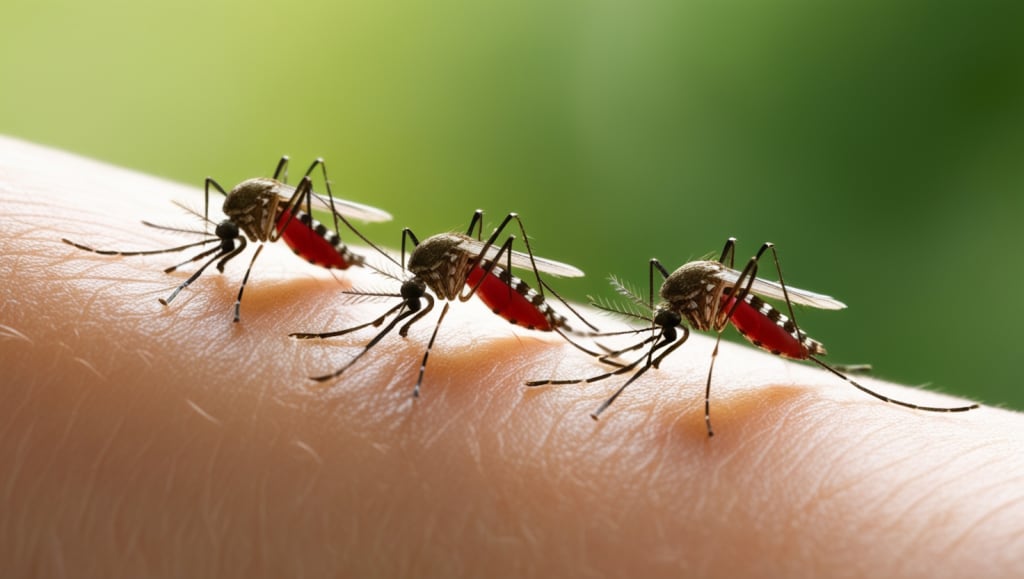
On Friday, the Department of Health in Victoria announced that cases of Buruli ulcer are increasing across the state, including in inner Melbourne, according to Xinhua news agency. Buruli ulcer is a bacterial infection believed to be transmitted from possums to humans through mosquito bites. The infection typically starts as a painless lump or wound that can gradually evolve into a severe ulcer.
What is Buruli Ulcer?
Buruli ulcer is a necrotizing infection of the skin and soft tissues caused by Mycobacterium ulcerans. The bacterium produces a toxin known as mycolactone, which destroys skin cells, fat, and blood vessels. This results in large ulcers that can cause severe disfigurement and disability if left untreated. Unlike many infections, Buruli ulcer often progresses painlessly, which can delay diagnosis and treatment. Systemic symptoms, such as fever, are usually absent.
The disease is named after the Buruli County in Uganda, where it was first extensively studied in the mid-20th century. Today, it is found in over 30 countries, with Australia, particularly the state of Victoria, being a notable hotspot outside of Africa. The disease’s slow progression and painless nature make it a stealthy public health challenge.
The Growing Concern in Australia
Geographical Spread
Traditionally, Buruli ulcer cases in Australia were confined to coastal regions such as the Mornington Peninsula, Bellarine Peninsula, and East Gippsland in Victoria. However, recent years have seen the disease spreading to new areas, including urban environments. Reports of cases in inner Melbourne and Batemans Bay in New South Wales suggest that the disease is expanding beyond its usual boundaries.
As of 2024, over 340 cases have been reported in Victoria alone, marking a significant increase compared to previous years. The spread into new areas raises concerns about the disease potentially reaching more populous regions like Sydney. This geographical expansion underscores the need for heightened vigilance and research into the disease’s transmission mechanisms.
Environmental and Vector Role
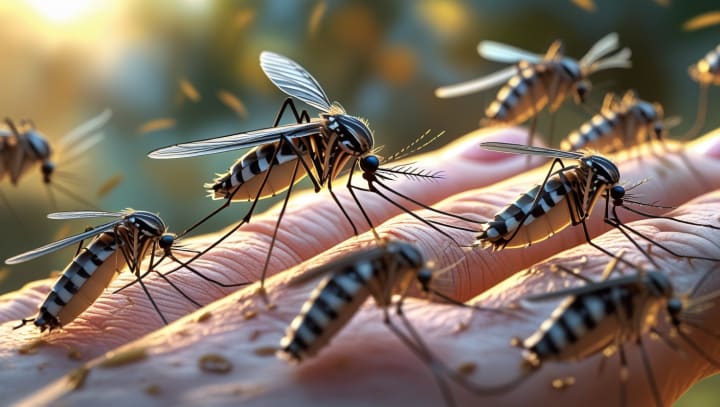
The exact mode of transmission of Mycobacterium ulcerans remains unclear, but research indicates a strong environmental component. Mosquitoes and possums have been implicated as potential vectors in endemic regions. The bacterium has been detected in mosquito populations and possum feces, suggesting that humans may contract the disease through mosquito bites or contact with contaminated soil or vegetation.
Environmental changes, such as urbanization and climate variability, may be contributing to the spread of the disease. Warmer temperatures and increased mosquito activity during the summer months align with higher infection rates, emphasizing the role of environmental factors in the disease’s epidemiology.
Symptoms and Clinical Presentation
Early Symptoms
Buruli ulcer typically begins as a painless lump, nodule, or swelling, often resembling an insect bite. This early lesion is usually firm and located on the arms, legs, or other exposed areas. Because it is painless, the lesion may go unnoticed or be mistaken for a benign condition.
Progression
Over a period of weeks, the nodule enlarges, and the skin breaks down, forming an ulcer with undermined edges. The ulcer’s base may contain necrotic tissue, and its appearance is often described as crater-like. The disease can also cause swelling and cellulitis in the affected area. In severe cases, the infection can extend to deeper tissues, including muscles and bones, leading to significant morbidity.
Complications
If left untreated, Buruli ulcer can cause permanent disfigurement, functional impairment, and disability. Large ulcers may require surgical intervention, including skin grafting, and can lead to psychological and social challenges for affected individuals.
Diagnosis and Challenges
Diagnostic Methods
A Definitive diagnosis of Buruli ulcer requires laboratory confirmation. The most common diagnostic methods include:
- Polymerase Chain Reaction (PCR): Detects M. ulcerans DNA in clinical samples and is the gold standard for diagnosis.
- Microscopy: Direct examination of smear samples for acid-fast bacilli.
- Histopathology: Examination of tissue samples to identify characteristic changes caused by the bacterium.
- Culture: Growing the bacterium in a laboratory, though this method is time-consuming and less commonly used.
Barriers to Diagnosis
The painless nature of the disease and its slow progression often lead to delays in seeking medical attention. Misdiagnosis as an insect bite or minor infection can further delay appropriate treatment. Raising awareness among healthcare providers and the public is essential for early recognition and diagnosis.
Treatment and Management
Antibiotic Therapy
The primary treatment for Buruli ulcer involves a combination of antibiotics. The World Health Organization recommends an eight-week regimen of rifampicin and clarithromycin. In Australia, a regimen of rifampicin and moxifloxacin is also widely used. Early antibiotic treatment can halt disease progression, reduce the size of the ulcer, and minimize the need for surgical intervention.
Surgical Intervention
In cases where significant tissue damage has occurred, surgical procedures such as debridement (removal of necrotic tissue) and skin grafting may be necessary. Surgery aims to promote wound healing, restore function, and prevent further complications.
Wound Care and Rehabilitation
Comprehensive wound care is a critical component of treatment. Proper dressing techniques, infection control, and regular monitoring are essential for promoting healing and preventing secondary infections. Rehabilitation, including physiotherapy, may be needed to restore mobility and functionality in affected limbs.
Preventive Measures
Given the association with mosquitoes, possums, and environmental factors, preventive strategies focus on minimizing exposure to potential vectors and contaminated environments. Recommended measures include:
Avoiding Mosquito Bites:
- Use insect repellents containing DEET or picaridin.
- Wear long-sleeved clothing and long pants, especially during mosquito-prone hours.
- Use mosquito nets and screens to protect living spaces.
Protecting Skin:
- Cover wounds, cuts, and abrasions with waterproof dressings.
- Avoid direct contact with soil or vegetation in endemic areas.
Environmental Management:
- Reduce mosquito breeding sites by eliminating standing water around homes and communities.
- Maintain clean surroundings to discourage possum activity.
Safe Handling of Wildlife:
Avoid direct contact with possums, especially those that appear ill or have open sores.
- Use gloves and protective clothing if handling is necessary.
- Public Awareness and Education
- Raising awareness about Buruli ulcer is a crucial component of disease control. Public health campaigns should focus on:
- Educating the public about the early signs of the disease and the importance of seeking medical attention promptly.
- Training healthcare providers to recognize and manage the disease effectively.
- Disseminating information on preventive measures, particularly in endemic areas.
Community engagement is vital for addressing misconceptions about the disease and encouraging adherence to preventive practices. Schools, workplaces, and community organizations can play a pivotal role in spreading awareness.
Research and Future Directions
Understanding Transmission
Despite significant progress, the exact mode of transmission of Mycobacterium ulcerans remains elusive. Ongoing research aims to:
- Identify environmental reservoirs and vectors with greater precision.
- Explore the role of climate change and human activity in the disease’s spread.
- Develop targeted interventions to break the transmission cycle.
Improving Diagnostics
Efforts are underway to develop rapid, point-of-care diagnostic tests that can facilitate early detection and treatment. Advances in molecular biology and microbiology hold promise for more accessible and efficient diagnostic tools.
Advancing Treatment Options
Research into new antibiotics and treatment regimens is essential to improve outcomes and reduce treatment durations. Exploring immunological approaches, such as vaccines, may also offer long-term solutions for disease prevention.
Global Implications
While Buruli ulcer is a localized issue in Australia, it is a global health concern, affecting countries in Africa, Southeast Asia, and South America. Lessons learned from Australia’s experience can inform strategies in other regions. Collaborative efforts involving governments, international organizations, and research institutions are essential for addressing this neglected tropical disease.
Conclusion
The spread of Buruli ulcer in Australia highlights the importance of vigilance, research, and public health interventions. Early detection, effective treatment, and preventive measures are critical for minimizing the disease’s impact on affected communities. By prioritizing education, community engagement, and scientific innovation, Australia can lead the way in controlling and eventually eradicating this debilitating disease.
About the Creator
Prashant Sharma
I am Prashant Sharma, a passionate writer with years of experience crafting content that informs, inspires, and engages readers.
Keep reading
More stories from Prashant Sharma and writers in Writers and other communities.
What is avian influenza? Know its cause, symptoms, and prevention
Avian influenza, commonly known as bird flu, is a viral infection that primarily affects birds but can occasionally infect humans and other animals. This disease, caused by various strains of the influenza virus, has raised global health concerns due to its potential to cause widespread outbreaks and severe illness. Understanding its causes, symptoms, and preventive measures is essential to mitigate its impact on human health and the poultry industry.
By Prashant Sharmaabout a year ago in Education
March 15, 2026
Merriam Webster - Word of the day: Tranche refers to a division or portion of a whole. World Contact Day is commemorated every year on March 15. It is a unique observance held globally to focus on communicating with extraterrestrial life and exploring the possibility that intelligent beings may exist beyond Earth. World Contact Day inspires people to invoke their curiosity and spend time thinking about the universe and the mysteries surrounding it. What is the “Ides of March”? According to the Roman calendar, the Ides are a monthly occurrence. In March and other months with 31 days, the Ides always falls on the 15th; it falls on the 13th in months with 30 days. The Ides traditionally marked the arrival of the new Moon and was cause for celebration. The word “Ides” is derived from Latin, meaning “to divide.” Mothering Sunday in 2026 falls on Sunday, March 15. Mothering Sunday, celebrated in the United Kingdom and Ireland, occurs on the fourth Sunday of Lent, which is exactly three weeks before Easter. Unlike the fixed-date Mother's Day in countries like the United States, Canada, and Australia, Mothering Sunday’s date changes each year according to the Christian liturgical calendar. On March 15, 2026, several notable observances and events are celebrated: Dumbstruck Day: A day to express frustration. Everything You Think is Wrong Day: A day to challenge and celebrate wrong beliefs. International Day Against Police Brutality: A day to raise awareness and advocate against police violence. My look at today, March 15, 2026 below:
By Denise E Lindquistabout 13 hours ago in Writers
13 Best Low MOQ Custom Packaging Suppliers for Startups in 2026
For many startups, packaging becomes a major operational decision earlier than expected. Once a product is ready to ship, founders quickly encounter the realities of minimum order quantities (MOQs), pricing structures, and customization limitations. Large manufacturers often require thousands of units per order, which is not always practical for businesses still validating demand.
By Abbasi Publisherabout an hour ago in Writers


Comments
There are no comments for this story
Be the first to respond and start the conversation.