
What is avian influenza? Know its cause, symptoms, and prevention
Understanding Avian Influenza: Causes, Symptoms, and Prevention

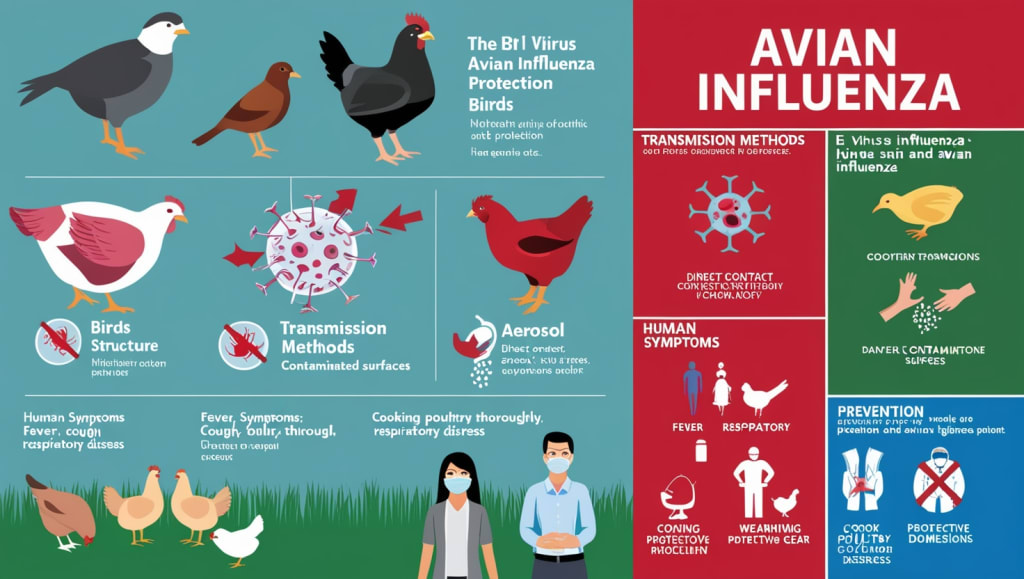
Avian influenza, commonly known as bird flu, is a viral infection that primarily affects birds but can occasionally infect humans and other animals. This disease, caused by various strains of the influenza virus, has raised global health concerns due to its potential to cause widespread outbreaks and severe illness. Understanding its causes, symptoms, and preventive measures is essential to mitigate its impact on human health and the poultry industry.
What is Avian Influenza?
Avian influenza is caused by influenza A viruses, which belong to the Orthomyxoviridae family. These viruses are categorized into subtypes based on two surface proteins: hemagglutinin (H) and neuraminidase (N). There are 18 known H subtypes and 11 N subtypes, leading to various combinations like H5N1, H7N9, and H5N8, which are most commonly associated with bird flu outbreaks.
While avian influenza primarily infects wild birds, particularly waterfowl, domestic poultry such as chickens and turkeys are highly susceptible. Certain strains, especially H5N1 and H7N9, have been known to infect humans, leading to severe respiratory illnesses and fatalities.
Causes of Avian Influenza
Avian influenza spreads through direct or indirect contact with infected birds. Key modes of transmission include:
- Direct Contact: Handling infected birds, their feathers, or droppings can lead to virus transmission.
- Contaminated Surfaces: The virus can survive on surfaces like cages, farm equipment, and clothing, posing a risk to those in contact.
- Aerosol Transmission: Inhaling droplets containing the virus, especially in confined spaces like poultry farms, increases infection risks.
- Consumption of Contaminated Products: While rare, consuming undercooked poultry or eggs from infected birds may transmit the virus.
Wild migratory birds often act as reservoirs for avian influenza, spreading the virus to domestic birds during migration. Infected birds may not always show symptoms, making it challenging to detect and control outbreaks.
Symptoms of Avian Influenza in Humans
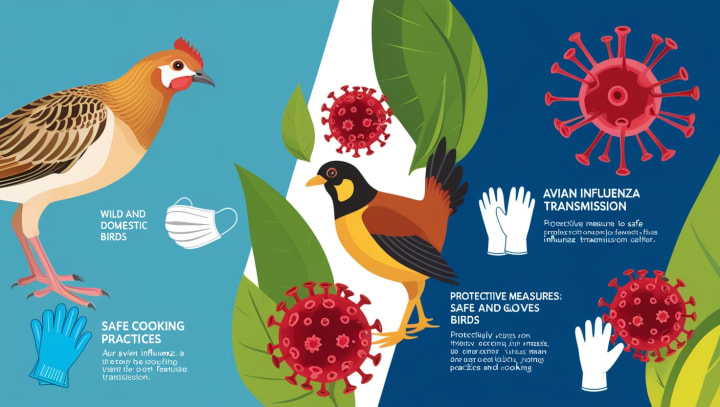
The symptoms of avian influenza in humans can range from mild to severe, depending on the viral strain and individual health factors. Common symptoms include:
- High fever (above 38°C)
- Cough and sore throat
- Muscle aches and fatigue
- Difficulty breathing
- Runny or stuffy nose
- Eye infections (conjunctivitis)
- Diarrhea
- Vomiting
In severe cases, avian influenza can lead to complications such as pneumonia, acute respiratory distress syndrome (ARDS), multi-organ failure, and even death. Prompt medical attention is critical for individuals showing symptoms after potential exposure to the virus.
Impact on Poultry and Economy
Avian influenza outbreaks have devastating effects on the poultry industry. Infected flocks often need to be culled to prevent the spread of the virus, leading to significant economic losses for farmers and disruptions in the supply chain. Additionally, trade restrictions on poultry products from affected regions can further strain economies.
Prevention of Avian Influenza
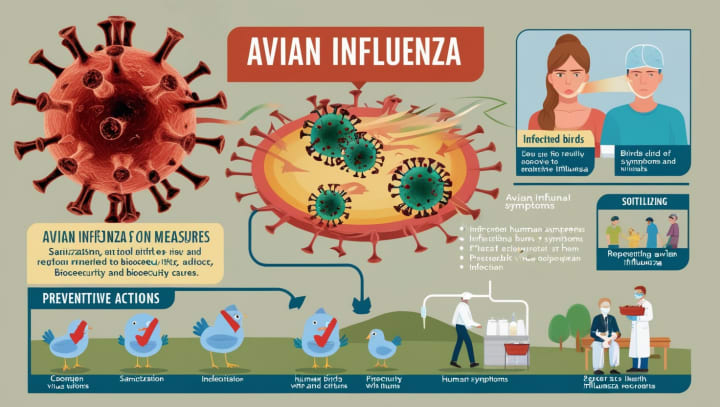
Preventing avian influenza requires coordinated efforts at the individual, community, and governmental levels. Key preventive measures include:
For Individuals
- Practice Good Hygiene: Wash hands frequently with soap and water, especially after handling birds or visiting live bird markets.
- Cook Poultry Thoroughly: Ensure poultry and eggs are cooked to an internal temperature of at least 74°C to kill the virus.
- Avoid Contact with Wild Birds: Refrain from touching wild birds or their droppings.
- Wear Protective Gear: Farmers and workers in poultry farms should use gloves, masks, and boots while handling birds.
For Poultry Farmers
- Implement Biosecurity Measures: Restrict access to poultry farms, disinfect equipment, and maintain clean facilities.
- Monitor Bird Health: Regularly check for symptoms of avian influenza in birds and report suspected cases to authorities.
- Separate Species: Keep domestic poultry separate from wild birds to minimize the risk of transmission.
- Vaccination: In some regions, vaccination of poultry against specific strains of avian influenza is recommended.
Governmental and International Efforts
- Surveillance Programs: Monitor and track avian influenza outbreaks in both wild and domestic birds.
- Public Awareness Campaigns: Educate communities about the risks and preventive measures associated with bird flu.
- Regulate Live Bird Markets: Implement guidelines to ensure hygiene and reduce the risk of virus spread in live bird markets.
- Research and Development: Invest in developing vaccines and antiviral drugs for both poultry and humans.
Treatment of Avian Influenza in Humans
Currently, there is no specific treatment for avian influenza. Antiviral medications like oseltamivir (Tamiflu) and zanamivir (Relenza) can help reduce the severity of symptoms and prevent complications if administered early. Supportive care, including oxygen therapy and mechanical ventilation, may be required for severe cases.
Global Efforts to Combat Avian Influenza
International organizations like the World Health Organization (WHO) and the Food and Agriculture Organization (FAO) play a crucial role in combating avian influenza. Their initiatives include:
- Global Health Monitoring: Tracking outbreaks and sharing information to prevent global spread.
- Capacity Building: Assisting countries in developing infrastructure and expertise to manage outbreaks.
- Funding Research: Supporting studies on virus evolution, vaccine development, and effective control measures.
Lessons from Past Outbreaks
Past outbreaks of avian influenza, such as the H5N1 outbreak in 1997 and the H7N9 outbreak in 2013, have highlighted the importance of early detection and rapid response. These incidents underscored the need for global cooperation in managing zoonotic diseases, which can cross species barriers and cause pandemics.
Conclusion
Avian influenza remains a significant public health and economic challenge. By understanding its causes, symptoms, and preventive measures, individuals and communities can play a vital role in reducing its impact. Continued vigilance, research, and collaboration among governments, health organizations, and the poultry industry are essential to safeguard both human and animal health against this evolving threat.
About the Creator
Prashant Sharma
I am Prashant Sharma, a passionate writer with years of experience crafting content that informs, inspires, and engages readers.
Keep reading
More stories from Prashant Sharma and writers in Education and other communities.
The Dad of a Country: Mahatma Gandhi's Tradition of Harmony
Mahatma Gandhi, generally viewed as the "Father of the Country," was a guide of harmony, truth, and peacefulness. His life's process — from Mohandas Karamchand Gandhi to turning into the Mahatma — is a motivation to individuals around the world. Through his way of thinking of Satya (truth) and ahimsa (peacefulness), he drove India to freedom as well as left a significant effect on worldwide developments for equity and fairness. This memoir digs into his phenomenal life, convictions, and getting through heritage.
By Prashant Sharmaabout a year ago in Education
The Impact of Virtual Reality on Healthcare Innovation and Medical Practice
Virtual reality is steadily transforming the healthcare industry by offering immersive digital environments that support medical education, treatment planning, and patient care. Unlike traditional tools, VR allows healthcare professionals to interact with highly detailed simulations that replicate real medical situations. These interactive experiences provide opportunities for learning and preparation that were previously difficult to achieve through conventional training methods.
By Alex Kipman4 days ago in Education
Why the Sun Will Become a Red Giant: The Future of Our Solar System Explained
Every morning, the Sun rises as it has for billions of years, bathing Earth in light and warmth. To us, it feels permanent and unchanging. Yet in the vast timeline of the universe, the Sun is only halfway through its life.
By shahkar jalala day ago in Education
TUS NUA - ch 53
TUS NUA – ch 53 New Beginnings – Mia and Midnight (*)(*)(*) Finola knew Ali’s brother-in-law needed to put his mind at rest. She fed her arm through his and led him outside. “We’ll sit here. If you like, I can put a block around us so our conversation will be private.”
By Margaret Brennan7 days ago in Fiction




Comments (1)
Always hats off to good sharings.