
Health 2.0 Conference Highlights The Role Of Insurance In Care And Patient Rights
Health insurance can be the key to timely care and manageable medical bills. It directly affects your access to healthcare, financial protection, and patient rights.


With the right coverage, you gain peace of mind and improve your health outcomes. Health insurance plays an important part in deciding the kind of care you receive. Without it, navigating the healthcare system can become overwhelming and costly.
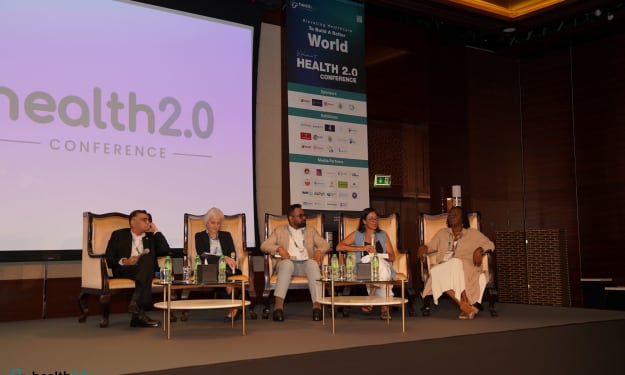
Engaging with experts at healthcare events in 2025, like the Health 2.0 Conference, gives key insights into how health insurance affects access to care and patient rights. These events bring together leaders to discuss trends in healthcare coverage and patient advocacy. Attending helps you stay informed, make better decisions, and understand your rights as a patient. In this blog, we will talk about how health insurance impacts your ability to receive care, protects your rights as a patient, and shapes your overall healthcare experience.
Unlocking Access To Care
- Health insurance often determines how quickly patients can receive care.
- Those with comprehensive coverage typically have easier access to specialists, tests, and treatments.
- Without insurance, many individuals delay seeking medical attention due to high out-of-pocket costs.
- Insurance providers often have networks, and accessing care outside these networks can result in additional expenses or reduced coverage.
- Preventive care, which involves immunizations and screenings, is frequently more available to insured people, resulting in improved long-term health outcomes.
While access to care is a key benefit, insurance's financial protection is just as vital for patients facing high medical costs.
Financial Protection Benefits
- Health insurance shields patients from the full brunt of medical costs by covering a portion of treatment fees.
- Insured patients often benefit from negotiated rates between healthcare providers and insurance companies, reducing their expenses.
- Co-payments, deductibles, and premiums, while still significant, are often more manageable than paying for services entirely out-of-pocket.
- Uninsured individuals may face financial ruin from a single major health event, while insured patients are more likely to manage healthcare costs effectively.
According to experts from top healthcare conferences in Dubai, health insurance not only eases financial burdens but also protects patient rights. It empowers individuals to advocate for necessary treatments and ensures fair access to care, making it essential for both cost management and patient well-being.
Protecting Patient Rights
- Health insurance helps uphold patient rights, ensuring access to necessary medical treatments.
- Many policies cover second opinions, allowing individuals to make educated decisions regarding their health.
- Insurers are legally required to disclose covered services, helping patients understand what treatments they can access.
- Denied claims can be appealed, giving patients a voice in the decision-making process when coverage disputes arise.
In addition to safeguarding patient rights, insurance also makes preventive care more accessible, which can lead to long-lasting health benefits. To know more about the importance of patient rights and preventive care, attending top healthcare conferences in Dubai, like Health 2.0 Conference, offers valuable insights from industry experts on these critical topics.
The Power Of Preventive Care
- Various health insurance plans provide preventative care, including yearly check-ups, vaccines, and health screenings.
- Preventive care leads to early detection of diseases, improving long-term health outcomes for insured individuals.
- Insured patients are more likely to receive routine care to handle health concerns before they worsen.
- Preventive services reduce the overall cost of healthcare by preventing costly emergency care and chronic disease management.
Despite the benefits of insurance, not everyone has equal access, highlighting important disparities in health care coverage. To learn more, top healthcare conferences provide insights into these disparities and explore ways to improve access to preventive care for all individuals.
Addressing Coverage Gaps
- Health insurance coverage is not universal, leading to gaps in access to care for uninsured or underinsured populations.
- Individuals in low-income brackets, racial minorities, and those living in rural areas are often disproportionately affected by limited insurance coverage.
- Medicaid and Medicare programs help bridge some gaps but may not fully eliminate disparities in care quality and access.
- Employers often provide health insurance, but freelance or gig workers may struggle to secure affordable coverage.
Now that we have explored the disparities in insurance coverage, we will end the blog with a summary that represents the overall influence of health insurance on care access and patient rights.
Conclusion
Health insurance significantly impacts access to care, financial protection, and patients' rights within the healthcare system. Those with coverage enjoy better access to services, more financial security, and stronger advocacy for their healthcare rights. Preventive care also becomes more accessible, improving long-term health outcomes for insured individuals. However, disparities in coverage still leave many populations vulnerable.
Connecting with experts at healthcare events in 2025, such as the Health 2.0 Conference, can help individuals better understand these dynamics and navigate the healthcare landscape more effectively. This information enables people to make more educated decisions regarding their health and financial well-being. By understanding the crucial role of health insurance and staying informed through expert insights, individuals can take charge of their healthcare experience and guarantee that their rights are safeguarded.
About the Creator
Health 2.0 Conference
Health 2.0 Conference provides a unique opportunity for the industry’s change makers to meet, network, and collaborate while brainstorming on the latest disruptions and innovations of the sector.
Keep reading
More stories from Health 2.0 Conference and writers in Writers and other communities.
Health Conference’s Experts Highlights The Link Between Social Interaction And Positive Mental Health
Think about the last time you had a genuine conversation, shared a good laugh, or spent time with someone who truly understood you. That warm, calm feeling afterward is more than emotional; it reflects how deeply social connection supports mental health. During a recent health event, notably Health 2.0 Conference experts emphasized that meaningful interaction can ease stress, lift mood, and reduce loneliness. In today’s busy world, taking time to connect, listen, and share experiences reminds us that relationships are not just pleasant moments. They are vital for building emotional strength and creating a sense of belonging and happiness.
By Health 2.0 Conference2 months ago in Writers



Comments
There are no comments for this story
Be the first to respond and start the conversation.