
Hashtags on Facebook: A Guide for Social Marketers
Boost Your Brand with Smart Hashtag Strategies

Hashtags on Facebook have been around for years, but many marketers still wonder how effective they are. Unlike Instagram or Twitter, where hashtags play a central role in content discovery, Facebook's hashtag strategy works differently. However, when used correctly, hashtags on Facebook can help increase reach, improve engagement, and make content more discoverable. This guide will explore everything social marketers need to know about Facebook for hashtags, from their importance to best practices.
What Are Hashtags on Facebook?
Hashtags on Facebook are words or phrases preceded by the "#" symbol, making them clickable and searchable within the platform. When users click on a hashtag, they see a feed of posts that include the same hashtag, allowing for content categorization and increased visibility. Social marketers can use hashtags on Facebook to connect their posts with trending topics, industry discussions, and niche communities.
Why Are Hashtags on Facebook Important for Social Marketing?
Using hashtags on Facebook strategically can offer multiple benefits for social marketers, including:
Increased Discoverability – Hashtags make content easier to find when users search for or follow a specific hashtag.
Better Engagement – Posts with relevant hashtags tend to receive more interactions, including likes, comments, and shares.
Community Building – Hashtags help marketers create and participate in conversations around their industry or brand.
Tracking Trends – Social marketers can monitor trending hashtags on Facebook to stay updated on popular topics and audience interests.
Campaign Organization – Branded hashtags allow businesses to track user-generated content and engagement for marketing campaigns.
How to Effectively Use Hashtags on Facebook
To maximize the benefits of hashtags on Facebook, social marketers should follow these best practices:
1. Choose Relevant Hashtags
Not all hashtags perform well on Facebook. Instead of using generic or overly broad hashtags, marketers should select ones that align with their industry, audience, and content. For example, a fashion brand might use #FashionTrends instead of a vague hashtag like #Trending.
2. Limit the Number of Hashtags
Unlike Instagram, where multiple hashtags are encouraged, Facebook posts perform best with fewer hashtags. Studies suggest that using 1-3 relevant hashtags on Facebook per post is ideal for engagement. Overloading a post with hashtags can appear spammy and reduce effectiveness.
3. Mix Branded and Trending Hashtags
Branded hashtags help establish a unique identity, while trending hashtags can expand reach. Social marketers should create a branded hashtag for their business (e.g., #NikeStyle) while also incorporating relevant trending hashtags on Facebook to increase visibility.
4. Use Hashtags in Public Posts
To maximize reach, posts with hashtags on Facebook should be set to "Public." If a post is shared within a private group or with limited visibility settings, hashtags won’t significantly impact reach or engagement.
5. Research Hashtag Performance
Before using hashtags on Facebook, marketers should research their effectiveness. Tools like Facebook’s search bar, social listening platforms, and analytics tools can help determine which hashtags are trending and relevant to their audience.
6. Keep Hashtags Short and Clear
Long or complicated hashtags can be difficult to read and remember. Using concise, clear hashtags on Facebook (e.g., #SocialMediaMarketing instead of #BestSocialMediaMarketingTips2025) ensures better engagement.
7. Monitor and Adjust Your Hashtag Strategy
Marketers should regularly analyze the performance of their hashtags on Facebook using insights and engagement metrics. If certain hashtags drive more engagement, they should be used more frequently, while ineffective ones should be replaced.
Best Types of Hashtags on Facebook for Marketers
Marketers can use different types of hashtags on Facebook to achieve specific goals. Some of the most effective ones include:
1. Industry-Specific Hashtags
These hashtags focus on a particular industry or niche, helping brands connect with a targeted audience. Examples:
#DigitalMarketing
#SocialMediaTrends
#EcommerceTips
2. Branded Hashtags
Businesses can create unique branded hashtags to encourage user-generated content and brand awareness. Examples:
#ShareACoke (Coca-Cola)
#JustDoIt (Nike)
#MyStarbucksStory (Starbucks)
3. Campaign Hashtags
Marketers often create hashtags specifically for marketing campaigns, contests, or product launches. Examples:
#SummerSale2025
#WinWithUs
#30DayChallenge
4. Trending Hashtags
Using trending hashtags on Facebook can help marketers join viral conversations. However, they should only use trending hashtags that are relevant to their brand. Examples:
#AIinMarketing
#BlackFridayDeals
#SustainableLiving
5. Event Hashtags
Hashtags for events help businesses engage with attendees and promote brand presence. Examples:
#CES2025 (Consumer Electronics Show)
#SuperBowlAds (Super Bowl Marketing Campaigns)
#WebSummit2025 (Tech Conference)
Facebook Widget
To enhance user engagement, marketers can add a Facebook widget on their websites or blogs. This allows visitors to view and interact with Facebook content without leaving the site. Facebook offers several widget options, such as:
Like Box – Displays a business page with a “Like” button.
Comments Plugin – Allows users to comment on blog posts via Facebook.
Embedded Posts – Lets marketers display specific Facebook posts on their site.
Video Player – Embeds Facebook videos for direct playback.
Adding Facebook widgets can help brands integrate their social media presence with their website, increasing visibility and engagement for posts containing hashtags on Facebook.
Common Mistakes to Avoid When Using Hashtags on Facebook
While hashtags on Facebook can enhance a social marketing strategy, certain mistakes can reduce their effectiveness. Marketers should avoid:
Using Too Many Hashtags – Excessive hashtags can appear spammy and reduce engagement.
Irrelevant Hashtags – Hashtags should always be relevant to the content and target audience.
Ignoring Analytics – Marketers should track hashtag performance to refine their strategy.
Overcomplicated Hashtags – Simple, readable hashtags perform better than long or confusing ones.
Not Engaging with Hashtags – Simply adding hashtags isn’t enough; marketers should actively engage in hashtag conversations.
Conclusion
Hashtags on Facebook may not be as dominant as on Instagram or Twitter, but they remain a valuable tool for social marketers when used correctly. By choosing relevant hashtags, limiting their use, mixing branded and trending hashtags, and monitoring performance, businesses can enhance their Facebook marketing strategy. Social marketers should continuously experiment and adapt their hashtag strategy to maximize engagement and visibility on Facebook.
About the Creator
Keep reading
More stories from Pipkin. delain and writers in Writers and other communities.
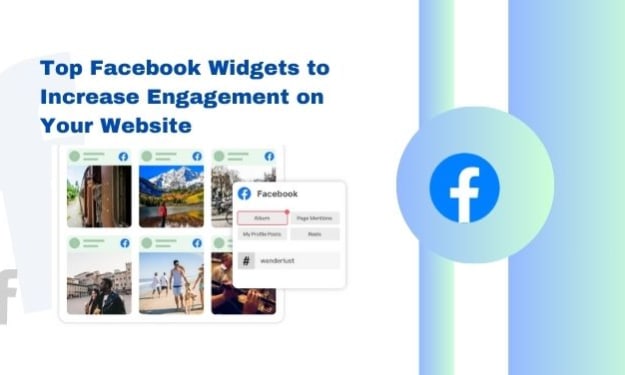
Top Facebook Widgets to Increase Engagement on Your Website
In today’s digital landscape, engagement is everything. Whether you're a small business owner or a large corporation, ensuring that your website drives consistent interaction is crucial for building trust, improving conversion rates, and ultimately growing your brand. One highly effective way to achieve this is by integrating Facebook widgets into your website. These widgets allow you to display dynamic, real-time social media content directly on your website, offering visitors a seamless experience while increasing your online presence.
By Pipkin. delainabout a year ago in Writers
Transform Your Creative Projects with Stunning Visual Backgrounds
In today’s digital world, visuals speak louder than words. Whether you’re crafting a blog post, designing social media content, or putting together a presentation, the right background can make your project instantly more engaging and professional. Yet, many creators underestimate the power of a thoughtfully designed backdrop, often settling for generic images or plain colors that fail to capture attention.
By Abbasi Publisherabout 17 hours ago in Writers



Comments
There are no comments for this story
Be the first to respond and start the conversation.