
Glycemic Control in Diabetes: Strategies for Long-Term Management
1. Understanding the Basics of Blood Sugar Regulation 2. Dietary Approaches for Stable Glucose Levels 3. The Role of Physical Activity in Diabetes Control 4. Medication and Insulin: When Lifestyle Isn’t Enough 5. Monitoring Your Blood Sugar: Tools and Techniques 6. Managing Stress and Sleep for Better Glycemic Outcomes 7. Preventing Complications Through Consistent Control 8. Personalizing Your Diabetes Management Plan 9. Tech and Tracking: Using Apps and Devices to Stay on Target 10. Working with Your Healthcare Team for Long-Term Success
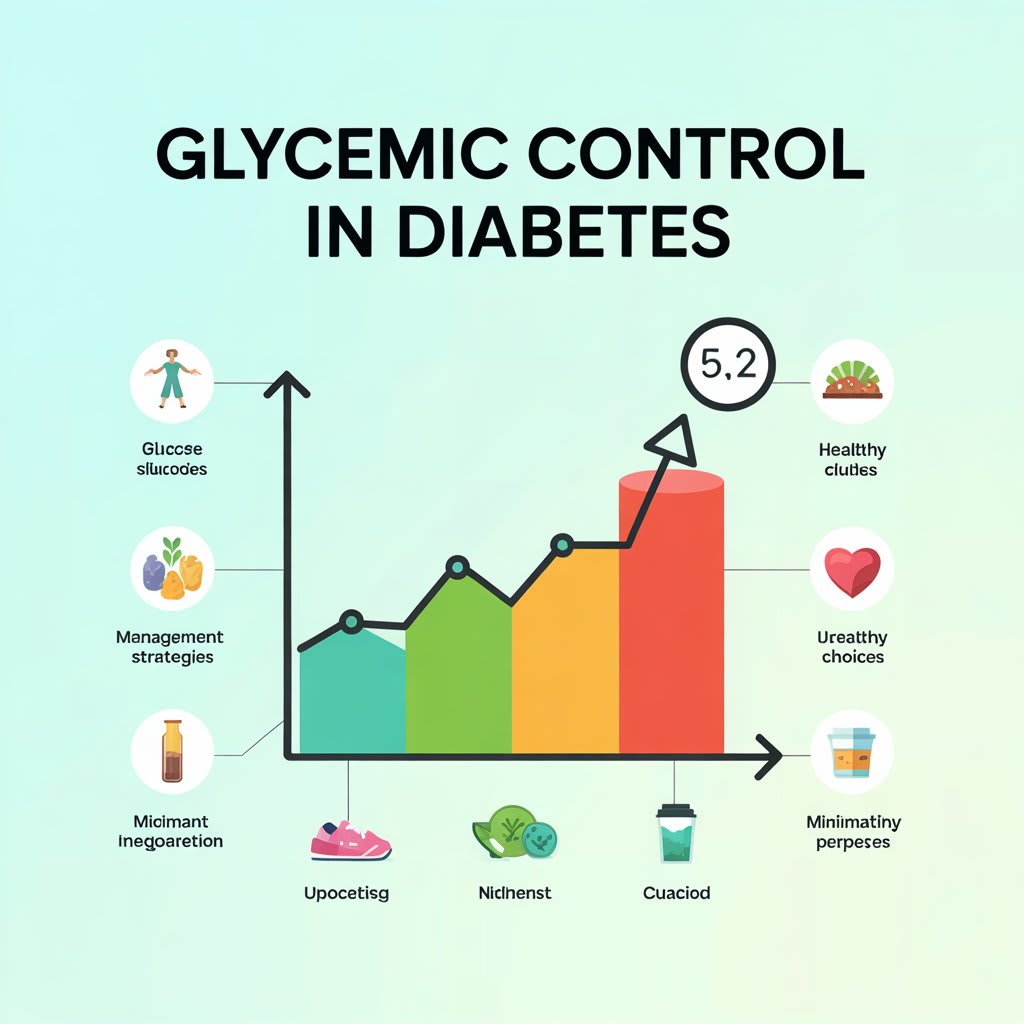
Glycemic Control in Diabetes: Strategies for Long-Term Management
Managing diabetes effectively is essential for maintaining quality of life and preventing complications. Glycemic control—keeping blood sugar levels within a healthy range—is the foundation of diabetes management. This article outlines proven strategies to help individuals manage their diabetes for the long haul.
---
1. Understanding the Basics of Blood Sugar Regulation
Glycemic control refers to maintaining blood glucose levels within a target range. For most people with diabetes, that means keeping fasting blood sugar between 80–130 mg/dL and below 180 mg/dL after meals. The hormone insulin plays a central role in regulating blood glucose. In type 1 diabetes, the body produces little to no insulin, while in type 2 diabetes, the body becomes resistant to insulin. Understanding this physiology is key to making informed choices.
2. Dietary Approaches for Stable Glucose Levels
What you eat directly impacts your blood sugar. A balanced diet rich in fiber, whole grains, lean protein, and healthy fats can help regulate glucose levels. The plate method (half vegetables, a quarter protein, a quarter complex carbs) is a simple way to plan meals. Limiting sugary foods, refined carbs, and processed snacks is crucial. Consistency in meal timing and portion control also helps prevent blood sugar spikes and crashes.
---
3. The Role of Physical Activity in Diabetes Control
Regular exercise improves insulin sensitivity and helps lower blood glucose levels. Aerobic activities like walking, swimming, or cycling are particularly beneficial. Strength training and flexibility exercises also support overall metabolic health. Aim for at least 150 minutes of moderate exercise per week. Always monitor blood sugar before and after activity, especially if you take insulin or medications that can cause hypoglycemia.
---
4. Medication and Insulin: When Lifestyle Isn’t Enough
While lifestyle changes are the cornerstone of diabetes management, some individuals need medications or insulin therapy to achieve optimal glycemic control. These include oral medications like metformin or SGLT2 inhibitors, and various forms of insulin. It's essential to follow your healthcare provider’s instructions, monitor side effects, and adjust dosages as needed. Never skip or adjust medications without consulting your doctor.
---
5. Monitoring Your Blood Sugar: Tools and Techniques
Regular blood glucose monitoring helps you understand how food, activity, and medications affect your levels. Tools include glucose meters, continuous glucose monitors (CGMs), and smart insulin pens. Keeping a log or using a diabetes app can provide insights into patterns and trends. Regular HbA1c testing (every 3 to 6 months) gives an overview of long-term glycemic control.
---
6. Managing Stress and Sleep for Better Glycemic Outcomes
Stress hormones like cortisol can raise blood sugar levels. Practicing stress management techniques such as meditation, deep breathing, or yoga can help. Sleep is also critical—lack of sleep affects insulin sensitivity and can lead to higher blood sugar. Aim for 7–9 hours of quality sleep per night and maintain a consistent sleep schedule.
---
7. Preventing Complications Through Consistent Control
Long-term poor glycemic control can lead to complications such as nerve damage, kidney disease, vision problems, and heart disease. By managing blood sugar levels consistently, individuals can significantly reduce their risk. Routine check-ups, foot care, eye exams, and screenings for complications should be part of your regular healthcare routine.
---
8. Personalizing Your Diabetes Management Plan
Every individual’s body responds differently to food, medications, and activity. That’s why a personalized approach is critical. Work with your healthcare team to create a plan tailored to your needs, goals, and lifestyle. This includes setting realistic targets, adjusting treatment plans as needed, and staying flexible as your body and life change over time.
---
9. Tech and Tracking: Using Apps and Devices to Stay on Target
Digital tools have made diabetes management easier than ever. Smartphone apps can track meals, exercise, medications, and glucose levels in one place. CGMs offer real-time data and alerts, while smart insulin pens help with dosage tracking. These technologies can empower you with information to make smarter daily decisions and improve long-term control.
---
10. Working with Your Healthcare Team for Long-Term Success
Diabetes management is a team effort. Your healthcare team may include a primary care physician, endocrinologist, diabetes educator, dietitian, and pharmacist. Regular communication, open discussions, and a shared commitment to your health are key. Don’t hesitate to ask questions, express concerns, or seek additional support when needed.
---
Conclusion
Glycemic control is not about perfection—it's about consistency, education, and adapting to life's changes. With the right strategies and support, living well with diabetes is entirely possible. The goal is not just blood sugar control but a healthy, fulfilling life.
About the Creator
Keep reading
More stories from Tasneem Ur Rahman and writers in Writers and other communities.
The Sound of Thursday Mornings
Title: "The Sound of Thursday Mornings" Every Thursday at exactly 7:32 a.m., Mr. Foster watered his porch plants. I know this because I watched him every week from the second-story window of my apartment. It wasn’t creepy—at least I didn’t think so. It was ritual. Comforting. Like the way some people listen to the same song on repeat until they stop crying, or how others always order the same coffee when their heart is broken.
By Tasneem Ur Rahman10 months ago in Writers




Comments
There are no comments for this story
Be the first to respond and start the conversation.