
From Boulders to Pebbles: The Step-by-Step Process of Crushing Rocks into Gravel
Crushing Rocks into Gravel

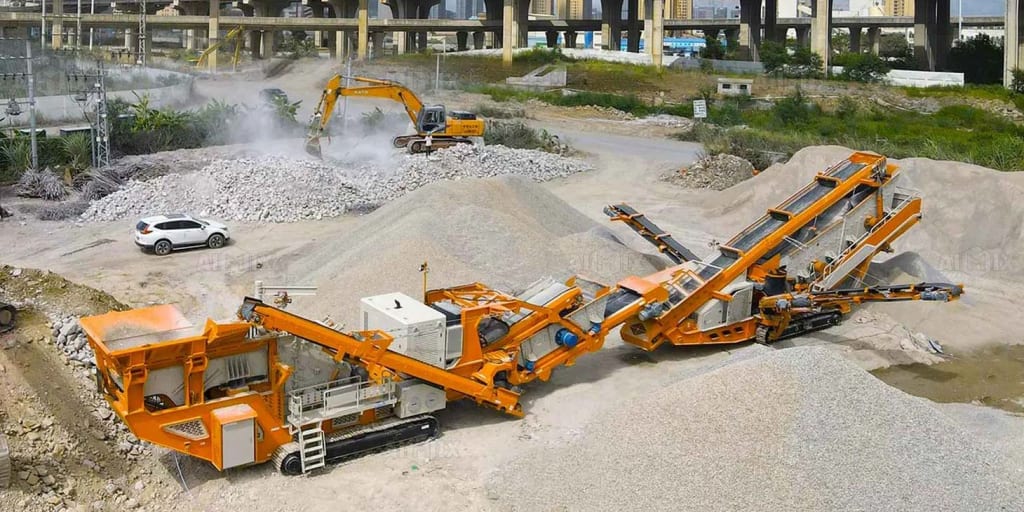
From extracting raw materials to producing usable gravel, the process of crushing rocks into gravel is a meticulous endeavor that involves various stages of refinement and specialized equipment. This article delves into the intricate steps and machinery involved in transforming large boulders into the pebble-sized gravel used extensively in construction and landscaping projects.
Process Overview
The process of crushing rocks into gravel begins with the initial extraction of quarry or pit rock. This raw material is typically loaded into large haul trucks or conveyors and transported to a primary rock crusher jaws—where it is reduced to smaller chunks.
1. Primary Crushing: Breaking Down the Big Rocks
In the primary crushing stage, large pieces of rock are initially reduced in size by mechanical means. Jaw crushers, equipped with sturdy jaws and a fixed plate to exert pressure, are commonly used for this purpose. These crushers efficiently break down the rock into manageable sizes suitable for secondary crushing and further processing.
2. Secondary Crushing: Refining the Pebble-Sized Gravel
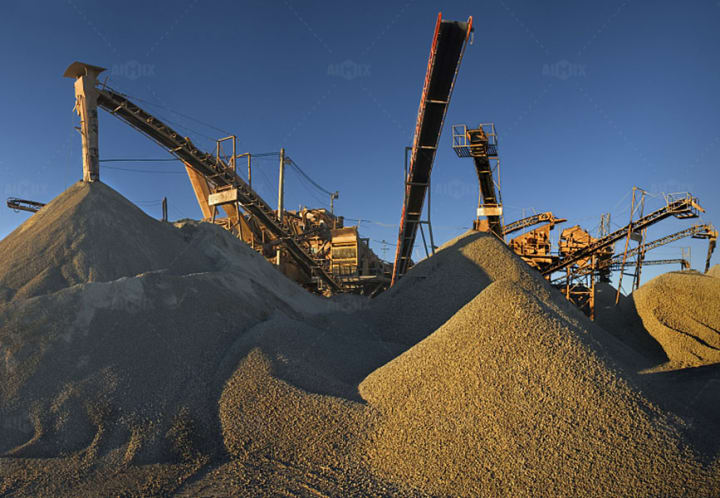
Following primary crushing, the smaller pieces of rock undergo secondary crushing to achieve the desired gravel size and shape. Cone crushers or impact crushers are typically employed in this stage of the process. Cone crushers use a gyrating spindle with a concave bowl to crush rocks against a mantle, while impact crushers use the force of rapid impacts to shatter the material.
3. Screening and Grading: Sorting the Crushed Gravel
After crushing, the gravel undergoes screening processes to sort it into different sizes and grades. Vibrating screens with multiple layers of mesh separate the gravel into various categories based on size. This step ensures that the gravel meets specific requirements for different applications, such as road base, concrete aggregate, or landscaping gravel.
Equipment and Technology
The efficiency and precision of crushing rocks into gravel heavily depend on advanced equipment and technology. Modern crushing plant aggregate is equipped with features that enhance productivity, reduce maintenance requirements, and improve safety during operation. Hydraulic systems, automated controls, and durable materials ensure reliable performance in demanding environments.
Impact on Construction and Landscaping
The gravel produced from crushing rocks serves as a fundamental building material in construction projects worldwide. It forms the foundation for roads, sidewalks, and buildings, providing stability and durability. In landscaping, gravel enhances aesthetic appeal and functionality, serving as a versatile material for pathways, drainage systems, and decorative elements.
Environmental Considerations
While the process of crushing rocks into gravel is essential for construction and landscaping, it can impact the environment if not managed responsibly. Measures such as dust suppression systems and proper site management help mitigate environmental impacts. Additionally, the use of recycled gravel from demolished concrete or asphalt reduces the demand for new raw materials, promoting sustainability in construction practices.
Conclusion
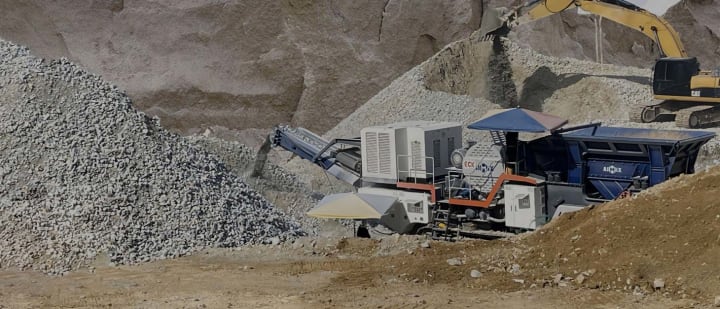
In conclusion, the transformation of boulders into pebbles of gravel involves a systematic process of extraction, crushing, and screening. Specialized equipment and advanced technology ensure the efficiency and quality of the final product, which plays a vital role in construction and landscaping projects worldwide. By understanding this process, stakeholders can appreciate the effort and precision involved in producing the essential gravel used in various applications across industries.
About the Creator
AIMIX
Construction Machine Manufacturer in China. Find Machines here: https://aimixconcretesolution.com/
How to Hire a Virtual Assistant for Personal Organisation and Scheduling
If your calendar feels like a battlefield back-to-back meetings, personal errands, rescheduling, missed reminders you’re not alone. In 2025–2026, more professionals and founders are hiring a virtual assistant (VA) not for “extra help,” but to build a system that keeps life and work running smoothly.
By Michael Coplin6 days ago in Writers




Comments