
From Blank Page to Bookshelf: My Self-Publishing Journey
What I learned about creativity, rejection, and resilience while turning my book dream into reality—without a traditional publisher.



Chapter 1: The Idea That Wouldn’t Let Go
I didn’t set out to be an author.
I was 29, working a 9-to-5 in customer service, writing ideas on the back of receipts during slow shifts. Like a lot of people, I had “Write a book someday” on my bucket list. It felt romantic, mysterious, and almost impossible. I told myself I wasn’t ready. That I wasn’t qualified. That I didn’t have time.
But then, one night—after a particularly frustrating shift—I sat down with a cup of tea and opened a blank Google Doc. I didn’t have a full plot, just a voice in my head and a character that felt too real to ignore.
I started writing.
That one scene turned into a chapter. Then two. Then twelve. Before I knew it, I had 70,000 words sitting on my screen. A messy, uneven, emotionally charged first draft. But still — a book.
Chapter 2: Imposter Syndrome Is Loud
Finishing the first draft felt like crossing a mountain. I expected to feel proud.
Instead, I felt scared.
I’d never studied creative writing. I wasn’t “literary.” I didn’t know what a beta reader was or why formatting mattered. I googled things like “What do I do after finishing a book?” and fell down the rabbit hole of traditional publishing.
It was overwhelming.
Query letters. Agents. Rejection stats. Publishing timelines that stretched years into the future. I told myself I’d never stand out. But deep down, I didn’t want to wait for permission. I wanted my story in the hands of people who needed it.
And so, I started reading about self-publishing.
Chapter 3: Learning Everything the Hard Way
Let me say this: Self-publishing is not the easy way out.
It's the all-in, do-it-yourself, teach-yourself-everything-from-scratch path.
I learned about ISBNs, trim sizes, cover design, formatting tools, editing stages, book blurbs, metadata, keywords, launch strategies, and more. I watched YouTube videos at 2 AM. I followed indie authors on Twitter. I downloaded free guides and joined writing Facebook groups.
And still—I made mistakes.
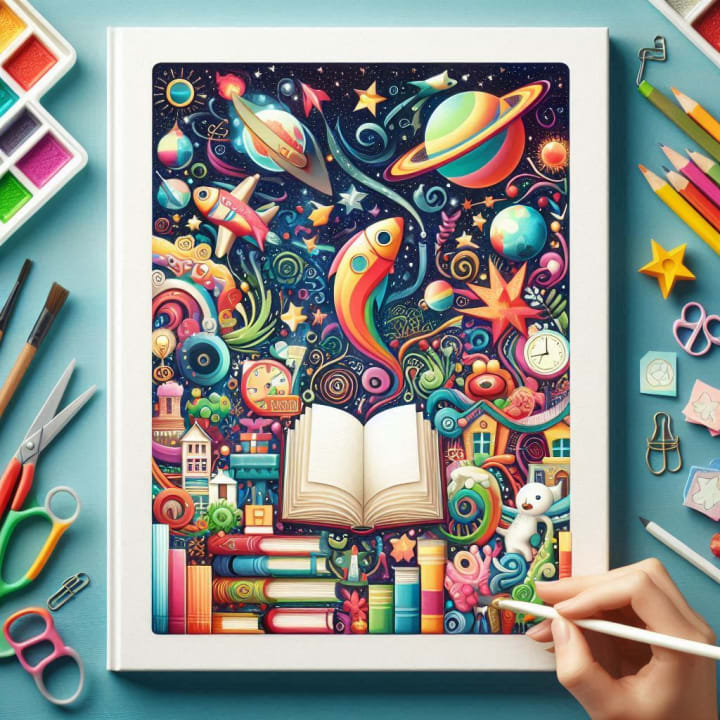
I overpaid for a rushed cover. I uploaded the wrong file to Amazon. My first proof copy had weird spacing and a typo in the title. But every mistake taught me something.
Every step reminded me: This book is real. This dream is mine.
Chapter 4: Hiring Help Without Breaking the Bank
I couldn’t afford a professional editor charging $2,000+ for a full manuscript. But I also knew I couldn’t skip editing.
So I got creative:
I hired a freelance editor on Fiverr for a developmental review.
I swapped manuscripts with another indie author for line edits.
I begged two grammar-loving friends to proofread.
It wasn’t perfect, but it was polished enough to publish with pride.
Then came the cover.
After learning the hard way with my first version, I found a talented designer on Reedsy who understood my genre. She created something clean, bold, and beautiful. The kind of cover that made me smile when I saw it on my shelf.
Chapter 5: Pressing “Publish” and Letting Go
The day I hit “publish” on Amazon Kindle Direct Publishing (KDP), my hands were shaking.
I didn’t throw a big party. I didn’t have a book deal or a publicist. I just sat at my kitchen table, watching the loading bar, heart pounding.
And then — there it was. My book. Live. Available worldwide.
The first sale came from my mom. The second from my college roommate. But then...a stranger bought it. Someone in New Jersey left a review saying my story made them cry on a train.
That’s when it hit me: This is real. People are reading my words.
Chapter 6: The Aftermath — Reality vs. Expectations
I didn’t become an overnight bestseller. I didn’t get rich.
But I got messages. Emails from readers who saw themselves in my characters. Reviews that said, “Thank you for writing this. I needed it.”
I sold a few hundred copies in the first year. Not viral, not flashy — but to me, every copy felt like a quiet victory.
Self-publishing taught me to create without waiting for permission. To be brave enough to finish. To own my work, flaws and all.
Chapter 7: What I Learned (and What I Wish I Knew Sooner)
Here are the most important lessons I carry from the journey:
Done is better than perfect. Your first draft won’t be magical, but it’s the most important step.
Publishing is a process. Editing, designing, marketing—it’s all part of the art.
Imposter syndrome never really leaves. But it gets quieter every time you take action.
Community matters. Fellow indie writers were my support system, even online.
Someone out there needs your story. Even if it's just one person — that's enough.

Moral of the Story
Writing a book doesn’t require a degree, a publishing deal, or a fancy agent. It requires courage. Discipline. Heart.
Self-publishing isn’t the easier path — it’s the braver one. It means betting on yourself when no one else has yet.
And sometimes, that one bet can change everything.
🧭 Final Thought
If you’re sitting on a story, thinking you’re not “ready” — this is your sign: start anyway.
The journey won’t be perfect. But it will be yours.
And that alone is worth writing about.
_________________
Thank you for reading...
Regards: Fazal Hadi
About the Creator
Fazal Hadi
Hello, I’m Fazal Hadi, a motivational storyteller who writes honest, human stories that inspire growth, hope, and inner strength.
Keep reading
More stories from Fazal Hadi and writers in Writers and other communities.
How to Beat Writer’s Block When It Hits Hard
It was 2:17 a.m., and I was staring at a blank screen—again. The blinking cursor pulsed like a heartbeat, steady and silent, almost mocking. I had opened my laptop with the hope that tonight would be the night. The words would flow. The ideas would flood back. But nothing came. Just the cold white of an empty document and the familiar ache of frustration tightening in my chest.
By Fazal Hadi7 months ago in Writers




Comments (1)
amazing