
Food Truck Cost to Operate
How Much Does a Food Truck Cost to Operate

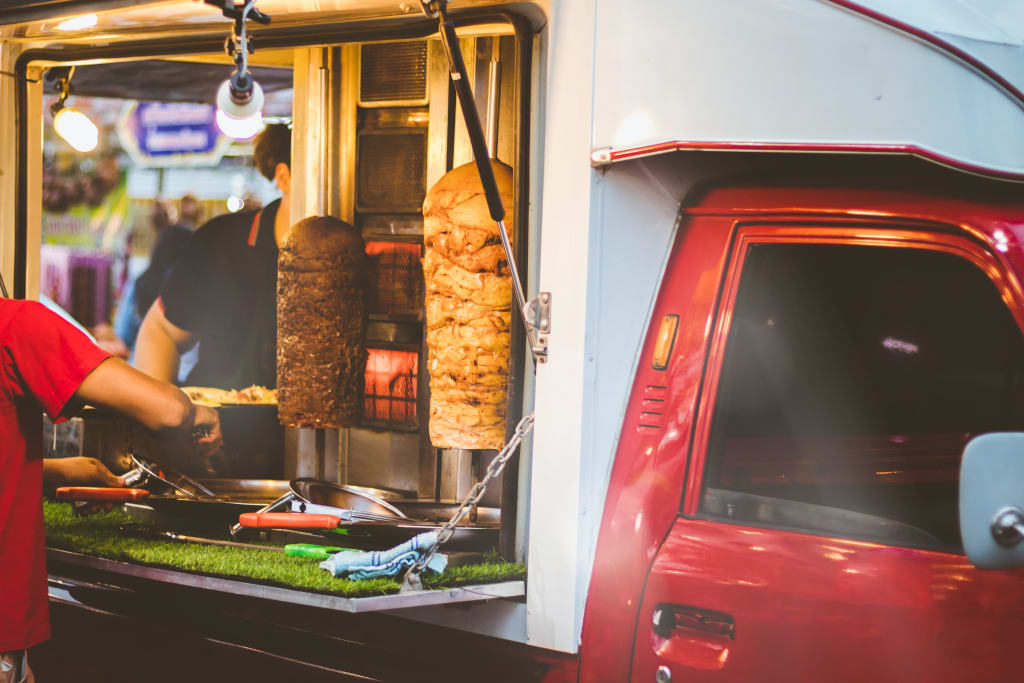
A food truck is more flexible and has the ability to make a profit. However, as in any business, it has some upkeep costs that you should know. Startup investment is the priority of many new owners and in the process, they overlook the operating costs of daily running. This guide looks at those expenditures to enable you to plan better and be ready.
If you're planning to start your own food truck or already have one on the road, this breakdown helps you stay in control of your money and your business.
Understanding the Startup Costs
To operate a food truck, you need to make an upfront investment. This includes buying the truck, installing kitchen equipment, and preparing it for inspections and service. Here’s what you can expect:
Truck purchase: A new truck with basic fittings usually starts at $50,000. A fully customized truck can reach up to $150,000.
Kitchen equipment: Grills, fryers, refrigerators, sinks, and prep tables typically cost around $15,000 to $25,000, depending on your menu.
Permits and licenses: More on this below, but initial setup can cost between $1,000 $5,000.
Branding and graphics: Custom wrapping and signage range from $2,500 to $5,000.
Setup and inspections: You may need to pay extra for inspections, fire suppression systems, and safety upgrades, costing another $1,000 to $3,000.
Altogether, many new owners spend around $100,000 to launch.
Licenses and Permits You Need
The food truck rules vary by city or county. To run your business legally, you require a number of permits. These normally comprise a mobile food vendor permit, a health department permit, an inspection certificate issued by the fire department and a food handling permit.
In case you intend to relocate your truck between counties or states, then you have to be prepared to go through extra paperwork and fees. A route should always be set according to local law. Non-compliance may attract fines or even license suspension.
Health department permit
Food handler certification
Mobile food vending license
Business license
Fire and safety inspection clearance
Customizing Your Food Truck
Having gotten the truck, you need to modify it according to your style of cooking and menu. The floor plan must comprise a secure and effective kitchen arrangement. Here, we have plumbing services, electrical services and installation of appliances. You will also require proper ventilation and fire shields.
You can expect to spend a couple of thousand dollars, or more than 20,000 on appliances, depending on the complexity of your menu. Typical equipment includes grills, ovens, prep tables, sinks, and refrigeration. Also, do not forget to organize storage, utensils, and cleaning materials.
The truck on the exterior must portray your brand. A clean well well-designed wrap of your logo and menu would assure the customer. The exterior of the vehicle is also safeguarded by the custom paint jobs or by the vinyl wrapping, which makes it simpler to maintain.
Labor and Staffing Costs
A lot of food trucks have their own drivers, and it is tiring to own a company on your own. Most trucks require two or more workers during rush times, even in situations where the menu is smaller. Labor can be expensive in case you employ employees.
On average, food truck employees earn between $12 and $20 per hour. Depending on your hours of operation, this can total $2,000 to $4,000 per month for a small team. You’ll also need to factor in payroll taxes, training, uniforms, and workers’ compensation insurance.
If you operate the truck yourself, you reduce staffing costs, but you’ll spend more time managing orders, cooking, and customer service. Whether you hire help or not, it’s important to plan for the cost of labor and possible replacements during high seasons or events.
Fuel and Maintenance
Fuel is a recurring cost that many first-time owners underestimate. Most food trucks run on gas or diesel, and your monthly fuel cost will depend on your daily routes and mileage. Many operators spend between $300 and $600 each month just to stay mobile.
In addition to driving fuel, you may use propane or natural gas for cooking. Depending on usage, this can cost another $100 to $300 per month. Some trucks also use generators for electrical power, which adds to fuel expenses.
Routine maintenance keeps your truck running safely and avoids larger repairs down the road. This includes oil changes, tire checks, brake replacements, and generator servicing. Maintenance costs average around $200 to $500 monthly, but unexpected breakdowns can cost more. Always budget for emergency repairs.
Cost of Food and Supplies
The largest of your ongoing expenses includes food and inventory. New ingredients, cooking oils, condiments, and new sauces should be supplied frequently. Depending on the degree of busyness, food costs include $1,000 to 3000 weekly costs of food in a moderately busy truck. Prices depend on the kind of food you are giving and the period to stock.
Working with reliable local suppliers can reduce costs and improve food quality. Using seasonal ingredients is another smart way to save money while keeping your menu fresh. Portion control also plays a role in keeping costs down without affecting customer satisfaction.
You also need to consider the cost of packaging, utensils, and serving containers. Many trucks now use custom printed food boxes to make their brand memorable and improve customer presentation. While they may cost more than standard containers, they help promote repeat business.
Monthly Business Expenses
Once you have your truck on the road, there is a minimum amount of expenses that you will encounter every month to run the business. Commissary fees are one of the major expenses. These are areas where a person can park, prepare a meal, or manage waste. The usage of a commissary is mandatory in certain cities. Depending on services and location, fees vary between 300 and 1,200 dollars.
In some cities, parking in some public places is paid or one has to have a location permit. You can also end up giving away money on cleaning materials, repairs, food to the staff, or even the parking of the vehicles.
Marketing is important too. Many trucks spend $100 to $300 monthly on digital ads, social media promotions, or printed flyers. Personalized branding elements, such as personalized food boxes, also help improve visibility at events and crowded locations.
Summarizing
Starting a food truck company can be lucrative, but that is only when you realize the actual cost of the business. It is expensive to start, and almost constant budgeting is needed to run the monthly operation. Whether it is fuel, staffing, permitting, or packaging, all the categories will have an impact on your bottom line.
If you’re thinking about starting your own food truck, be sure to look beyond just the price of the vehicle. Success depends on how well you manage everything behind the scenes.
About the Creator
Marilyn Cox
I'm Marilyn Cox, a packaging consultant and designer with 4+ years of experience in crafting custom, eco-friendly packaging that boosts branding and sustainability. I help businesses create innovative, high-quality packaging solutions.
Keep reading
More stories from Marilyn Cox and writers in Writers and other communities.
Licenses for Food Business
It is exciting to start a food business at home when you make what you love into revenue. However, you will require knowing about the legal requirements before starting to cook or bake to serve the customers. Whether it comes to a license or a permit, you have to do things to maintain compliance. Rules can be state-specific or city-specific, but there are quite a number of basics that can be observed anywhere.
By Marilyn Cox6 months ago in Writers
Public Notice
The United States now has a Ministry of Truth, just like the one where Winston Smith worked. Freedom is slavery; ignorance is strength; war is peace. We are here. You are being asked to reject the evidence your eyes and ears have given you for what they tell you. This is not a test.
By Harper Lewis7 days ago in Writers




Comments
There are no comments for this story
Be the first to respond and start the conversation.