
Exploring the Impact of Electron Beam Melting on the Future of Automotive Manufacturing
Impact of Electron Beam Melting
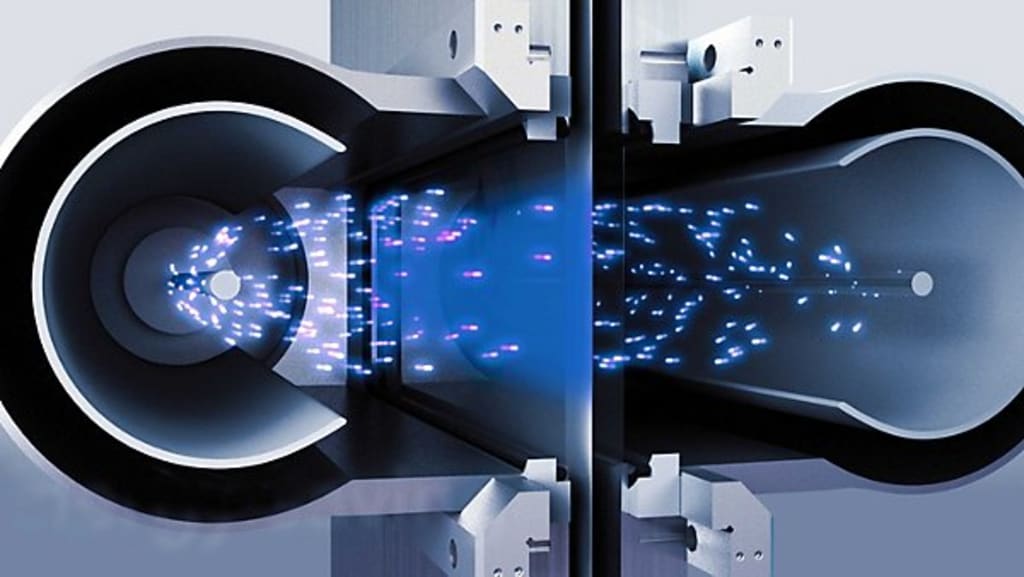
The automotive industry has always been driven by the need for innovation, especially when it comes to improving vehicle performance, reducing weight, and enhancing fuel efficiency. As the demand for custom-made, lightweight, and high-performance parts grows, electron beam melting (EBM) is emerging as a transformative solution. This additive manufacturing technology is not only revolutionizing the way automotive parts are designed and produced but also providing a more sustainable, efficient, and cost-effective alternative to traditional manufacturing methods.
To gain a deeper understanding of the electron beam melting process and how it’s changing automotive manufacturing, be sure to check out this detailed guide: electron beam melting process.
What Is Electron Beam Melting?
The electron beam melting process is an additive manufacturing technique that uses high-energy electron beams to selectively melt and fuse metal powders. This process occurs in a vacuum chamber to ensure high precision and to prevent oxidation of the materials being melted. The result is the creation of fully dense metal parts that exhibit the mechanical properties of conventionally manufactured materials, but with the added benefits of design flexibility, reduced waste, and faster production times.
Unlike traditional methods, such as casting or machining, EBM builds parts layer by layer based on a 3D model, allowing for the creation of complex geometries and customized parts. This is especially important in the automotive industry, where the need for lightweight, strong, and often highly customized components is increasing.
Advantages of EBM in Automotive Manufacturing
Customization and Complex Geometries
One of the key advantages of the electron beam melting process in automotive manufacturing is its ability to produce highly customized and intricate parts. Traditional manufacturing methods like casting or forging are limited in the complexity of the designs they can produce. In contrast, EBM enables the creation of complex geometries that are not possible with conventional methods. For example, components with lattice structures, internal cooling channels, and organic shapes can be fabricated with ease.
This ability to create customized parts is particularly valuable in the automotive sector, where manufacturers are increasingly looking to produce specialized components for electric vehicles (EVs), high-performance vehicles, and custom designs for racing or limited-edition models. Additionally, automotive manufacturers can produce prototypes quickly and test them for functionality before mass production, reducing the time and costs associated with product development.
Weight Reduction
Reducing the weight of automotive components is crucial for improving fuel efficiency and overall vehicle performance. The electron beam melting process is ideal for producing lightweight, strong parts that can meet the stringent requirements of the automotive industry. By using design freedom to create lightweight structures—such as honeycomb or lattice patterns—EBM enables manufacturers to reduce the amount of material used while still maintaining structural integrity.
For instance, using EBM, it’s possible to create lightweight parts for the chassis, suspension systems, or engine components without sacrificing strength or safety. This has particular importance in the production of electric vehicles (EVs), where weight reduction directly impacts battery efficiency and range.
Material Efficiency and Sustainability
The automotive industry is under growing pressure to adopt more sustainable practices and reduce its environmental impact. Traditional manufacturing methods, such as machining or casting, often produce a significant amount of waste material. With electron beam melting, however, material efficiency is significantly improved. The process only uses the amount of material needed to build each layer, reducing the amount of waste generated during production.
Furthermore, EBM allows for the use of high-performance materials that are often difficult to process using traditional methods, such as titanium alloys or high-strength steels. These materials, which are increasingly used in automotive applications due to their strength-to-weight ratios and corrosion resistance, can be processed more effectively through EBM, offering manufacturers a wider range of material options while minimizing waste.
Faster Time-to-Market
The electron beam melting process offers a significant advantage when it comes to reducing production times. With traditional manufacturing methods, creating complex parts can require multiple steps, including casting, machining, and assembly. EBM eliminates many of these intermediate steps, allowing for the rapid production of fully functional parts directly from a 3D model.
In the highly competitive automotive industry, the ability to accelerate time-to-market is critical. EBM enables manufacturers to produce prototype parts in a fraction of the time required by conventional methods, speeding up the development cycle and allowing for quicker iteration and testing. This, in turn, allows manufacturers to bring new models and innovations to market more quickly and stay ahead of the competition.
Cost-Effective for Low-Volume Production
While traditional manufacturing methods are often optimized for high-volume production, they can be inefficient and expensive for small production runs or one-off parts. EBM, on the other hand, is highly suited for low-volume production or custom parts, as the technology eliminates the need for expensive tooling or molds. This makes it a cost-effective option for producing specialized automotive components or limited-edition models that require small production runs.
For example, manufacturers can use EBM to produce unique parts for custom vehicles, aftermarket parts, or high-performance racing components without the heavy financial investment required for large-scale traditional production.
Applications of EBM in Automotive Manufacturing
The electron beam melting process is already being used in various applications within the automotive industry. Some of the most notable uses include:
Engine Components: EBM is used to produce lightweight, high-performance engine components that can withstand high temperatures and pressure, such as turbocharger parts and exhaust systems.
Suspension and Chassis Parts: EBM allows for the creation of complex suspension and chassis components with optimized designs that reduce weight without sacrificing strength.
Customized Parts for Electric Vehicles (EVs): As the automotive industry shifts toward electric vehicles, EBM enables the production of custom parts that are lightweight, strong, and energy-efficient, which are critical for the performance of EVs.
Conclusion
The electron beam melting process is poised to play a transformative role in the automotive industry, offering unprecedented design flexibility, material efficiency, and faster production times. By enabling manufacturers to create highly customized, lightweight parts with minimal waste, EBM is helping the automotive sector to meet the demands of modern consumers while also improving sustainability. As the technology continues to evolve, we can expect to see even more innovative applications in automotive manufacturing, contributing to the future of transportation.
To learn more about the electron beam melting process and how it’s shaping the automotive industry, be sure to visit: electron beam melting process.
About the Creator
Ubaid Anwar
Content Strategist!
Keep reading
More stories from writers in Writers and other communities.




Comments
There are no comments for this story
Be the first to respond and start the conversation.