
Essential Steps to Choose a Lawyer That Fits Your Needs: A Practical Guide
Choose a Lawyer


Choosing the right lawyer is crucial for navigating legal challenges effectively. Start by identifying your specific needs and the area of law relevant to your situation. Whether you require assistance with family law, criminal defense, or business matters, understanding your requirements will direct you toward the right legal professional.
In addition to specialization, consider the lawyer’s experience and track record. Review their past cases and client testimonials to gauge their expertise in handling similar situations. A lawyer with a solid reputation and positive feedback from previous clients can make a significant difference in achieving a favorable outcome.
Finally, don't overlook the importance of personal rapport. It’s essential to feel comfortable discussing sensitive matters, so take the time to consult potential lawyers before making a decision. Building a trusting relationship will enhance your collaboration and ensure that your legal matters are handled with care and attention.
Understanding Your Legal Needs
Recognizing your legal needs is a crucial step in selecting the right lawyer. It involves identifying the specifics of your case and understanding the expertise required for effective representation.
Identifying the Nature of Your Case
Start by assessing the core elements of your legal situation. Is it a criminal matter, a civil dispute, or perhaps family law? Understanding the category of your case helps you narrow down your options.
Consider the complexity involved. Are you facing a straightforward matter that can be resolved through negotiation, or is there a need for extensive litigation? Your case’s nature influences the type of legal support required.
Make a list of all relevant details, including deadlines, parties involved, and any prior communications. This clarity enables you to articulate your needs effectively when consulting potential lawyers.
Specializations and Expertise
Once you understand your case, focus on the specializations of potential lawyers. Different legal fields require specific knowledge and experience. For instance, real estate lawyers excel in property law, while family lawyers are adept at handling custody and divorce matters.
When searching for a lawyer, use targeted keywords that relate to your case. This strategy helps you find legal experts with proven track records in similar cases. To make the best choice, it's important to know how to choose a lawyer based on their credentials, past case outcomes, and client reviews, which can provide insights into their effectiveness.
Lastly, consider their approach and communication style. You want a lawyer who not only understands the law but also fits well with your needs and expectations.
Selecting the Right Lawyer
Choosing the correct legal representation is crucial for effective problem-solving and achieving your objectives. A methodical approach will help you navigate the complexities involved in selecting a lawyer who aligns with your needs.
Researching Potential Lawyers
Start by gathering a list of potential lawyers specializing in your specific legal issue. Use online resources, bar association directories, and personal recommendations. Pay attention to lawyers who focus on your area of need, be it family law, criminal defense, or business litigation.
Evaluate their experience by reviewing cases they have handled in the past. Look for someone who has successfully navigated situations similar to yours. You can also explore online reviews and testimonials to gauge their reputation. Once you have a solid list, you can begin to narrow it down based on the next criteria.
Evaluating Credentials and Reputation
Verify each lawyer’s credentials, including their education, licensing, and any specialized training they may have. Ensure that they are in good standing with the state bar and have no disciplinary actions against them.
Moreover, consider their professional reputation. You can check with legal directories and peer-reviewed ratings. Organizations like Avvo or Martindale-Hubbell provide valuable insight into a lawyer’s standing in the legal community. A trustworthy lawyer typically has a strong record and positive feedback from both clients and peers.
Assessing Communication and Compatibility
Effective communication is essential in a lawyer-client relationship. During initial consultations, assess how well the lawyer listens to your concerns and explains complex legal terms in understandable language.
Compatibility is equally important. You should feel comfortable discussing personal information with your lawyer. Ensure they align with your values and approach to legal matters, as this will foster a more productive relationship. Trust your instincts if something feels off; the right lawyer should make you feel secure in their expertise.
Frequently Asked Questions
Choosing the right lawyer involves understanding your legal needs and evaluating potential candidates based on specific criteria. This section will address common concerns related to selecting a lawyer who best fits your situation.
What are the key criteria to consider when selecting an attorney for a specific legal issue?
When selecting an attorney, you should consider their specialization in the relevant area of law. Look for someone with experience handling cases similar to yours. Evaluate their reputation, communication style, and approach to client relationships.
What steps should I take to ensure I choose the right lawyer for my case?
Start by conducting thorough research on potential attorneys. Check their online reviews and ratings. Schedule initial consultations to gauge their understanding of your case and assess your comfort level with their style.
How can I find a reputable attorney who will work with my financial constraints?
Explore options such as legal aid services or pro bono programs if your budget is limited. Additionally, some firms may offer flexible payment plans. Always discuss fees upfront to ensure transparency.
What are effective strategies for finding the best legal representation for a lawsuit?
Utilize referrals from trusted sources like friends or family who have experienced similar legal issues. Online legal directories can also provide a list of qualified attorneys in your area. Attend local bar association events for networking opportunities.
How do I evaluate if an attorney has the necessary expertise to handle my legal needs?
Review their professional background, including education and years of practice. Look for information regarding their track record in successful cases. Ask about their continuing education and involvement in relevant legal communities.
What essential information should I gather before committing to a lawyer for my case?
Before proceeding, ascertain their fee structure, estimated timeline, and case approach. Request details about their previous cases and outcomes. Ensure you understand their communication methods and how often you can expect updates.
About the Creator
Keep reading
More stories from Nukleotidy and writers in Writers and other communities.
Stressvanish: Your Ultimate Solution for a Stress-Free Life
Stress is an inevitable part of life, but managing it effectively is essential for maintaining physical and mental well-being. Enter Stressvanish, a revolutionary concept designed to help individuals overcome stress and lead a more balanced life. This article explores what Stressvanish is, its benefits, and how you can integrate it into your daily routine for a happier and healthier life.
By Nukleotidyabout a year ago in Writers
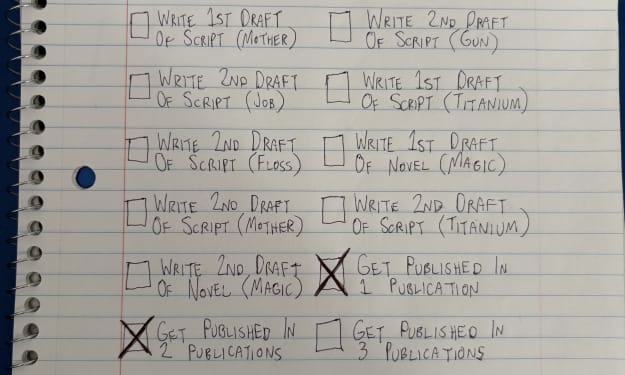
Early March 2026: 4 Goals Accomplished
It's early March and I've now accomplished my 4th writing goal for the year of 2026. Before diving into the behind-the-scenes of it... why not tell you up front what that accomplishment was? I was published in a 2nd publication for this year. Published in Helix Literary Magazine out of Central Connecticut State University. You can read it for free right now!
By Stephen Kramer Avitabile3 days ago in Writers



Comments
There are no comments for this story
Be the first to respond and start the conversation.