
Education 2.0 Conference Exposes Online Scams Targeting Educators & Shares Cyber Hygiene Practices
Explore how the Education 2.0 Conference is tackling scam offenses targeting students and educators by promoting cyber hygiene education and fraud awareness strategies.

You open your inbox and come across a message that reads, “Congratulations! You have been selected for a $10,000 research grant. No application required.” At first glance, it appears to be a remarkable opportunity. However, for many students, messages like these mark the beginning of a well-disguised scam. Fraudulent grant offers have become increasingly sophisticated, often utilizing official-looking websites, professional language, and personalized messaging to deceive students actively seeking financial support for their education or research.
This growing concern has captured the attention of educators, institutions, and policy leaders across the academic landscape. The education summit, such as the Education 2.0 Conference, has made it a priority to raise awareness about research grant fraud. In this blog, you will learn how to identify research grant scams, protect yourself from fraud, and find legitimate opportunities with greater confidence.
How Scammers Use Research Grants To Deceive Students
Scammers understand that students, especially those facing financial pressure, are more likely to fall for offers that promise “guaranteed funding,” “pre-approved awards,” or “exclusive scholarships.”
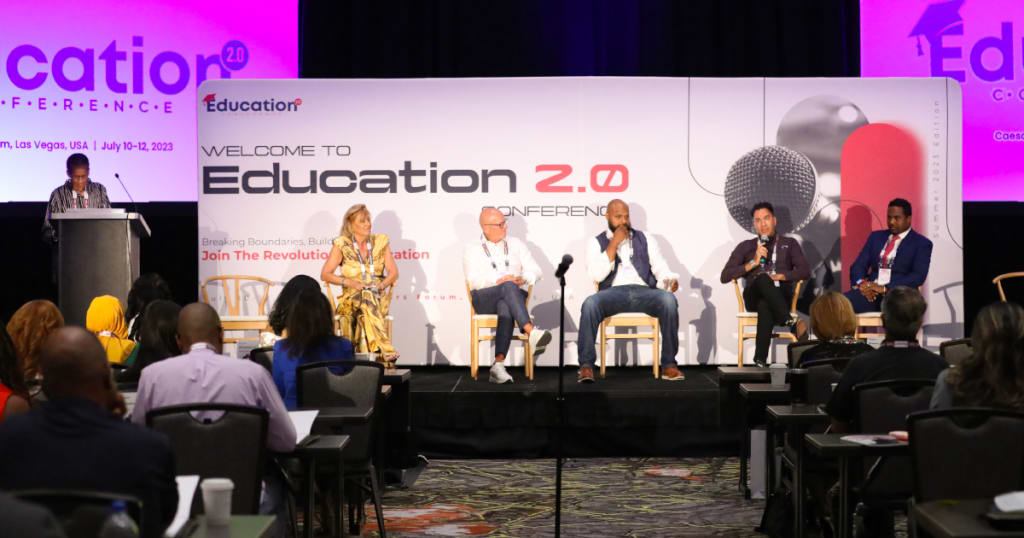
At a recent education conference, experts highlighted scam offenses that are growing more sophisticated. These scams now target both students and academic institutions.
Here’s how they work:
- Falsified Accreditation Claims:
Scam sites often mention affiliations with top-tier universities or international organizations. They may even show fake accreditations or link to dummy directories. As stressed at the Education 2.0 Conference, genuine grants always originate from verifiable, accredited sources.
- Stolen Logos And Seals:
Scammers often copy university logos or government seals to appear legitimate. Experts recommend cross-checking all visuals with official sources before taking any action.
- Too-Good-To-Be-True Offers:
Real grants don’t offer five-figure funding without rigorous selection. If a grant offers instant approval, it’s likely a scam.
- Premature Requests For Personal Info:
Any grant demanding your Social Security number, banking details, or identification before an acceptance letter is almost certainly fraudulent.
Common Tactics Used By Scammers
Scam tactics are evolving rapidly, and understanding how they operate can significantly impact your safety. These are some of the most common tricks used to mislead students:
- Urgent Language To Pressurize You
You might see messages like “Apply within 24 hours” or “Final call to secure your spot.” This sense of urgency is designed to prompt a rushed decision. Legitimate opportunities allow time for careful consideration.
- Requests For Upfront Fees
Whether disguised as processing charges or administrative costs, any demand for payment before receiving funding is a significant warning sign. Real programs do not require money to apply for or claim an award.
- No Clear Contact Information
If the grant website does not share phone numbers, office addresses, or staff names, proceed with caution. Always verify who is behind the offer before sharing any personal details.
- Unrealistic Promises Of Employment Or Perks
Be cautious if a grant promises guaranteed job placement or special benefits after completion. Authentic funding programs focus on your academic goals, not exaggerated perks.
- Little to No Application Requirements
Offers that skip academic transcripts, essays, or letters of recommendation should raise concern. Genuine opportunities have clear eligibility criteria and a selective review process.
A Growing Focus On Fraud Awareness
As funding scams continue to affect students, there is a growing effort within the academic community to raise awareness and share prevention strategies. Institutions, educators, and student advisors are collaborating to help applicants more effectively evaluate offers and avoid common pitfalls.
Current efforts include:
- Side-by-side examples of real and fake grant websites.
- Guidance on recognizing suspicious emails or vague communication.
- Clear steps for reporting questionable programs through campus channels.
This focus on transparency and education is helping students stay informed and cautious. At the upcoming education summit, several discussions will highlight how fraud offenses are impacting funding access and student trust. These efforts are also encouraging institutions to take a more active role in supporting safer application practices and guiding students toward verified opportunities.
Red Flags You Should Never Ignore
Insights from a past education conference and student testimonials have helped compile a reliable list of red flags that signal scam activity. If you spot any of the following, proceed with extreme caution:
- Upfront Fee Requests:
No legitimate grant program charges students to apply or “hold” their funding.
- Instant Approval Claims:
Grants are competitive by nature. If someone promises guaranteed success without verifying your qualifications, you’re being scammed.
- Poor Or Generic Communication:
Watch out for unprofessional emails, a lack of personalization, or language riddled with grammatical errors.
- Limited or No Online Presence:
If the institution or grant body has no verifiable history, published research, or student stories, it’s not worth your trust.
- Pressure to Act Quickly:
Fraud thrives on urgency. Real grant providers give you time to read terms, consult advisors, and apply with clarity.
Think Before You Click: Verifying Grant Offers The Right Way
You do not need to be an investigator to protect yourself. As highlighted in discussions at the education summit, understanding how scam tactics work and developing a few reliable habits can help you stay safe. Here are some key ways to verify whether a grant offer is genuine:
- Check Accreditation From Independent Sources
Don’t just trust logos or links on the provider’s site. Use national or international accreditation databases to confirm an institution’s standing.
- Search For Independent Reviews
Use platforms like Reddit, YouTube, or Trustpilot to hear what real students are saying. If you see repeated mentions of lost money or unanswered emails, steer clear.
- Look For A Digital Footprint
Legit programs have visibility—mentions on educational blogs, participation in education conferences, or verified social media profiles. If a grant seems invisible outside its own site, that’s a red flag.
- Request Full Program Details
Course outlines, past recipient stories, and selection criteria should all be transparent. If they aren’t provided, that’s your cue to walk away.
Turning Awareness Into Action Against Scam Offenses
From urgent emails to polished websites, scam offenses are becoming harder to spot—but not impossible. As this blog has outlined, recognizing the warning signs, asking the right questions, and conducting some extra research can help protect students from significant setbacks. The goal is not just to avoid losing money, but to stay focused on real, rewarding academic opportunities.
Awareness of scam offenses is gaining momentum, especially at an education summit, such as the Education 2.0 Conference, where fraud prevention is now a key topic of discussion. These conversations are equipping students, educators, and institutions with the tools they need to identify deceptive offers and pursue genuine support. As you move forward, let caution guide your curiosity, and let information be your most vigorous defense.
About the Creator
Education 2.0 Conference
A 3-day education event, Education 2.0 Conference, brings forth notable leaders from all over the world under one roof to network, collaborate, and discuss the issues and challenges of the sector while finding possible solutions.
Keep reading
More stories from Education 2.0 Conference and writers in Writers and other communities.
Education 2.0 Conference Discusses Ways To Protect Yourself From An Online Degree Scam
Thinking about enrolling in an online degree program? Guess what? You are not the only one! The flexibility of digital learning is appealing, but not every program you see is the real deal. With countless institutions offering online credentials, the risk of falling for a scam has become a growing concern for learners worldwide.
By Education 2.0 Conference11 months ago in Education



Comments
There are no comments for this story
Be the first to respond and start the conversation.