
Education 2.0 Conference Discusses Ways To Protect Yourself From An Online Degree Scam
Education 2.0 Conference Reveals How To Spot An Online Degree Scam


Thinking about enrolling in an online degree program? Guess what? You are not the only one! The flexibility of digital learning is appealing, but not every program you see is the real deal. With countless institutions offering online credentials, the risk of falling for a scam has become a growing concern for learners worldwide.
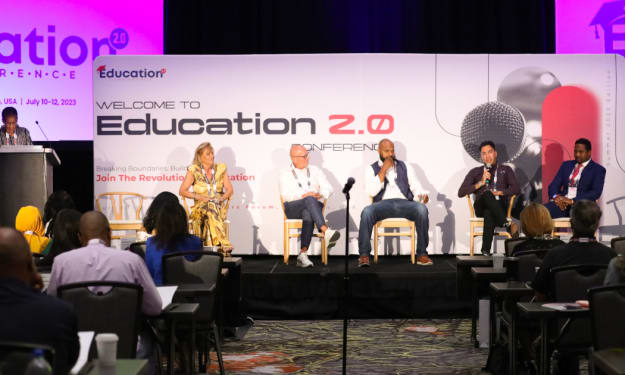
At the Education 2.0 Conference, thought leaders have shared how digital education has created both opportunities and vulnerabilities. One of the most pressing issues discussed was the rise in degree program scams and the importance of verifying legitimacy before enrolling.
This article will explore how to identify red flags, understand common online education scam offenses, verify legitimate programs, and stay protected with insights drawn from experts and education events.
Scam-Proof Yourself: Key Red Flags To Watch Out For
While some online programs are reputable, others offer fast-track degrees that require little to no coursework. Experts at the Education 2.0 Conference have highlighted how scammers often use phrases like “earn a degree in 30 days” or “no exams required” to lure students into fake programs.
Watch out for these signs that an online degree may not be legitimate:
- Missing Accreditation Info
If the website does not list its accreditation body, or the accrediting agency sounds unfamiliar, that’s a serious concern. Always verify accreditation through official education portals.
- Vague Faculty Listings
Legitimate programs provide detailed bios of instructors. If names, qualifications, or contact information are missing, the school may not be real.
- Instant Degree Promises
Degrees that require little or no coursework are unrealistic. These offers often come from diploma mills that sell you a fake certificate with no academic value.
- High-Pressure Enrollment Tactics
If you are being pushed to enroll immediately or offered a “limited-time discount,” take a step back. Real institutions give students time to decide.
Spotting these warning signs is just the first step. The next step is learning how these scam structures are built.
Online Degree Scam Offenses Exposed by Education 2.0 Experts
Online learning scams come in many forms. Diploma mills, for instance, sell degrees that look real but are entirely worthless. Some fraudulent websites even mimic the names of legitimate universities to appear credible.
These common types of scam offenses are often discussed by thought leaders during the education summit:
- Diploma Mills
These operations offer degrees with no actual coursework. They exist solely to take your money and provide a meaningless credential in return.
- Fake Accreditation Boards
Scammers create fake agencies that sound official but hold no real authority. These are used to convince students that the degree program meets accepted standards.
- Clone Websites
Some scam websites copy the design and branding of known universities. These pages are built to trick you into thinking you’re applying to a reputable school.
- Pay-First, Details-Later Tactics
If you're required to pay a large fee upfront before seeing the full course information, that’s a big warning sign. Reputable schools allow you to explore course offerings and admission criteria first.
Not all online programs are misleading. There are many credible, well-structured institutions offering quality education. It all comes down to recognizing the signs of a trustworthy program.
What Legitimate Programs Always Provide
A key point emphasized by experts at the education summit is that legitimacy begins with transparency. They openly share accreditation details from recognized agencies, provide access to course materials, and list qualified faculty members.
A legit online degree program will typically offer:
- Verified Accreditation
Real schools list accrediting bodies recognized by the US Department of Education or CHEA. You can cross-check this info on official education websites.
- Detailed Course Outlines
Legitimate institutions provide clear curriculum details, including learning outcomes, required materials, and assessment methods. You’ll know exactly what you’re signing up for.
- Qualified And Visible Instructors
Reputable programs introduce you to their faculty with bios, degrees, and professional experience. If you can’t find who will teach you, that’s not a good sign.
- Academic And Tech Support
Online schools offer consistent student support, including advisors, tech help, and tutoring. Scam programs rarely mention support services or do so vaguely.
During a panel at the Education 2.0 Conference, academic leaders broke down exactly how to distinguish a legit program from a well-disguised scam. Even with these indicators, doing your own verification is crucial. Knowing where and how to check adds another layer of protection before you enroll.
Simple Ways To Verify Before You Apply
Before committing to an online degree, take a few simple steps to make sure the program is legitimate.
- Start by verifying the institution’s accreditation through reliable, independent sources—credible schools are transparent about their credentials.
- It’s also wise to explore the school’s online presence. Look for genuine student reviews, active and trustworthy social media activity, and any mentions of scam reports in education watchdog publications.
- Together, these checks help you assess both the official status and the real-world reputation of a program.
- Equipping yourself with verification tools keeps you in control of your academic future. Now, let’s bring everything together and reflect on how to move forward confidently.
Stay Scam-Safe With Education Summit Insights!
With the rise of online degrees, the risk of falling for a scam is becoming more common, preying on learners looking for flexible learning options. At the Education 2.0 Conference, experts have shared how to identify these scam offenses, and it's clear that doing your homework is key. By checking accreditation, reading reviews, and verifying faculty information, you can avoid falling victim to a fraudulent program.
Armed with the insights from education events, you now have the tools to protect your future. Remember, your online learning journey should be empowering, not risky. So, take the time to verify, stay alert, and confidently choose a legitimate program that will set you up for success.
About the Creator
Education 2.0 Conference
A 3-day education event, Education 2.0 Conference, brings forth notable leaders from all over the world under one roof to network, collaborate, and discuss the issues and challenges of the sector while finding possible solutions.
Keep reading
More stories from Education 2.0 Conference and writers in Education and other communities.
Education 2.0 Conference Highlights The Power Of Digital Literacy For Student Success
Is the next generation ready to succeed in a world driven by technology? The digital space is full of opportunities, but students need more than just access. They must think critically, assess information, and communicate effectively to thrive in this fast-changing environment.
By Education 2.0 Conference9 months ago in Education
Fuel for the Soul: How to Unlock Motivation and Purpose in Life and Work
Motivation and purpose are not just words. They are the invisible forces that push us to get out of bed, face challenges, and keep going even when life feels hard. Without them, days can feel empty, and tasks can seem meaningless. With them, everything changes. We feel alive, driven, and ready to grow.
By Philip Raymond Baquie6 days ago in Education
Why Do Wormholes Require Exotic Matter? Exploring the Physics Behind Spacetime Tunnels
What Is a Wormhole? A Brief Overview In general relativity, gravity is not a force but a consequence of curved spacetime. Massive objects distort spacetime, guiding the motion of matter and light.
By shahkar jalal4 days ago in Education


Comments
There are no comments for this story
Be the first to respond and start the conversation.