
Edible vs. Inedible Berries: Knowing the Difference
Edible Berries
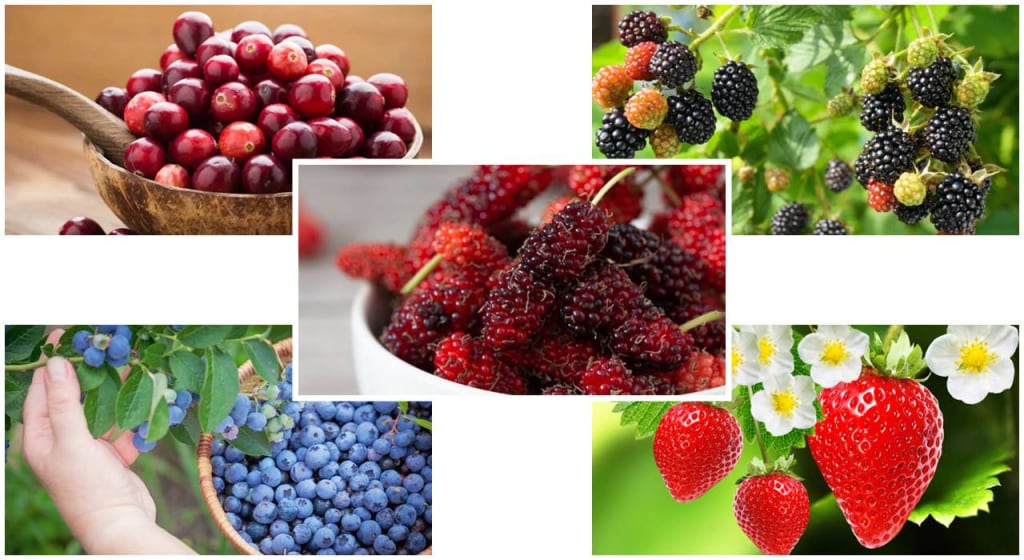
Distinguishing between edible and inedible berries can be crucial for your safety, as some berries can be poisonous or cause adverse reactions if consumed. Here are some guidelines to help you identify the difference:
Accuracy and Expertise: It is essential to consult reliable and expert sources, such as field guides or local botanists, to accurately identify berries in your specific region. Local conditions and variations in species can affect their edibility.
Color and Appearance: While color alone is not a definitive indicator, many edible berries tend to be brightly colored when ripe, such as red, blue, purple, or black. However, this is not a universal rule, so other factors should be considered alongside color.
Growth Habit and Plant Characteristics: Understanding the growth habits and overall appearance of the berry plant can aid in identification. Familiarize yourself with the foliage, stem, flowers, and other distinguishing features of both the berry and the plant itself.
Clusters and Arrangement: Observe the arrangement of berries on the plant. Some edible berries grow in clusters or bunches, while others may grow individually. Look for patterns or specific arrangements that can help you identify the species.
Texture and Shape: Examine the texture and shape of the berries. Edible berries often have a pleasing texture, such as being juicy or pulpy. However, this can vary among different species, so it is not a foolproof method of identification.
Scent: Some edible berries have a pleasant aroma, while others may lack any distinctive smell. However, relying solely on scent is not reliable for determining edibility.
Knowledge of Toxic Species: Be aware of toxic or poisonous berry species in your region. Learn to identify common toxic berries and familiarize yourself with any look-alike species that might be mistaken for edible berries. This knowledge is crucial for your safety.
Trial and Error: Unless you are absolutely certain about the edibility of a berry, it is best to avoid consuming unfamiliar species. Even small quantities of certain toxic berries can have severe consequences. Engaging in trial and error is not recommended without proper expertise.
Remember, this is just a general guide, and it is important to consult local resources or experts who have specific knowledge about the berries in your area.
There are several berries that are commonly eaten in everyday life due to their widespread availability, safety, and nutritional value. Here are some examples of berries that are typically considered safe and enjoyable for consumption:
Strawberries: Strawberries are widely popular and are often consumed fresh or used in various dishes, such as desserts, smoothies, and salads.
Blueberries: Blueberries are rich in antioxidants and are commonly eaten fresh, added to cereals, yogurt, or baked goods like muffins and pancakes.
Raspberries: Raspberries are delicate and flavorful berries often eaten fresh, added to fruit salads, used in jams, or incorporated into desserts.
Blackberries: Blackberries are known for their slightly tart and sweet flavor. They are enjoyed fresh, used in baking, or added to jams and preserves.
Cranberries: Cranberries are commonly consumed in the form of juice, sauces, or dried. They are tart and are often used in holiday dishes or as a garnish.
Mulberries: Mulberries come in various colors, including black, red, and white. They can be eaten fresh, dried, or used in jams, jellies, and baked goods.
Elderberries: Elderberries are commonly used for making jams, jellies, and syrups. They are also found in some herbal teas and dietary supplements.
Gooseberries: Gooseberries are tart berries often used in pies, tarts, and desserts. They can be consumed fresh or cooked.
There are several berries that are commonly eaten in everyday life due to their widespread availability, safety, and nutritional value. Here are some examples of berries that are typically considered safe and enjoyable for consumption:
Strawberries: Strawberries are widely popular and are often consumed fresh or used in various dishes, such as desserts, smoothies, and salads.
Blueberries: Blueberries are rich in antioxidants and are commonly eaten fresh, added to cereals, yogurt, or baked goods like muffins and pancakes.
Raspberries: Raspberries are delicate and flavorful berries often eaten fresh, added to fruit salads, used in jams, or incorporated into desserts.
Blackberries: Blackberries are known for their slightly tart and sweet flavor. They are enjoyed fresh, used in baking, or added to jams and preserves.
Cranberries: Cranberries are commonly consumed in the form of juice, sauces, or dried. They are tart and are often used in holiday dishes or as a garnish.
Mulberries: Mulberries come in various colors, including black, red, and white. They can be eaten fresh, dried, or used in jams, jellies, and baked goods.
Elderberries: Elderberries are commonly used for making jams, jellies, and syrups. They are also found in some herbal teas and dietary supplements.
Gooseberries: Gooseberries are tart berries often used in pies, tarts, and desserts. They can be consumed fresh or cooked.
Read our site https://ideberries.com
About the Creator
Keep reading
More stories from writers in Writers and other communities.
Early March 2026: 4 Goals Accomplished
It's early March and I've now accomplished my 4th writing goal for the year of 2026. Before diving into the behind-the-scenes of it... why not tell you up front what that accomplishment was? I was published in a 2nd publication for this year. Published in Helix Literary Magazine out of Central Connecticut State University. You can read it for free right now!
By Stephen Kramer Avitabile4 days ago in Writers
Common Challenges in Microsoft Dynamics Implementation and How Partners Solve Them
Implementing Microsoft Dynamics 365 can transform the way organizations manage operations, customer relationships, and data-driven decision-making. However, like most enterprise platforms, implementing Dynamics 365 comes with its own set of challenges. Businesses often struggle with system complexity, data migration, customization decisions, and user adoption.
By Lilly Scott5 days ago in Writers




Comments
There are no comments for this story
Be the first to respond and start the conversation.