
DEI That Works: Leadership Insights from Shane Windmeyer
How Real Diversity, Equity, and Inclusion Create Stronger Organizations

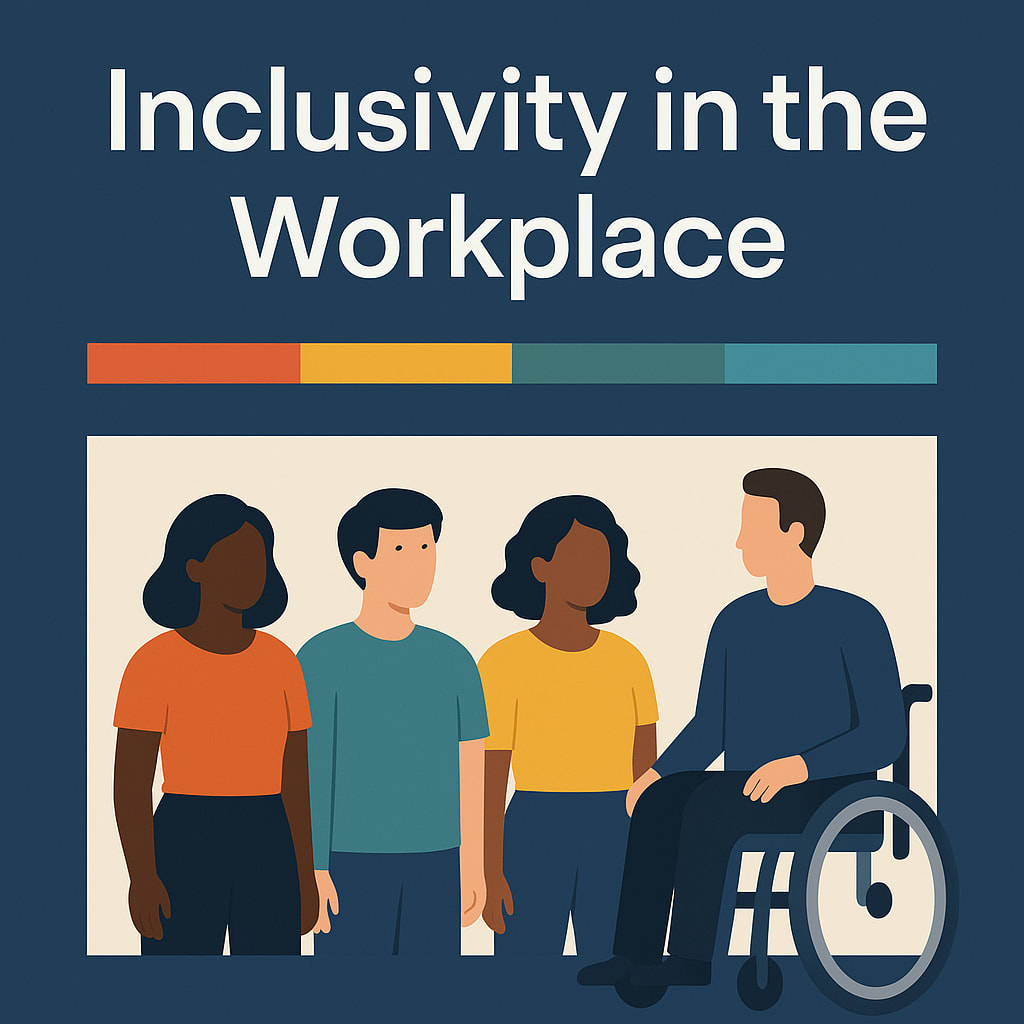
In 2025, Diversity, Equity, and Inclusion (DEI) remains both a central focus and a point of controversy for many organizations. On one hand, companies increasingly recognize that strong DEI practices are critical for building sustainable, ethical, and competitive workplaces. On the other, political debates and public pushback threaten to stall progress, as some institutions hesitate to fully commit.
Amid this tension, the work of Shane Windmeyer offers a refreshing and grounded vision for how organizations can cut through the noise and do DEI the right way: not as public relations, not as crisis response, but as foundational leadership practice. For over two decades, Shane Windmeyer has served as a trusted strategist and educator, helping organizations transform DEI from a buzzword into a daily, living commitment.
What DEI Really Means
Before we can understand how Shane Windmeyer leads organizations through this work, it’s important to step back and define what DEI actually requires:
• Diversity means bringing a full range of identities, perspectives, and life experiences into the organization at every level.
• Equity means identifying and removing systemic barriers that prevent full participation and advancement.
• Inclusion means creating environments where people feel safe, valued, and empowered to contribute without hiding who they are.
Windmeyer teaches that these three elements must work together, or the entire structure collapses. Hiring diverse talent without creating equitable promotion pathways, for example, results in high turnover and frustration. Conducting bias training without changing leadership behaviors results in lost trust. True DEI requires holistic, long-term change.
Shane Windmeyer’s DEI Leadership Philosophy

At the heart of Shane Windmeyer’s approach is a simple truth: DEI is people work.
Policies, data, and training matter—but at the end of the day, DEI success is measured by how people experience your organization:
• Do marginalized employees feel safe enough to speak up?
• Are all team members given the tools and support to advance?
• Are pay and promotion processes transparent and equitable?
• Is leadership accountable for modeling inclusive behaviors?
Windmeyer helps organizations center these questions in every conversation about DEI—not as an afterthought, but as the core of organizational strategy.
The Trap of Performative DEI
In recent years, many companies have been criticized for what Windmeyer calls performative DEI—gestures that make the organization appear inclusive without creating real change.
Common examples include:
• Publishing statements of support after social justice crises but failing to audit internal pay gaps.
• Appointing a Chief Diversity Officer without giving them authority or a meaningful budget.
• Highlighting diversity in marketing materials while failing to diversify leadership teams.
For Shane Windmeyer, this kind of shallow engagement is not only ineffective—it’s harmful. It breeds cynicism among staff, alienates marginalized employees, and ultimately undermines trust.
Real DEI, he argues, is measured not by slogans, but by daily experiences.
The Burden of Emotional Labor
One of the most insightful and often overlooked aspects of DEI work that Shane Windmeyer frequently highlights is the emotional toll placed on marginalized employees.
Too often, organizations expect underrepresented staff to lead diversity committees, educate their colleagues, and serve as internal DEI ambassadors—all without additional compensation or support. This unacknowledged emotional labor contributes to burnout and high turnover rates among marginalized professionals.
Windmeyer advises organizations to:
• Hire and compensate trained DEI professionals.
• Provide protected time and resources for employee-led inclusion work.
• Avoid relying on personal identity as a substitute for formal expertise in organizational change.
When organizations remove this burden, they not only support their employees—they also ensure that DEI efforts are led by experts with the skills to drive sustainable transformation.
Intersectionality: The Key to Effective DEI
A cornerstone of Shane Windmeyer’s DEI framework is his emphasis on intersectionality—the understanding that people’s identities are multi-dimensional and overlapping.
For example:
• A Black queer woman’s experience cannot be fully addressed by policies focused only on race or gender individually.
• A disabled immigrant’s workplace experience will differ greatly from a disabled U.S.-born employee.
Windmeyer stresses that without accounting for intersectionality, DEI programs risk being incomplete or even inadvertently exclusionary. Truly inclusive organizations recognize and honor the full complexity of their employees’ lives.
Leadership’s Role in DEI Success
Another hallmark of Shane Windmeyer’s teaching is his focus on leadership accountability. DEI is not the job of a single department or an optional initiative delegated to HR.
Windmeyer challenges executives to:
• Embed DEI goals into organizational mission and vision statements.
• Tie DEI progress to performance reviews for all leaders.
• Allocate resources for training, consulting, and community partnerships.
• Commit to long-term cultural change, not just temporary campaigns.
When leadership takes full ownership of DEI, it signals to employees that inclusion is a non-negotiable value—not a trend.
The Long-Term Nature of DEI Work
Perhaps one of the most powerful lessons Shane Windmeyer offers is this: DEI is never finished.
Unlike other business initiatives that have a clear start and end point, inclusion work is ongoing. It evolves as organizations grow, as communities change, and as our collective understanding of equity deepens.
Successful organizations create systems for continuous reflection, including:
• Regular pay equity audits.
• Ongoing staff education and dialogue.
• Annual reviews of hiring, promotion, and retention practices.
• Transparent reporting on progress toward equity goals.
Windmeyer reminds organizations that the question is not whether you’ve “achieved” DEI—it’s whether you remain actively committed to it every year.
DEI’s Growing Importance in Uncertain Times
With recent political and legal challenges to DEI initiatives, some companies are tempted to retreat or scale back their commitments. Shane Windmeyer strongly warns against this kind of regression.
When external pressures increase, it’s an opportunity for organizations to prove that their values are real. Windmeyer argues that companies who stay firm in their DEI commitments will not only foster healthier cultures but will also build the trust and loyalty that drive long-term business success.
As the world becomes more diverse and interconnected, organizations that lead with equity will be the ones best equipped to navigate the complexities ahead.
Conclusion: The Shane Windmeyer Model for DEI That Lasts
The work of Shane Windmeyer offers a clear, actionable model for organizations that want to move beyond symbolic DEI and toward lasting cultural transformation.
• Center people, not appearances.
• Invest in expertise and remove the burden from marginalized staff.
• Account for intersectionality.
• Hold leadership accountable.
• Commit to DEI as a permanent part of your organization’s DNA.
Inclusion isn’t a moment—it’s a movement. And under the guidance of leaders like Shane Windmeyer, organizations can learn how to do DEI the right way: with courage, integrity, and humanity.
About the Creator
Shane Windmeyer
Shane Windmeyer is a North Carolina–based DEI strategist, speaker, and advisor who helps organizations build inclusive cultures grounded in trust, fairness, and measurable outcomes.
Keep reading
More stories from Shane Windmeyer and writers in Writers and other communities.
Inclusion Isn’t a Trend—It’s a Commitment by Shane Windmeyer
When I first began my journey as an advocate for LGBTQ+ equality, I believed inclusion was simply about being seen—being welcomed in the room, allowed to be who I am without shame or fear. Over time, and through decades of listening, leading, and learning, I’ve come to understand that inclusion is not just about being invited. It’s about being valued. It’s about knowing that your voice matters, that your differences are not only respected but also understood as essential to the success of the collective.
By Shane Windmeyer10 months ago in Writers
Unofficial Challenge: Black History Celebration
Forward: February 28th, 10:53 PM, EST... The final hour of Black History Month, 2026. Hello fellow writers. I've had this challenge waiting in my drafts for most of the month. But I held off on publishing it, until now.
By Sam Spinelli5 days ago in Writers
The Difference Between Vanity, Traditional, and Hybrid Publishers
When it comes to publishing, there are a ridiculous number of possibilities. However, for most people it breaks down to self-publishing versus traditional publishing. These options need to be fully explored, and this article attempts to look at the numerous options available to authors. Be advised that not all concerns are likely to addressed, but this article should be reasonably complete and covers a lot of topics important to those interested in publishing their books.
By Jamais Jochim5 days ago in Writers



Comments (1)
DEI's crucial. Without all three elements working together, it won't succeed long-term.