
Data Science vs Machine Learning: Understanding the Differences and Future Opportunities
Conclusion: Data Science vs Machine Learning

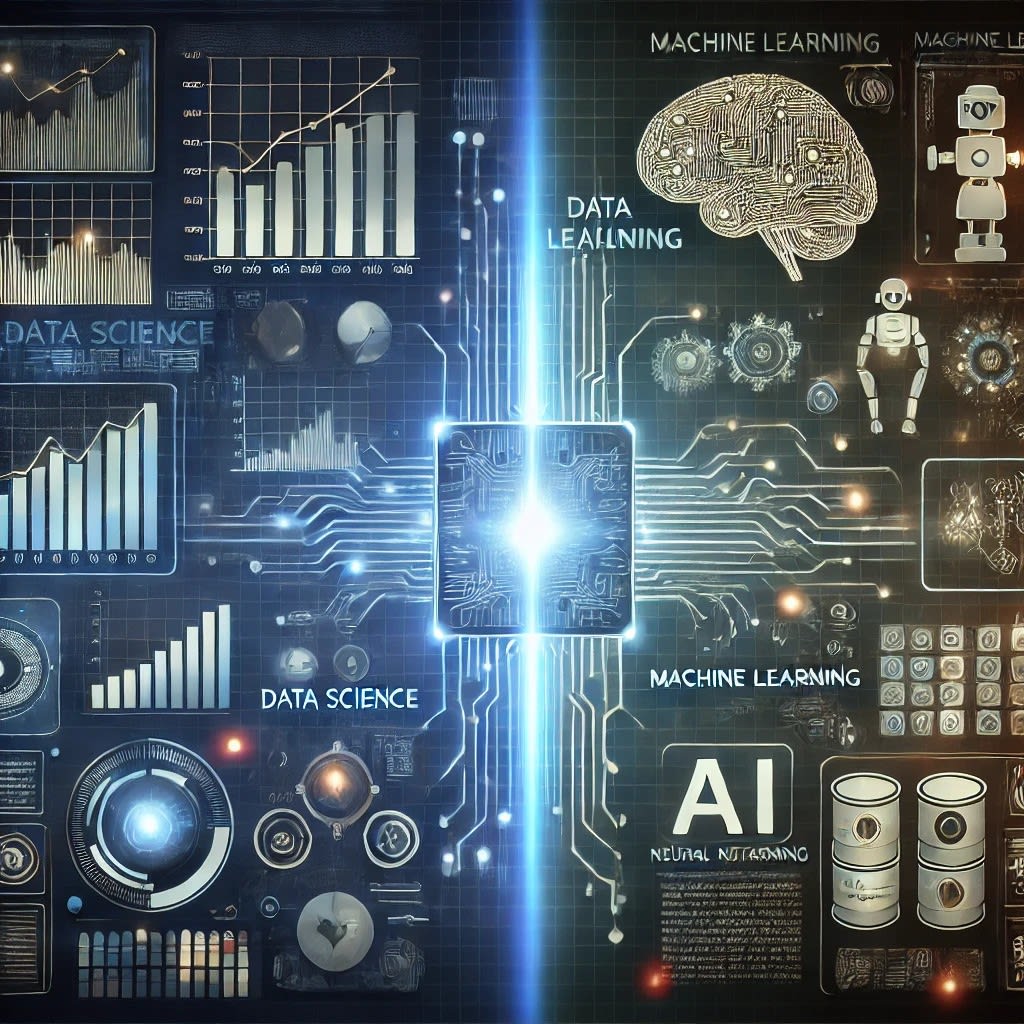
In the world of technology, Data Science and Machine Learning are two of the most talked-about fields. Both are shaping the future of industries, from healthcare to finance, and even entertainment. But what exactly are they? How do they differ? And which one should you focus on for a successful career? Let’s dive into the details and explore these questions in simple, easy-to-understand terms.
What is Data Science?
Data Science is a broad field that involves extracting insights from data. It combines statistics, programming, and domain expertise to analyze and interpret complex data sets. Think of it as solving puzzles—data scientists collect, clean, and analyze data to find patterns and make informed decisions.
For example, a data scientist might analyze customer behavior to help a company improve its marketing strategies. They use tools like Python, R, and SQL, along with visualization tools like Tableau, to present their findings in a way that’s easy to understand.
What is Machine Learning?
Machine Learning (ML), on the other hand, is a subset of Data Science. It focuses on building algorithms that allow computers to learn from data and make predictions or decisions without being explicitly programmed. In simpler terms, machine learning teaches machines to "think" and improve over time.
For instance, Netflix uses machine learning to recommend movies based on your viewing history. Similarly, self-driving cars use ML algorithms to recognize objects and make driving decisions.
Key Differences Between Data Science and Machine Learning
While Data Science and Machine Learning are closely related, they are not the same. Here’s a breakdown of their key differences:
1. Scope
Data Science is a broader field that includes data cleaning, analysis, visualization, and decision-making.
Machine Learning is a specialized area within Data Science that focuses on creating predictive models.
2. Goal
The goal of Data Science is to extract insights and solve business problems using data.
The goal of Machine Learning is to build systems that can learn and improve from experience.
3. Tools and Techniques
Data Science uses tools like Python, R, SQL, and Tableau for data analysis and visualization.
Machine Learning relies on algorithms like decision trees, neural networks, and support vector machines to train models.
4. Applications
Data Science is used in areas like market research, fraud detection, and customer segmentation.
Machine Learning powers applications like voice assistants, recommendation systems, and image recognition.
Which is Better: Data Science or Machine Learning?
The question of which is better—Data Science or Machine Learning—depends on your interests and career goals. Here’s a quick comparison to help you decide:
Choose Data Science If:
- You enjoy working with data and solving real-world problems.
- You have strong analytical and statistical skills.
- You want a broader role that involves data analysis, visualization, and decision-making.
Choose Machine Learning If:
- You are passionate about artificial intelligence and building predictive models.
- You have a strong background in mathematics and programming.
- You want to specialize in creating algorithms that enable machines to learn.
- Both fields are highly rewarding, so the "better" choice depends on what excites you more.
Which Has a Better Future: Data Science or Machine Learning?
The future of both Data Science and Machine Learning looks incredibly promising. Here’s why:
Future of Data Science
- Growing Demand: With the rise of big data, companies need data scientists to make sense of the vast amounts of information they collect.
- Versatility: Data Science is applicable across industries, from healthcare to finance, making it a versatile career choice.
- Continuous Evolution: As technology advances, new tools and techniques will keep the field dynamic and exciting.
Future of Machine Learning
- AI Revolution: Machine Learning is at the heart of artificial intelligence, which is transforming industries like healthcare, transportation, and entertainment.
- Automation: As businesses strive for efficiency, ML-powered automation will become increasingly important.
- Innovation: Breakthroughs in deep learning and neural networks are pushing the boundaries of what machines can do.
In short, both fields have a bright future. However, Machine Learning might have a slight edge due to its role in advancing AI technologies.
How to Get Started in Data Science or Machine Learning
If you’re interested in pursuing a career in either field, here are some steps to get started:
For Data Science:
- Learn programming languages like Python or R.
- Master data analysis and visualization tools like Pandas, Matplotlib, and Tableau.
- Study statistics and probability to understand data patterns.
- Work on real-world projects to build your portfolio.
For Machine Learning:
- Strengthen your math skills, especially in linear algebra and calculus.
- Learn programming languages like Python and libraries like TensorFlow and Scikit-learn.
- Understand the fundamentals of algorithms and neural networks.
- Practice by building ML models and participating in competitions like Kaggle.
Conclusion:
Both Data Science and Machine Learning are incredible fields with immense potential. Data Science offers a broader approach to solving problems using data, while Machine Learning focuses on creating intelligent systems that can learn and adapt.
About the Creator
FiveRivers Technologies
FiveRivers Technologies enjoys its reputation as a leading custom software and AI development company with 20 years of experience working with partners from all over the world.
Keep reading
More stories from FiveRivers Technologies and writers in Writers and other communities.
IT Outsourcing Services: Transforming Business Operations
What Are IT Outsourcing Services? IT outsourcing involves delegating certain IT functions to external service providers rather than managing them in-house. These services can range from software development and IT infrastructure management to technical support and cybersecurity. By partnering with skilled vendors, businesses can focus on their core activities while ensuring their IT needs are met professionally.
By FiveRivers Technologiesabout a year ago in Writers
Copywriter Meaning, Responsibilities, Skills & How to Become One in 2026
In 2026, the word copywriter carries more weight than ever before. What once referred mainly to someone who wrote advertisements has evolved into a profession that sits at the center of business growth, digital influence, and brand trust. In a world saturated with content, copywriters are no longer just writers; they are strategic communicators who shape how people think, feel, and act.
By Sathish Kumar 6 days ago in Writers



Comments
There are no comments for this story
Be the first to respond and start the conversation.