
Choosing the Right Static Shielding Bags: A Comprehensive Guide
Choosing the Right Static Shielding Bags: A Comprehensive Guide

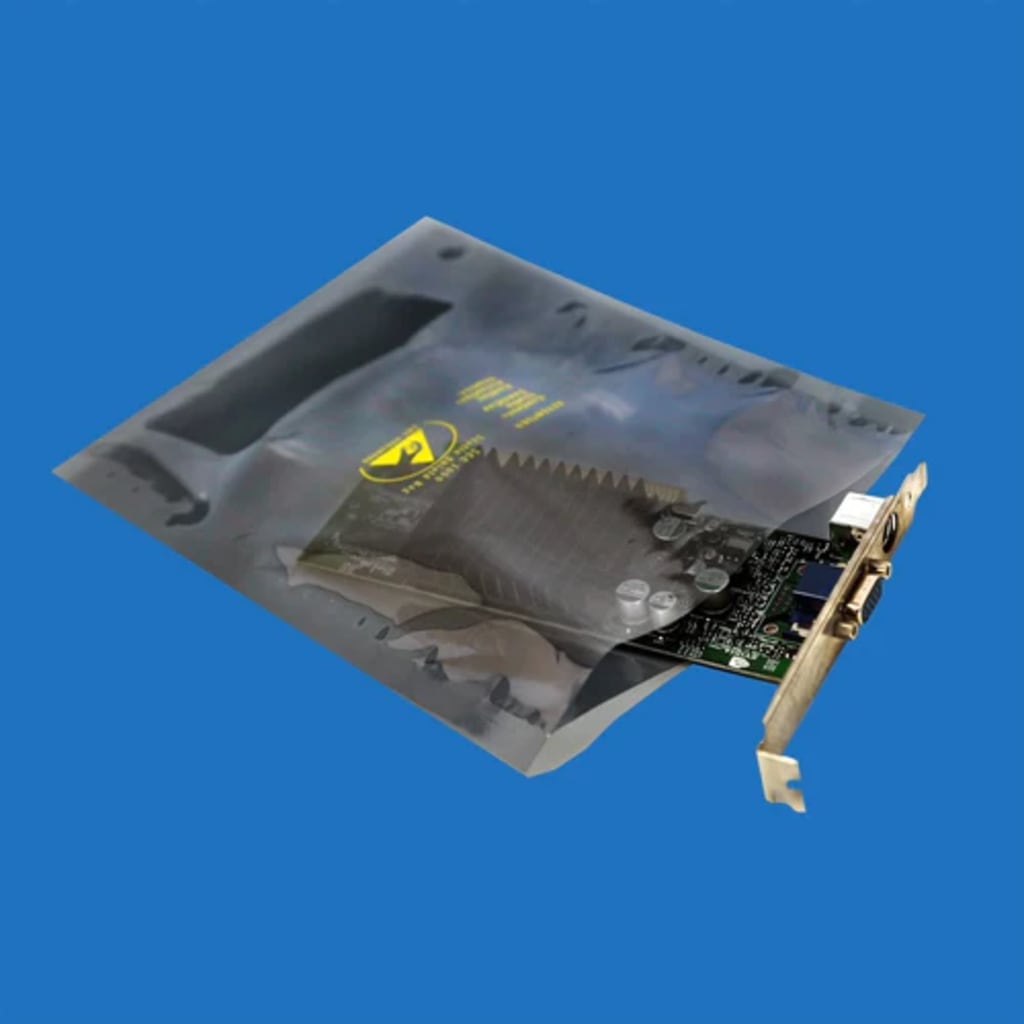
In today's world, the protection of electronic components from electrostatic discharge (ESD) is crucial. Static electricity can cause irreversible damage to sensitive electronics, leading to costly repairs or replacements. That's why investing in static shielding bags is essential to safeguard your electronics during storage and transportation. In this comprehensive guide, we will explore the importance of static shielding bags and provide valuable insights on how to choose the right ones for your specific needs.
1. Understanding Electrostatic Discharge (ESD):
Electrostatic discharge is the sudden flow of electricity between two objects of different electrical potentials. This discharge can occur when there is a buildup of static electricity on an object or when two objects come into contact and have different charge levels. Electronic components, such as integrated circuits, microchips, and circuit boards, are highly sensitive to ESD. Even a small amount of static electricity can cause severe damage, leading to malfunctions or complete failure of electronic devices.
2. The Role of Static Shielding Bags:
Static shielding bags, also known as ESD bags, are designed to protect electronic components from ESD. These bags are made with multiple layers of specialized materials that provide a barrier against electrostatic fields. The inner layer consists of a metalized static shield, while the outer layer is typically made of a durable polyethylene material. This combination creates a shield that prevents static electricity from entering the bag, effectively safeguarding the contents from potential damage.
3. Factors to Consider When Choosing Static Shielding Bags:
a. Size: Choosing the right size of static shielding bags is crucial to ensure proper fit and protection for your electronics. Consider the dimensions of your components and select bags that provide ample space for the items to be stored without any risk of contact or pressure on the circuitry.
b. Level of Protection: Static shielding bags come in different levels of protection, typically measured by their discharge shielding capabilities. It is essential to understand the level of protection required for your specific electronic components. Refer to industry standards or consult with the manufacturer to determine the appropriate discharge shielding requirement for your electronics.
c. Transparency: Some static shielding bags come with a transparent window, allowing visual inspection of the contents without the need to open the bag. This can be beneficial for inventory management and quick identification of components, especially in a production or storage environment.
d. Closure Mechanism: Static shielding bags commonly feature a zip lock or adhesive closure mechanism. Consider the ease of use of the closure system and whether it provides a secure seal. Zip lock closures are convenient for frequent access to the contents, while adhesive closures offer a more permanent seal.
e. Surface Resistance: Surface resistance is an important parameter to consider when selecting static shielding bags. It measures the ability of the bag to dissipate static charges. Lower surface resistance indicates better conductivity and greater protection against ESD.
4. Additional Features and Considerations:
a. Moisture Barrier: Some static shielding bags incorporate a moisture barrier layer to protect against humidity and moisture damage. This feature is particularly useful for components that are sensitive to moisture, such as integrated circuits.
b. Protective Labeling: Look for static shielding bags that provide a designated space for labeling or writing important information. This ensures proper identification and tracking of the contents, enhancing organizational efficiency.
c. Compliance with Standards: Consider static shielding bags that meet industry standards, such as ANSI/ESD S20.20, to ensure that your packaging solution offers the necessary level of protection for your electronic components.
Conclusion:
Choosing the right static shielding bags is crucial for protecting your valuable electronic components from electrostatic discharge. By understanding the importance of ESD and considering factors such as size, level of protection, transparency, closure mechanism, surface resistance, and additional features, you can make informed decisions when selecting static shielding bags.
About the Creator
Elements Supply
Welcome.
Keep reading
More stories from Elements Supply and writers in Writers and other communities.
Choosing the Right Static Shielding Bags: A Comprehensive Guide
In today's world, the protection of electronic components from electrostatic discharge (ESD) is crucial. Static electricity can cause irreversible damage to sensitive electronics, leading to costly repairs or replacements. That's why investing in static shielding bags is essential to safeguard your electronics during storage and transportation. In this comprehensive guide, we will explore the importance of static shielding bags and provide valuable insights on how to choose the right ones for your specific needs.
By Elements Supply2 years ago in Writers
Average Cost of 2D Animation Outsourcing Projects
Outsourcing 2D animation allows businesses to create explainer videos, ads, onboarding content, and product demos without building an in-house team. In the US market, pricing varies based on animation style, complexity, and production scope.
By Leo Johnsonabout 12 hours ago in Writers
Standing While Falling
Quotation from Friedrich Nietzsche "He who wrestles long with monsters should beware lest he himself become a monster. And if you gaze long into an abyss, the abyss also gazes into you. Man is not destroyed by suffering, but by the meaning he makes of it."
By LUCCIAN LAYTH6 days ago in Critique




Comments
There are no comments for this story
Be the first to respond and start the conversation.