
Choosing the Right Specialist: Insomnia or Neurological Issues?
Manvir Bhatia

When you’re dealing with sleepless nights or unexplained health issues, it’s natural to feel overwhelmed about where to turn. Should you visit a sleep specialist, or do you need a neurologist? Understanding your symptoms and knowing which specialist to consult can save you time and ensure you receive the best care.
Understanding Insomnia
Insomnia is more than just trouble falling or staying asleep. It can leave you feeling exhausted, irritable, and unfocused during the day. For some, insomnia is temporary, triggered by stress or changes in routine. But for others, it becomes a chronic problem, impacting their mental and physical health.
Dr. Manvir Bhatia, a renowned neurologist and sleep specialist in Delhi, explains,
"Insomnia is often a signal that something deeper is affecting your sleep. It might be related to stress, anxiety, or an underlying medical condition. The key is to identify and address the root cause rather than just managing the symptoms."
If you’ve been struggling with insomnia for more than a few weeks, it’s time to seek help from a sleep specialist. These experts can perform detailed evaluations, including sleep studies, to understand what’s disrupting your rest and develop a treatment plan tailored to you.
Neurological Issues: When to See a Neurologist
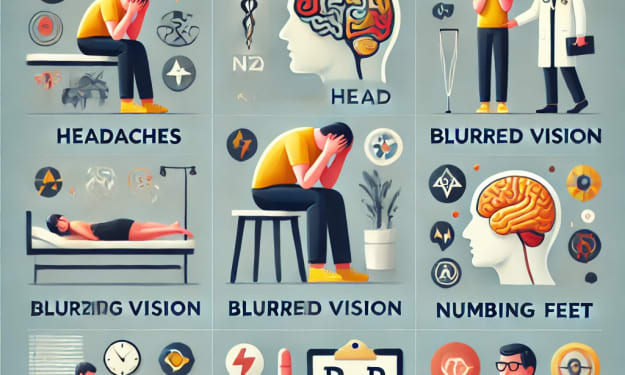
Neurological disorders affect the brain, spine, and nervous system, leading to symptoms like:
- Chronic headaches or migraines
- Tingling or numbness in the limbs
- Muscle weakness or tremors
- Memory problems or confusion
Dr. Bhatia emphasizes that these symptoms should never be ignored. She shares,
"Neurological symptoms can start small but may signal more serious conditions if left untreated. For example, chronic headaches might indicate migraines, but they can also be linked to nerve compression or other underlying issues."
A neurologist can conduct tests such as MRIs, EEGs, or nerve conduction studies to diagnose conditions and provide effective treatment.
Overlap Between Sleep and Neurology
Sometimes, the line between sleep and neurological issues can blur. For example:
Sleep disorders like sleep apnea can lead to fatigue and brain fog, mimicking neurological problems.
Neurological conditions like Parkinson’s disease or multiple sclerosis can interfere with sleep quality.
Dr. Bhatia points out,
"The connection between sleep and neurology is complex. Poor sleep can worsen neurological conditions, while untreated neurological problems can disrupt sleep. This is why it’s essential to choose a specialist who understands both fields."
Her dual expertise as a neurologist and sleep specialist allows her to address such overlapping issues comprehensively, providing patients with holistic care.
How to Decide Which Specialist to Consult
Start with Your Symptoms
If your main concern is difficulty sleeping, consult a sleep specialist.
If you’re experiencing other symptoms like headaches, numbness, or muscle weakness, see a neurologist.
Consider the Duration and Impact
Short-term sleep problems might resolve with simple lifestyle changes. Chronic insomnia or persistent neurological symptoms require professional help.
Look for an Expert Who Can Address Both
Specialists like Dr. Manvir Bhatia are trained to handle both sleep and neurological issues. Her experience ensures that even complex cases are diagnosed accurately and treated effectively.
A Message of Hope
Dealing with insomnia or neurological problems can feel isolating, but help is available. Dr. Bhatia shares,
"I’ve seen patients regain their quality of life after years of suffering. The right diagnosis and treatment can transform lives, restoring not just health but confidence and peace of mind."
Take the first step by reaching out to an experienced specialist. Your health and well-being are worth it.
About the Creator
Keep reading
More stories from Dr manvir bhatia and writers in Writers and other communities.
Signs You Should Visit a Neurological Disorder Doctor in Delhi
Neurological conditions can significantly affect a person's quality of life, and early intervention is key to better management. Recognizing the signs early and consulting a neurological disorder doctor can help prevent complications. Below are some of the signs you should analyse in your Body
By Dr manvir bhatiaabout a year ago in Writers
It's Winter
Anne Bernays and Pamela Painter — What If? Writing Exercise for Fiction Writers prompts The Exercise —Write a scene involving two characters. Have the point-of-view character presume something entirely different about the situation from what the other character's overt behavior seems to imply. For example, a landlord comes to visit, and the tenant suspects that it isn't a visit but an inspection. Make up several situations in which one character can fantasize or project or suspect or even fear what another character is thinking. The Objective - To show how your characters can use their imaginations to interpret the behavior and dialogue of other characters.
By Denise E Lindquist18 days ago in Writers
Where Dreams Loved Me Back
chapter 1 Chapter One: The Quiet I Learned to Carry Matthew’s perspective, I don’t remember when life started feeling heavy. It wasn’t sudden — it was gradual, like carrying a bag that someone kept adding weight to until one day I realized I couldn’t put it down anymore.
By Anshu Giri4 days ago in Writers
How, Too
Many people wonder how, too. You are not alone, and I am an expert. I will teach you how, too! First, you need to remit a small application fee and fill out an application describing the nature of your financial situation and how often payments will be made, as this will have great bearing on how well I teach you how, too.
By Harper Lewis4 days ago in Fiction



Comments (2)
thanks for your kind words
Good recommendations! Good to know!