
Choosing the Right Cable Accessories for Safe and Efficient Solar Installations
Learn about the crucial role of cable accessories in solar power systems. Discover how to select the right accessories to ensure optimal performance, safety, and longevity of your solar installation

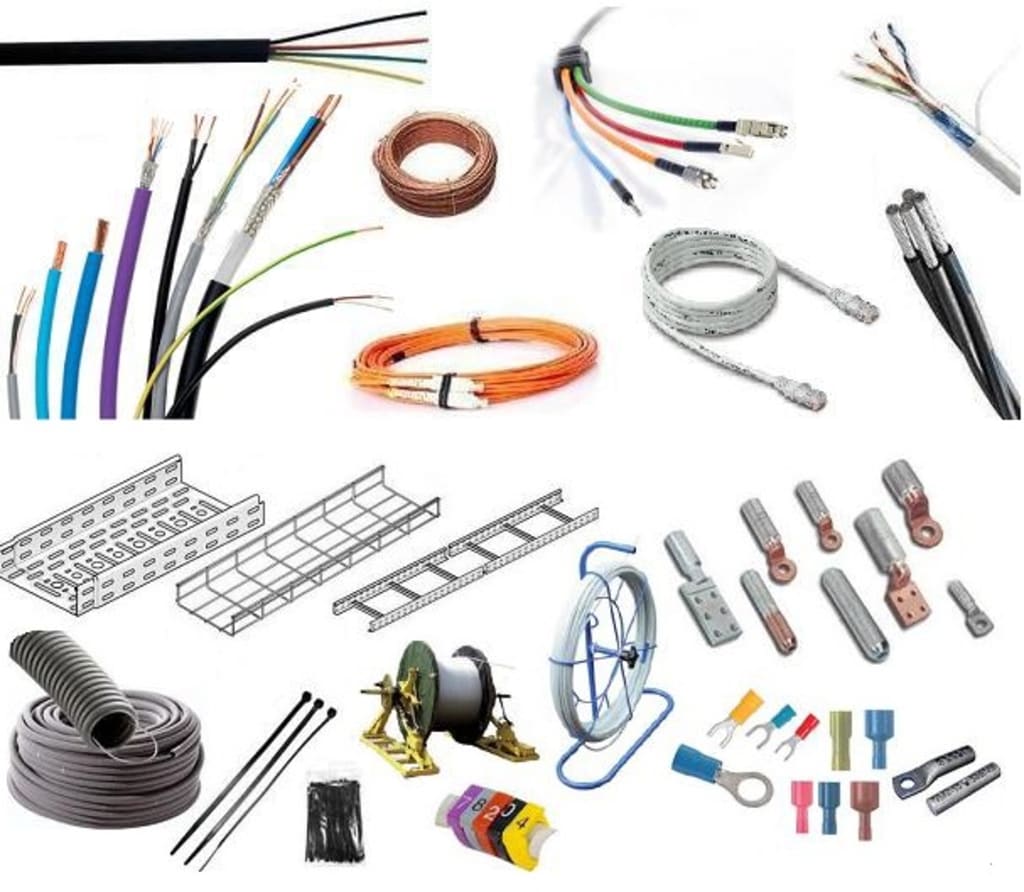
While solar panels are the heart of a solar power system, the cables and accessories that connect them are equally important. The right cable accessories can significantly impact the system's performance, safety, and longevity. In this blog post, we'll delve into the essential cable accessories and how to choose the right ones for your solar installation.
Key Cable Accessories for Solar Installations:
MC4 Connectors:
Purpose: These connectors are specifically designed for solar panels, offering a quick and reliable way to connect solar modules in series and parallel.
Key Considerations:
IP Rating: Ensure the connectors have a high IP rating to withstand harsh weather conditions.
UV Resistance: Choose connectors made of UV-resistant materials to prevent degradation.
Easy Installation: Opt for connectors with a user-friendly design for efficient installation.
Cable Glands:
Purpose: Cable glands provide a secure and watertight seal between the cable and the enclosure, protecting the electrical connections from environmental factors.
Key Considerations:
Material: Choose glands made of durable materials like stainless steel or brass.
IP Rating: Select glands with a high IP rating to ensure water and dust resistance.
Compatibility: Ensure compatibility with the cable size and type.
Cable Ties:
Purpose: Cable ties help organize and bundle cables, improving aesthetics and preventing tangling.
Key Considerations:
Material: Choose UV-resistant cable ties to withstand outdoor conditions.
Tensile Strength: Select ties with sufficient tensile strength to hold the cables securely.
Ease of Use: Opt for easy-to-use cable ties that can be quickly installed.
Conduit and Fittings:
Purpose: Conduits protect cables from physical damage, environmental factors, and rodents.
Key Considerations:
Material: Select conduits made of UV-resistant materials like PVC or metal.
Size: Choose conduits that are slightly larger than the cables to allow for easy installation and future maintenance.
Fittings: Use high-quality fittings to ensure a secure and watertight installation.
Tips for Selecting the Right Cable Accessories:
Consult with a Solar Installer: Seek expert advice to ensure you choose the right accessories for your specific needs.
Consider Environmental Factors: Select accessories that are resistant to UV radiation, extreme temperatures, and moisture.
Prioritize Safety: Choose accessories that comply with electrical safety standards and regulations.
Invest in Quality: High-quality accessories can significantly improve the performance and longevity of your solar system.
Proper Installation: Ensure that the accessories are installed correctly to avoid potential issues.
By selecting and installing the right cable accessories, you can maximize the efficiency and safety of your solar power system.
FAQs:
1. What are the most common types of solar cable connectors? MC4 connectors are the most widely used type of solar cable connector.
2. Why are cable glands important in solar installations? Cable glands protect the electrical connections from moisture, dust, and other environmental factors.
3. How do I choose the right size cable ties for solar installations? Select cable ties that are strong enough to hold the cables securely without overtightening.
4. What are the benefits of using conduit for solar cables? Conduits protect cables from physical damage, UV radiation, and rodents.
5. Can I use standard electrical connectors for solar installations? No, standard electrical connectors are not designed for the specific requirements of solar power systems.
6. How often should I inspect the cable connections in my solar system? Regular inspections are essential to identify and address any potential issues, such as loose connections or damaged insulation.
7. What are the signs of a faulty cable connector? Signs of a faulty connector include discolored or melted connectors, loose connections, or visible damage to the cable insulation.
8. How can I ensure the longevity of my solar cable accessories? Proper installation, regular inspection, and maintenance can help extend the lifespan of your cable accessories.
About the Creator
Vikas Choudhary
A versatile and dynamic Content & Guest Blogger with a passion for crafting compelling narratives across diverse topics. Armed with a keen understanding of SEO principles.
Keep reading
More stories from Vikas Choudhary and writers in Writers and other communities.
Corporate Wellness in Dubai: Boosting Productivity and Employee Well-being
Corporate wellness is a growing trend worldwide, and Dubai is no exception. In this bustling city, companies are increasingly recognizing the value of fostering healthy, happy employees who are more productive, engaged, and motivated. Corporate wellness programs aim to improve the overall health of employees by addressing physical, mental, and emotional well-being through structured initiatives and activities. With Dubai’s fast-paced work culture and high-stress environments, these programs are essential for businesses aiming to create a sustainable, healthy workplace. Here’s an in-depth look at what corporate wellness in Dubai entails, its benefits, and the types of wellness programs available.
By Vikas Choudharyabout a year ago in Lifehack
The Last Vacation at the Beach
I didn’t know it was going to be my last vacation at the beach. That’s the strange thing about endings—they rarely announce themselves. They arrive disguised as ordinary days, warm and harmless, like sunlight on your face when you step out of the car and breathe in salt without thinking twice.
By Imran Ali Shah7 days ago in Writers




Comments
There are no comments for this story
Be the first to respond and start the conversation.