
ChatGPT Is Poisoning Your Brain: The Hidden Risks of Overreliance on AI Language Models
Here's How to Stop it's Too Late.

Introduction: The Double-Edged Sword of AI in Modern Life
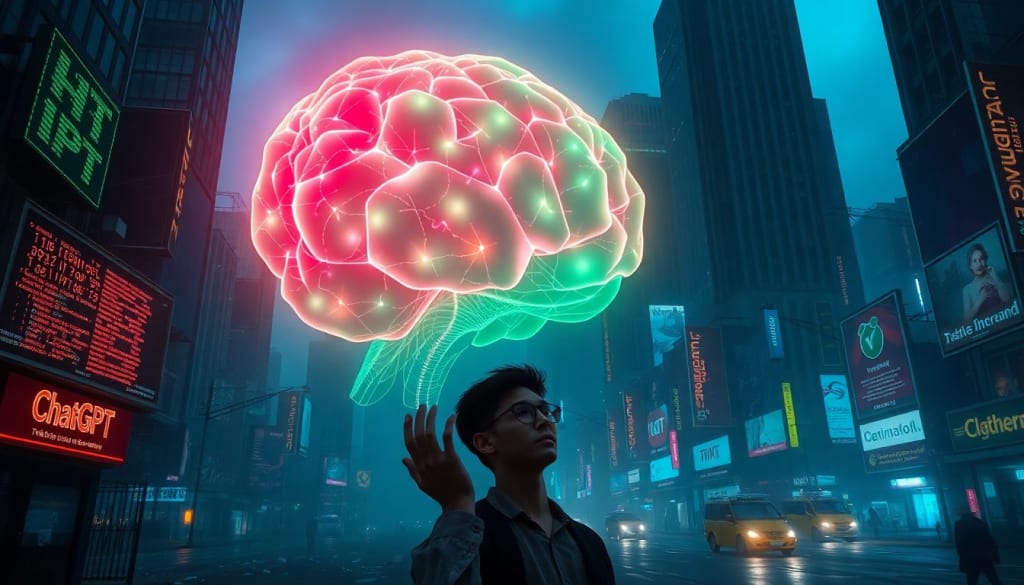
ChatGPT has become part of daily life for many. We ask it questions, use it for school, work, and even chatting with friends. These tools seem to make life easier and faster. But there’s a catch. Relying too much on AI might come with hidden costs. While it boosts productivity, it can also hurt your mind and emotions. It’s important to understand what happens when you depend on ChatGPT too much. Recognizing these risks helps us use AI wisely, not mindlessly.
The Cognitive Impact of ChatGPT: How AI Alters Your Brain
The Science of Dependency: Why We Turn to AI
Humans naturally seek quick answers. When we face a tough problem, we want it solved fast. AI tools like ChatGPT often provide quick solutions, making us depend on them. Studies show that people are talking to virtual assistants more than ever. Daily interactions with AI are increasing by the day, making dependency stronger. Over time, our brains may start to rely heavily on these easy answers instead of figuring things out ourselves.
Diminishing Critical Thinking Skills
Relying on ChatGPT for answers can weaken your thinking skills. Research suggests that when students use AI to write essays, they lose the chance to develop their own ideas. Instead of analyzing problems or brainstorming, they accept AI’s response as final. This habit creates fewer opportunities for their brains to practice critical thinking. It’s like using training wheels so often that you forget how to ride a bike on your own.
Memory and Information Retention
Constantly turning to AI for information can weaken your memory. When you don’t try to remember facts because ChatGPT gives you the answer, your brain’s neural pathways don’t strengthen. Experts warn that overuse may lead to poor recall of important details. Remembering things takes practice. If you avoid that practice, your brain becomes lazy and less sharp in retrieving information.
Emotional and Social Consequences of AI Overuse
Erosion of Human Empathy
ChatGPT and similar AI tools can simulate friendly conversations, but they lack true emotions. Over time, depending on AI for social interaction may decrease your ability to connect emotionally. Studies show that excessive digital engagement can reduce your emotional intelligence. This might make real-life relationships more difficult because you aren’t practicing empathy.
Social Isolation and Loneliness
It’s funny—using AI to stay in touch sometimes leaves people feeling more lonely. Many believe they are connected, but in reality, they’re missing genuine human presence. Experts have linked high screen time and AI dependence to increased feelings of loneliness. Feeling isolated is about lacking real, face-to-face interactions that build trust and understanding.
Anxiety and Mental Health Struggles
Too much time with AI can also affect your mood. Data reveals that overuse of digital tools like ChatGPT can increase anxiety levels. When we rely on AI for every decision or interaction, it can make us feel uncertain. To keep mental health strong, it’s wise to set limits on AI use. A break from screens often improves mood and focus.
The Risks of Misinformation and Bias Propagation
AI’s Limitations and Inaccuracies
ChatGPT is impressive but not perfect. It can generate convincing but false information. Recent cases saw AI spreading outdated facts or misconceptions. Relying blindly on these responses might mislead you or lead to errors. Always think of AI as a helpful guide, not the ultimate truth.
Bias and Ethical Concerns
AI systems learn from data created by humans. That means they can carry hidden biases. For example, if the training data favors certain opinions or stereotypes, the AI might reflect that. Experts warn that biased AI can influence views unfairly, impacting society. Being aware of these biases helps us question what AI says and avoid making decisions based on incomplete or biased data.
Impact on Decision-Making
Overdependence on ChatGPT can also skew your perceptions. If you base major decisions only on AI answers, you risk making poor choices. Cross-check facts and gather opinions from trusted sources before acting. Healthy skepticism is key in making smarter decisions.
Strategies to Protect Your Brain from AI-Induced Risks
Limiting and Balancing AI Usage
Set rules on when and how you use ChatGPT. For example, limit to certain times of the day or specific tasks. Balance your screen time with other activities. Research shows that balanced tech use helps keep your mind sharp and reduces dependency.
Promoting Critical Thinking and Creativity
Activities like reading, puzzles, or writing stories boost brainpower. They challenge your thinking in ways AI can’t. Practice questioning answers and exploring ideas yourself. This keeps your neural pathways active and your creativity alive.
Cultivating Human Connection
Don’t forget real conversations with friends and family. Face-to-face interactions strengthen emotional skills and reduce loneliness. Join local clubs, volunteer, or just spend more time with loved ones. These moments build stronger, more genuine bonds.
Leveraging AI Responsibly
Use ChatGPT as a tool, not a crutch. Develop literacy about AI’s strengths and limits. Learn to spot misinformation and biases. Be mindful of how often and why you turn to AI. Responsible use lets you enjoy benefits without falling into traps.
Conclusion: Navigating the AI Era Mindfully
While ChatGPT can be a powerful helper, overusing it may damage your brain and well-being. It can erode critical skills, weaken memories, and impact your emotions. It also risks spreading misinformation and reinforcing biases. But by staying aware, setting boundaries, and engaging in real-world activities, you can enjoy AI’s benefits safely. The goal is to use technology wisely, not let it take over your mental health. Make smart choices today for a healthier mind tomorrow.
About the Creator
vijay sam
🚀 Sharing proven affiliate marketing tips, smartlink strategies, and traffic hacks that convert. Follow for insights, tools, and real results to help you earn smarter—whether you're just starting or scaling up!
Why Is Clean, Structured Data Essential for AI-Driven Business Decisions in 2025?
In the world of AI and machine learning, data quality has become a board-level concern. From predictive analytics to real-time decision-making, businesses now rely on AI models to power everything from customer recommendations to supply chain optimizations. However, there’s one crucial piece of the puzzle—structured data.
By Retail Gators5 days ago in Writers




Comments
There are no comments for this story
Be the first to respond and start the conversation.