
Centres for Rehab Services: Specialised Speaking Therapy and Neuro-rehabilitation
Specialized Speech & Neuro Rehab Care

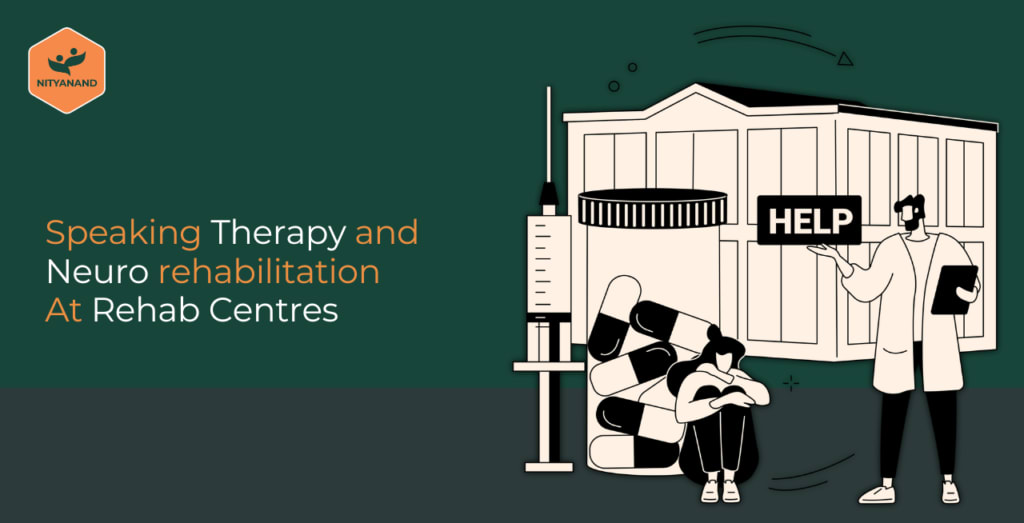
Rehabilitation centres offer a lifeline to individuals recovering from brain injuries, strokes, or neurological conditions. They provide specialised speaking therapy and neuro-rehabilitation programs to restore communication, cognition, and independence. Speech-language pathologists and neuro-rehabilitation experts work together to address speech, language, and swallowing disorders, helping patients regain confidence and re-engage with their lives. This blog is here to help you understand the importance and benefits of specialised speaking therapy and neuro-rehabilitation, highlighting how these services improve recovery and quality of life.
Understanding Rehabilitation Services
Rehabilitation is a comprehensive and multidisciplinary process aimed at helping individuals recover from injury, illness, or disease and regain optimal physical, cognitive, and emotional functioning. It encompasses physical, occupational, and speech therapies and cognitive, psychiatric, and vocational interventions tailored to specific needs and goals. By addressing physical and emotional limitations, rehabilitation helping individuals to re-engage in daily activities, restore relationships, and reintegrate into their communities, fostering a holistic approach to recovery and well-being.
Rehabilitation centres offer specialised care for individuals with speech and neuro-related issues, providing tailored therapy programs to address communication, cognition, and swallowing disorders. Expert speech-language pathologists and neuro-rehabilitation specialists work together to diagnose and treat conditions such as aphasia, dysarthria, apraxia, and traumatic brain injury.
What Is Speaking Therapy?
Speaking therapy, or speech-language pathology, is a specialised treatment that helps individuals improve their communication skills and overcome speech, language, and swallowing disorders. The primary goals of speaking therapy include:
- Enhancing articulation, fluency, and voice quality.
- Improving language comprehension and expression.
- Developing effective communication strategies.
Individuals who can benefit from speaking therapy include those with conditions such as aphasia, dysarthria, apraxia, stuttering, autism spectrum disorder, traumatic brain injury, stroke, and neurological diseases like Parkinson’s and Alzheimer’s.
Furthermore, speech therapy greatly benefits children with developmental speech and language delay, adults with vocal cord injuries, and individuals seeking to improve their accent or public speaking skills.
What Is Neuro-Rehabilitation?
Neuro-rehabilitation is a medical process that helps individuals with neurological conditions or injuries regain lost functions, adapt to disabilities, and improve their quality of life.
Role of Neuro-rehabilitation
Neuro-rehabilitation is vital in restoring individuals to their fullest potential, addressing cognitive, physical, and emotional impairments. Patients regain cognitive function through personalised programs, improving memory, attention, and language skills. Physical function is enhanced, boosting mobility, balance, and coordination. Emotional well-being is also prioritised, stabilising mood and behaviour and stress management. Neuro-rehabilitation helps individuals to re-engage in community and social life by fostering independence in daily activities.
Conditions Treated During Neuro-rehabilitation
Neuro-rehabilitation ensures treatment for several medical conditions like traumatic brain injury, stroke, spinal cord injury, Parkinson’s disease, multiple sclerosis, cerebral palsy, autism spectrum disorder, and neurodegenerative diseases (Alzheimer’s, ALS).
The Importance of Specialised Centres for Rehab Services
Specialised rehabilitation centres provide comprehensive, multidisciplinary care, addressing complex physical, cognitive, and emotional needs.
These centres:
- Offer curated treatment plans
- Employ expert multidisciplinary teams
- Utilise advanced technologies and therapies
- Foster a supportive environment
- Enhance patient outcomes and quality of life
- Offer a range of therapies, including physical therapy, occupational therapy, and psychological support, ensuring that all aspects of recovery are addressed
- Reduce hospital readmissions and complications
- Promote independence and reintegration
Offer a collaboration between speech therapists, neurologists, physiotherapists, and occupational therapists for comprehensive care.
- Improve recovery rates
- Enhance functional abilities
- Offer better pain management
- Increase patient satisfaction
- Reduce healthcare costs
How Centres for Rehab Services Improve Quality of Life
Centres for Rehab Services improve quality of life in the following aspects:
Physical Improvements
Participating in tailored exercises and therapies allows residents to regain mobility and flexibility, allowing for greater independence and freedom. Enhanced strength and endurance enable individuals to tackle daily tasks confidently, while improved balance and coordination reduce the risk of falls. Additionally, these programs aim to alleviate physical discomfort, reduce pain, and promote relaxed movement.
Emotional and Psychological Benefits
By engaging in activities and receiving personalised support, individuals can experience increased confidence and self-esteem, shedding self-doubt and uncertainty. Stress and anxiety are alleviated, replaced by improved mood and overall mental well-being. Cognitive function and memory are enhanced, sharpening mental clarity and focus. Moreover, residents develop better-coping mechanisms and resilience, enabling them to navigate life’s challenges more easily and optimistically.
Social and Relational Benefits
Residents develop improved communication skills, fostering meaningful connections with others. Participation in community programs increases, encouraging a sense of belonging and purpose. The centre’s welcoming environment extends to patients’ families, providing a comforting support system. Additionally, residents gain access to peer support groups, sharing experiences and wisdom with others who understand, promoting empathy, understanding, and lasting friendships.
About the Creator
Nityanand raheb
Nityanand Rehabilitation, founded by Dr. Nitin Dalaya in 2002, offers holistic mental health care for chronic illnesses, empowering recovery with expert-led bio-psycho-social rehabilitation in Pune.
Keep reading
More stories from Nityanand raheb and writers in Writers and other communities.
5 Ways to Prevent Dementia and Improve Cognitive Health Naturally
Dementia is a progressive neurological condition that affects memory, thinking, and daily functioning, often leading to significant emotional and physical challenges for both patients and caregivers. While age and genetics play a role, lifestyle choices have a powerful impact on brain health and dementia prevention.
By Nityanand raheb10 months ago in Writers
It's Winter
Anne Bernays and Pamela Painter — What If? Writing Exercise for Fiction Writers prompts The Exercise —Write a scene involving two characters. Have the point-of-view character presume something entirely different about the situation from what the other character's overt behavior seems to imply. For example, a landlord comes to visit, and the tenant suspects that it isn't a visit but an inspection. Make up several situations in which one character can fantasize or project or suspect or even fear what another character is thinking. The Objective - To show how your characters can use their imaginations to interpret the behavior and dialogue of other characters.
By Denise E Lindquist22 days ago in Writers
Public Notice
The United States now has a Ministry of Truth, just like the one where Winston Smith worked. Freedom is slavery; ignorance is strength; war is peace. We are here. You are being asked to reject the evidence your eyes and ears have given you for what they tell you. This is not a test.
By Harper Lewis3 days ago in Writers
Autonomy Is The Real Privilege
Good morning, freedom-seekers! Today we’re gonna be looking at autonomy. A strange word, I know; one many would probably look at blankly and run away from on sight. We’re gonna figure out what it actually means, consider how it’s achieved, and decipher just how deeply most of us are tangled up in dependence without realising it.
By That ‘Freedom’ Guy3 days ago in Humans




Comments
There are no comments for this story
Be the first to respond and start the conversation.