
Building Your Brand: The Essential Role of Social Media in Self-Publishing
Strategies for Engaging Content and Effective Promotion

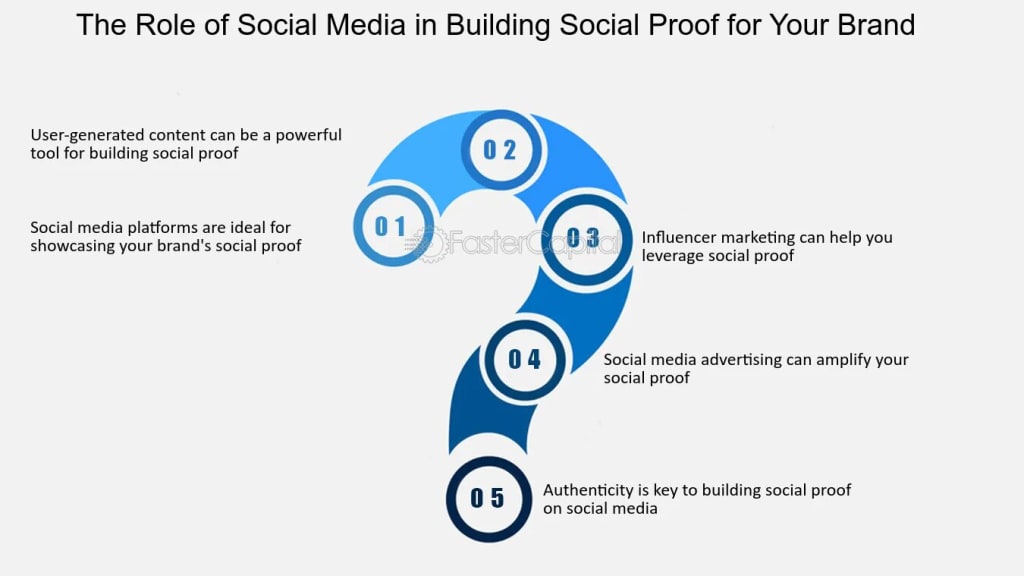
In today’s digital age, social media has become an essential tool for authors, especially those venturing into self-publishing. With millions of users across various platforms, social media offers a unique opportunity for authors to connect with their audience, promote their work, and build a brand. This article explores how social media impacts self-publishing, the best practices for authors, and strategies to leverage these platforms effectively.
1. Building an Author Platform
An author platform is crucial for self-published writers. Social media allows authors to create and maintain a presence that can attract readers and industry professionals alike. By regularly sharing updates, insights, and engaging content, authors can develop a loyal following that is invested in their work. This platform becomes a valuable asset when launching new books, as an established audience can lead to immediate sales and visibility.
2. Connecting with Readers
Social media enables authors to interact directly with their readers, fostering a sense of community. Platforms like Twitter, Facebook, and Instagram allow for real-time communication, where authors can respond to comments, answer questions, and engage in discussions. This interaction humanizes the author, making readers feel more connected to them and their work. Additionally, polls, Q&A sessions, and live readings can enhance this connection, encouraging deeper engagement.
3. Promoting Your Work
Effective promotion is critical in self-publishing, where authors often lack the marketing resources of traditional publishing houses. Social media serves as a cost-effective platform for marketing books. Authors can share teasers, cover reveals, and excerpts, building anticipation before a launch. Paid advertising on platforms like Facebook and Instagram can also target specific demographics, ensuring that promotional efforts reach the intended audience.
4. Networking Opportunities
Social media is not just about connecting with readers; it also opens doors for networking with other authors, editors, agents, and industry professionals. Engaging with fellow writers and participating in writing communities can lead to collaborations, feedback, and support. Platforms like LinkedIn and specialized groups on Facebook or Reddit can be valuable for connecting with others in the self-publishing sphere, sharing tips, and exchanging resources.
5. Leveraging Influencer Marketing
Influencer marketing has gained traction in the book industry, where authors can partner with book bloggers, vloggers, and social media influencers to reach a wider audience. By collaborating with influencers who resonate with their target market, authors can gain credibility and visibility. This strategy can involve sending free copies for review, participating in interviews, or co-hosting events, thereby tapping into established follower bases.
6. Sharing Content Beyond Books
Successful self-published authors often share content that goes beyond their books, including writing tips, behind-the-scenes insights, and personal anecdotes. This diverse content keeps the audience engaged and provides value, encouraging followers to return for more. Additionally, creating content around themes related to the book can attract readers interested in those topics, further expanding the audience.
7. Utilizing Visual Platforms
Visual platforms like Instagram and TikTok are particularly effective for self-published authors. On Instagram, authors can share aesthetically pleasing images of their books, engaging graphics, and reels that capture the essence of their stories. TikTok, with its rapidly growing book community (often referred to as “BookTok”), offers a unique opportunity for authors to create short, engaging videos that can go viral, significantly boosting visibility and sales.
8. Analyzing Performance and Engagement
One of the significant advantages of social media is the ability to track engagement and analyze performance. Authors can use insights from social media platforms to understand which types of content resonate most with their audience, allowing for informed adjustments to their strategies. By analyzing metrics such as likes, shares, comments, and follower growth, authors can refine their approach and enhance their online presence.
9. Staying Consistent and Authentic
Consistency and authenticity are key in social media marketing. Authors should establish a posting schedule that maintains engagement without overwhelming their audience. Authenticity is equally important; readers appreciate genuine voices and relatable content. Sharing personal stories, challenges faced during the writing process, and successes can help build trust and loyalty among followers.
10. Overcoming Challenges
While social media offers numerous benefits, it also presents challenges, such as managing multiple platforms and dealing with negative feedback. Authors need to set boundaries and prioritize their mental health, ensuring that their online presence enhances their writing journey rather than detracts from it. Additionally, developing a strategy to address criticism constructively is essential for maintaining a positive reputation.
Conclusion
The role of social media in self-publishing is transformative, offering authors powerful tools to connect with readers, promote their work, and build a brand. By leveraging these platforms effectively, self-published authors can navigate the competitive landscape of the publishing industry, creating meaningful relationships and opportunities that drive their success. In an era where visibility is crucial, harnessing the power of social media can be the difference between obscurity and recognition in the world of self-publishing.
About the Creator
Ryder Flint
Author
Keep reading
More stories from Ryder Flint and writers in Writers and other communities.
The Editor’s Impact: What to Expect from Professional Editing Services
Editing is a crucial phase in the writing process, transforming a raw manuscript into a polished final product. While many writers may be tempted to skip professional editing, understanding the role of an editor and what to expect from editing services can significantly enhance the quality of their work. This article explores the various types of editing, the responsibilities of an editor, and how to choose the right editing service for your needs.
By Ryder Flintabout a year ago in Writers
What Is a Visual Search Engine? A Complete Guide by Chance Vision
Most of us are used to typing words into a search bar. But what if you don’t know what something is called? You may have seen an item, a place, or an object and thought, “I wish I could just show this to my phone and get an answer.”
By Ausfab Group4 days ago in Writers


Comments
There are no comments for this story
Be the first to respond and start the conversation.