
Building Brand Identity: Case Studies of Successful Brands
In today’s competitive market, a strong brand identity is crucial for standing out and establishing
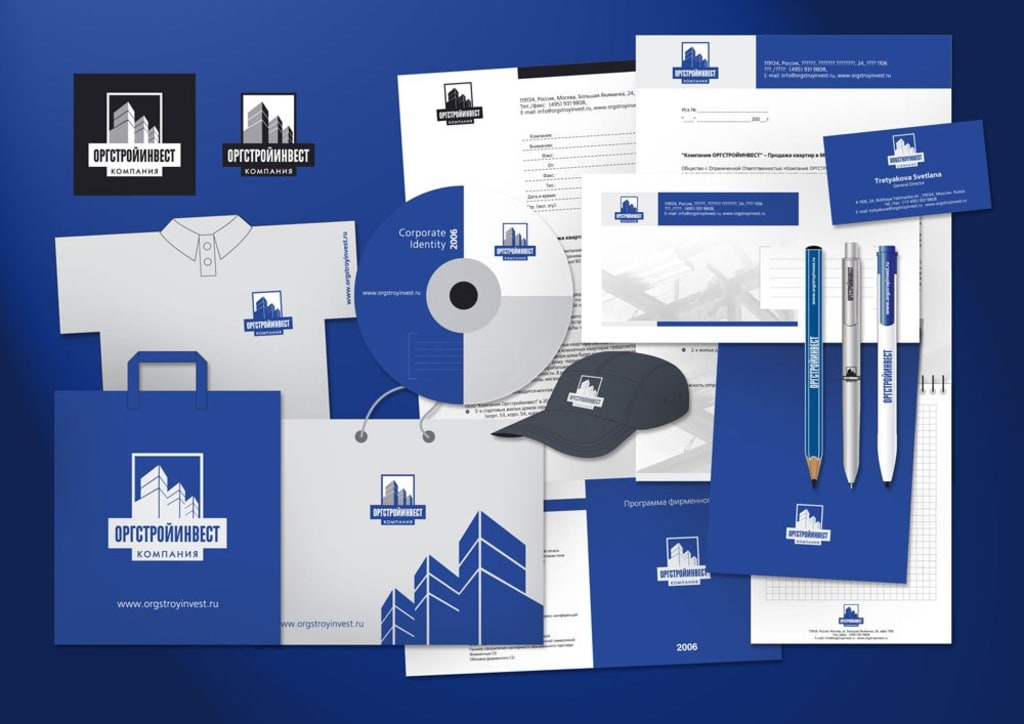
In today’s competitive market, a strong brand identity is crucial for standing out and establishing a lasting connection with consumers. Successful brands leverage strategic branding to create identities that resonate with their target audience. As the No. 1 brand identity services agency, we explore case studies of companies that have excelled in building robust brand identities, drawing insights from their strategies and executions.
Case Study 1: Nike
Nike is a prime example of a brand that has built an identity synonymous with inspiration and performance. The brand’s famous slogan, “Just Do It,” encapsulates its ethos and encourages consumers to push their limits. Nike’s branding strategy includes high-profile endorsements from athletes like Michael Jordan and Serena Williams, which align the brand with excellence and achievement.
The company’s logo, the Swoosh, is one of the most recognizable symbols globally. Nike consistently integrates this logo across its products, advertising, and retail environments, ensuring a cohesive brand experience. The simplicity and dynamic shape of the Swoosh convey movement and speed, reinforcing Nike’s focus on athleticism.
Case Study 2: Apple
Apple’s brand identity is built on innovation, simplicity, and premium quality. The company’s minimalist design philosophy is evident in its products, packaging, and marketing. Apple’s logo, a simple apple with a bite taken out of it, is sleek and instantly recognizable, symbolizing knowledge and innovation.
Apple’s brand strategy includes creating a seamless ecosystem of products that work together, enhancing user experience. The company’s retail stores, with their clean, modern design, provide an immersive brand experience that reflects Apple’s values. By focusing on design and user experience, Apple has cultivated a loyal customer base that associates the brand with cutting-edge technology and sophistication.
Case Study 3: Coca-Cola
Coca-Cola has maintained a strong brand identity for over a century. The company’s red and white logo and distinctive script font are instantly recognizable worldwide. Coca-Cola’s branding strategy focuses on happiness, sharing, and togetherness, themes consistently reflected in its advertising campaigns.
One of Coca-Cola’s most successful campaigns is the “Share a Coke” initiative, where the company printed popular names on its bottles. This personalized approach created a sense of connection and engagement with consumers. Coca-Cola’s ability to adapt its branding to different cultures while maintaining a consistent core message has contributed to its global success.
Case Study 4: Starbucks
Starbucks has built a brand identity centered around community, quality, and a unique customer experience. The brand’s green and white logo, featuring a twin-tailed mermaid, is a symbol of its promise to deliver premium coffee. Starbucks’ branding strategy emphasizes creating a “third place” between home and work where customers can relax and enjoy their coffee.
The company’s focus on personalization, such as writing customers’ names on cups, enhances the customer experience and fosters a sense of belonging. Starbucks also emphasizes sustainability and ethical sourcing, aligning its brand with values that resonate with its target audience.
Case Study 5: Airbnb
Airbnb has transformed the travel industry with its brand identity focused on belonging and unique experiences. The company’s logo, the Bélo, symbolizes four concepts: people, places, love, and the letter A. This logo represents Airbnb’s mission to create a world where anyone can belong anywhere.
Airbnb’s branding strategy includes leveraging user-generated content, such as photos and stories from hosts and guests, to build authenticity and trust. The company’s emphasis on personalized, local experiences differentiates it from traditional hospitality brands and resonates with modern travelers seeking unique accommodations.
Case Study 6: LEG
LEGO’s brand identity is built on creativity, imagination, and play. The brand’s colorful, interlocking bricks are iconic and have become synonymous with childhood fun and learning. LEGO’s branding strategy includes collaborations with popular franchises like Star Wars and Harry Potter, appealing to a broad audience and keeping the brand relevant.
The company’s emphasis on user-generated content, such as showcasing fan-created builds and hosting building competitions, fosters a strong community around the brand. LEGO’s consistent messaging around creativity and play has helped it maintain a powerful brand identity across generations.
Conclusion
Building a strong brand identity requires a clear understanding of your brand’s values, a consistent and recognizable visual identity, and a strategy that resonates with your target audience. The case studies of Nike, Apple, Coca-Cola, Starbucks, Airbnb, and LEGO demonstrate the power of effective branding in creating lasting connections with consumers. By analyzing these successful brands, businesses can draw valuable insights to shape their own brand identities and achieve long-term success.
About the Creator
Keep reading
More stories from Ahmed Kabeer and writers in Writers and other communities.
Avoiding Common Issues in WordPress Migration: A Comprehensive Guide
Migrating a WordPress site can be a daunting task, whether you're moving to a new host, changing domains, or upgrading your site. While WordPress migration is often a straightforward process, it can come with its own set of challenges. To ensure a smooth transition and minimal downtime, it's crucial to understand and address these common issues. In this guide, we'll explore common WordPress migration issues and provide tips on how to avoid them. We’ll also highlight why partnering with the best WordPress migration services provider agency in 2024 can make all the difference in achieving a seamless migration experience.
By Ahmed Kabeerabout a year ago in Writers
What Is a Visual Search Engine? A Complete Guide by Chance Vision
Most of us are used to typing words into a search bar. But what if you don’t know what something is called? You may have seen an item, a place, or an object and thought, “I wish I could just show this to my phone and get an answer.”
By Ausfab Group6 days ago in Writers



Comments (1)
Thanks for sharing