
Breaking Down My Monthly Nomad Budget (Every Dollar Counted)
The Real Cost of Living, Working, and Traveling Around the World

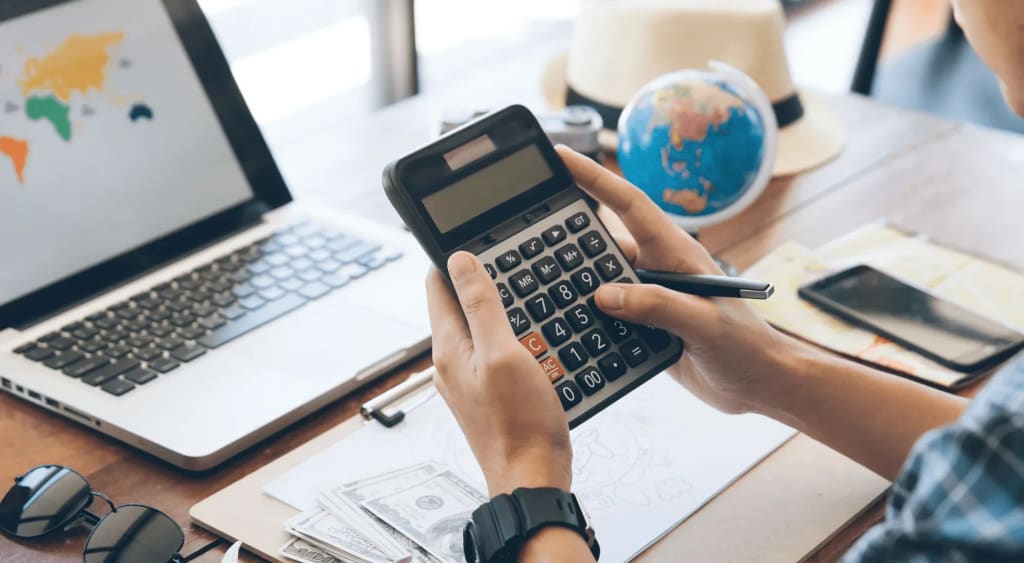
The Truth About Nomadic Freedom
When I first imagined becoming a digital nomad, my dreams looked like a highlight reel: endless beaches, coconut drinks, and a laptop perched on a sunlit balcony. I saw myself working anywhere, spending less, and living more.
What I did not picture was how often I would open spreadsheets, double-check exchange rates, and stress over surprise flight fees.
Freedom sounds effortless until you realize it has a budget. And in this lifestyle, money is not just about survival; it is about sustainability.
Every dollar I spend determines how far I can travel, how long I can stay, and how stress-free the experience will be. Over time, I have learned to treat budgeting like navigation. It keeps me grounded when the rest of my life is always in motion.
Here is exactly what my monthly budget looks like and how I make every cent count.
1. Accommodation: The Big One
Average: $600 – $1,200 per month
No surprise here. Accommodation eats up the biggest share of my budget. What changes most is how much I pay depending on where I land.
In Southeast Asia, I have rented bright, cozy studio apartments for $400 a month, Wi-Fi included. In Europe, that same comfort easily climbs to $900 or even $1,200.
When I crave company, I stay in co-living spaces that cater to remote workers. They cost a little more, usually $700 to $1,000, but they include utilities, cleaning, and the bonus of built-in friendships.
My trick: I never book just one night. I choose 2–4 weeks on Airbnb, then message the host directly to negotiate a lower monthly rate. Most owners prefer a steady renter to the unpredictability of tourists, and a polite message can easily shave 10–20% off the price.
2. Food and Drinks: Eating Like a Local
Average: $300 – $600 per month
Food is both my weakness and my joy. It is also where money disappears fastest if I am not careful.
In Southeast Asia, a steaming bowl of noodles might cost $2. In Europe, a casual lunch can easily hit $12. Multiply that by 30 days, and you can see why I learned to cook simple meals early on.
Here is how my food budget usually splits:
- Street food and local cafés: $2–$5 per meal in Asia, $8–$12 in Europe
- Groceries for cooking: $150–$200
- Coffee shops (my second office): $50–$100
My personal rule is simple: cook breakfast, grab lunch out, and keep dinner flexible. This way I get both local flavor and financial balance.
And when I do eat out, I go where locals line up, not where the menus are in six languages. The meals taste better and cost less.
3. Transportation: Planes, Trains, and Scooters
Average: $200 – $500 per month
Nomad life means you are always on the move, and that freedom carries a price tag.
Flights are my biggest variable. If I plan ahead, I can hop countries for as little as $60. If I book late, I might pay $250 or more. Then there are trains, buses, and those scooter rentals that seem cheap until the fuel, helmets, and day-rate fees add up.
My routine travel expenses:
- Flights: $50–$250 (budget airlines only)
- Trains or buses: $30–$100
- Local transport: $30–$80
My favorite hack: I use Skyscanner’s “Everywhere” search to pick my next stop. It lists the cheapest countries to fly to from my current city. My travels often follow the best deal rather than the most glamorous location.
4. Workspace and Wi-Fi
Average: $100 – $250 per month
A stable internet connection is my lifeline. Without it, there is no business, no income, and no Netflix at the end of a long day.
Some nomads swear by cafés, but I prefer coworking spaces. They give me focus, power outlets, and a desk that is not sticky with sugar.
- Coworking memberships: $150–$250
- Coffee shop budget (when I need variety): $50
In cheaper countries, I skip the membership and work from home. But in cities where Wi-Fi is unreliable, the cost is worth it. My productivity always pays for the expense.
5. Insurance and Healthcare
Average: $80 – $150 per month
This is the part many travelers skip, until they regret it. I never travel without insurance.
I carry international medical coverage that includes emergency evacuation. It is one of those things that feels unnecessary until the moment you need it.
A sprained ankle, a sudden illness, or even food poisoning abroad can result in thousands of dollars in medical expenses. Having insurance means I never have to decide between my health and my bank account.
I also pay extra for gadget insurance because my laptop is my livelihood.
Yes, it is an unglamorous expense. But peace of mind is priceless.
6. Subscriptions and Tools
Average: $50 – $100 per month
Even a minimalist digital life has bills. My subscription lineup looks something like this:
- Cloud storage and backup (Google Drive, Dropbox)
- Productivity software (Notion, Canva, Grammarly, Zoom)
- VPN for security on public Wi-Fi
- Spotify and Netflix for the quiet nights
These costs follow me everywhere. They are small but steady, and they keep my work flowing no matter where I am.
7. Fun, Social Life, and Surprises
Average: $200 – $500 per month
If I only budgeted for “needs,” I would burn out fast. The whole point of living this way is to experience the world, not just survive it.
So, I include a “fun allowance” every month. This covers things like:
- Nights out with new friends
- Weekend adventures or day trips
- Entry fees to museums or cultural events
- Visa renewals or small souvenirs
This is also my flexibility fund. It allows me to say yes to opportunities without guilt.
One of my favorite memories came from this budget line, a last-minute decision to join a cooking class in Hanoi. It cost $35, and it gave me friends, laughter, and a story that I still tell years later.
8. Savings and Safety Net
Average: $200 – $400 per month
For every dollar that goes out, I try to make sure one comes back to me later.
I split my savings into two parts:
- Emergency Fund: For unexpected situations like canceled flights or medical surprises.
- Long-Term Savings: For retirement, business reinvestment, or that one day when I might want a home base again.
It is tempting to live fully in the moment when you are traveling, but I have learned that long-term peace of mind feels even better than short-term luxury.
The Totals: What Nomad Life Really Costs
Here is what my complete monthly budget looks like depending on where I am:
- Low-Cost Countries (Thailand, Vietnam, Mexico): $1,600 – $2,000
- Mid-Range Countries (Portugal, Croatia, Colombia): $2,200 – $2,800
- High-Cost Countries (Germany, Japan, USA): $3,000 or more
These numbers fluctuate depending on travel speed. The faster I move, the higher the costs. Slower travel saves money and energy.
9. Lessons Learned from Every Receipt
After years of tracking every expense, here is what the road has taught me about money:
1. Tracking daily keeps me honest.
Writing down each purchase, no matter how small, shows me where leaks appear. A $3 coffee habit can quietly become $100 a month.
2. Negotiation is a skill, not a favor.
Whether it is asking for a discount on a long Airbnb stay or haggling for a better exchange rate, polite negotiation saves hundreds each year.
3. Coworking fees are worth it when mental health is at stake.
Isolation can cost more than money. Paying for structure and community keeps me sane and productive.
4. Flexibility prevents burnout.
A “fun” budget gives freedom within limits. It reminds me that this lifestyle is meant to be lived, not endured.
5. Budgeting is freedom, not restriction.
When I know my numbers, I am not guessing or stressing. I am choosing with intention. That is real financial independence.
10. The Real Cost of Freedom
People often assume being a digital nomad is cheaper than living at home. Sometimes it is. I have lived in tropical cities for half the price of my old rent. But what makes this lifestyle sustainable is not cheapness, it is clarity.
I know where my money goes. I know how long it can last. And I know that the decisions I make each month, whether to splurge or save, shape how far this journey will take me.
Money does not buy happiness, but it buys time, options, and the ability to keep exploring without fear.
Final Thoughts
Living as a digital nomad has taught me that every dollar has a job.
Some dollars buy plane tickets. Some buy connections through coworking memberships. Some buy comfort in the form of insurance. And some simply sit quietly in savings, waiting for when I need them most.
Budgeting does not limit my freedom. It protects it.
At the end of the day, my spreadsheet is not just numbers; it is a map. Each line tells me how far I have come, how much I have learned, and how many new cities are still waiting ahead.
Because when every dollar is counted, every journey lasts longer.
About the Creator
Jasmine Bowen
I’m a digital nomad with a love for history, hidden corners, and real connections. From bustling cities to quiet villages, I share stories that uncover the authentic side of travel, the kind you won’t find in guidebooks.
Keep reading
More stories from Jasmine Bowen and writers in Writers and other communities.
What I Do When Loneliness Hits in a New Country
The Side of Travel People Don’t Talk About One of the greatest privileges of being a digital nomad is waking up in a brand-new city. The sunlight looks different, the air smells new, and the day stretches wide with possibility. You sip coffee in a café you have never seen before and feel the quiet thrill of knowing that you built a life that does not fit inside borders.
By Jasmine Bowen5 months ago in Writers
Early March 2026: 4 Goals Accomplished
It's early March and I've now accomplished my 4th writing goal for the year of 2026. Before diving into the behind-the-scenes of it... why not tell you up front what that accomplishment was? I was published in a 2nd publication for this year. Published in Helix Literary Magazine out of Central Connecticut State University. You can read it for free right now!
By Stephen Kramer Avitabile5 days ago in Writers




Comments
There are no comments for this story
Be the first to respond and start the conversation.