
Belamcanda Chinensis: The Striking Leopard Lily You’ll Love Growing
Discover the beauty, care secrets, and fascinating history of the Blackberry Lily, a garden favorite that blends elegance with resilience.


What Is Belamcanda Chinensis?
Belamcanda Chinensis, commonly known as Leopard Lily or Blackberry Lily, is a stunning perennial native to East Asia. Despite its name, it’s not a true lily but a member of the Iris family (Iridaceae). The plant is admired for its orange flowers with red spots that resemble a leopard’s coat. After flowering, it produces clusters of shiny black seeds that look like blackberries, giving rise to the name “Blackberry Lily.”
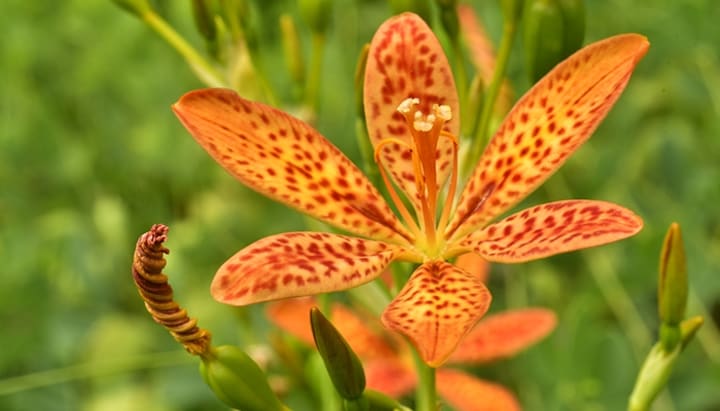
You can recognize Belamcanda Chinensis by its sword-shaped leaves and upright stems that grow up to 2–3 feet tall. Its unique mix of color and texture makes it a standout addition to gardens and borders.
How to Grow Leopard Lily
Growing Belamcanda Chinensis is easy, making it perfect for both beginners and experienced gardeners.
1. Choose the Right Spot
Plant your Leopard Lily in full sun for best flowering. It can tolerate partial shade, but too much shade reduces bloom size and number. Learn more about choosing the right planting location from this guide on garden sunlight.
.2. Soil Requirements
This plant thrives in well-draining soil. Slightly sandy or loamy soil is ideal. If your garden soil tends to retain water, mix in organic compost or perlite to improve drainage. For reference, check this article on improving soil drainage.
3. Watering
Water regularly during the growing season, keeping the soil moist but not soggy. Once established, Belamcanda Chinensis becomes moderately drought-tolerant. You can read about watering frequency for hardy perennials here
4. Fertilizing
Apply a balanced slow-release fertilizer in early spring to encourage strong growth and blooms. Avoid over-fertilizing, which can lead to excessive foliage instead of flowers. Find a detailed fertilizer guide for flowering plants.
5. Pruning and Maintenance
After flowering, cut back the flower stalks to keep the plant tidy. In colder regions, mulch around the base in fall for winter protection. Explore more winter care tips in this seasonal gardening guide.
Propagation of Blackberry Lily
You can propagate Belamcanda Chinensis in two simple ways:
- From Seeds: Sow seeds indoors 6–8 weeks before the last frost. Germination takes about two weeks.
- By Division: Divide mature clumps every 3–4 years in spring or fall.
For best results, follow this step-by-step propagation guide.
.
Medicinal and Historical Uses
Traditionally, Belamcanda Chinensis has been used in Chinese herbal medicine. Its rhizomes were believed to support respiratory health and soothe sore throats. However, always consult a medical professional before using any plant medicinally.
To explore more about herbal and medicinal plants, visit this article on healing herbs.
Common Problems and Solutions
Even with its resilience, the Leopard Lily may face a few issues:
Leaf Spot: Avoid overhead watering to prevent fungal diseases.
Root Rot: Ensure proper drainage.
Aphids or Spider Mites: Treat infestations with neem oil or insecticidal soap.
You can read about natural pest control methods here
.
Landscaping Ideas
Belamcanda Chinensis adds charm to:
- Mixed perennial borders
- Butterfly gardens
- Cottage-style landscapes
- Container gardens
Pair it with plants like Coreopsis, Daylilies, or Echinacea for a striking color contrast. For more inspiration, check out this guide to colorful garden pairings.
Why Gardeners Love the Blackberry Lily
- Low maintenance once established
- Attracts pollinators like bees and butterflies
- Unique ornamental seed pods that last through winter
You can learn about more pollinator-friendly flowers in this helpful post
.
Final Thoughts
Belamcanda Chinensis is an underrated gem. Its spotted blooms, low maintenance needs, and versatility make it a must-have for gardeners looking to add exotic charm to their space.
For more gardening tips, plant care guides, and inspiration, visit usagardenhub.com and explore hundreds of resources to help your garden thrive year-round.
About the Creator
Ashley Scott
Ashley Scott here! 🌿 I share tips, DIY projects, and inspiration for creating beautiful gardens. From beginner guides to expert advice on growing vegetables, herbs, and flowers, you'll find everything to make your garden thrive.
Keep reading
More stories from Ashley Scott and writers in Writers and other communities.
The Hen and Chicks Plant: A Timeless Succulent You’ll Love Growing
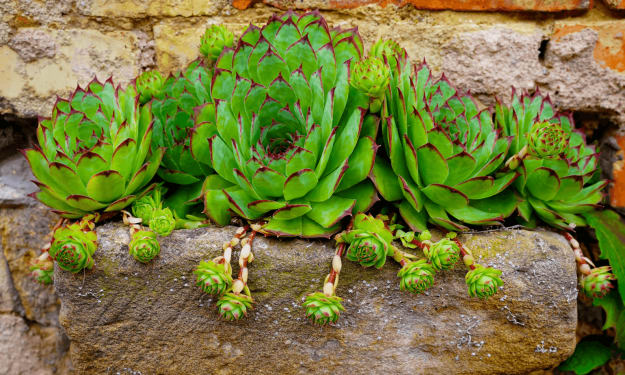
A Plant That Thrives on Neglect If you’re looking for a plant that can handle a little forgetfulness, the Hen and Chicks plant (Sempervivum tectorum) might be your perfect match. Known for its rosette shape and baby “chicks” sprouting around the main “hen,” this hardy succulent has been a gardener’s favorite for centuries.
By Ashley Scott3 months ago in Writers



Comments
There are no comments for this story
Be the first to respond and start the conversation.