

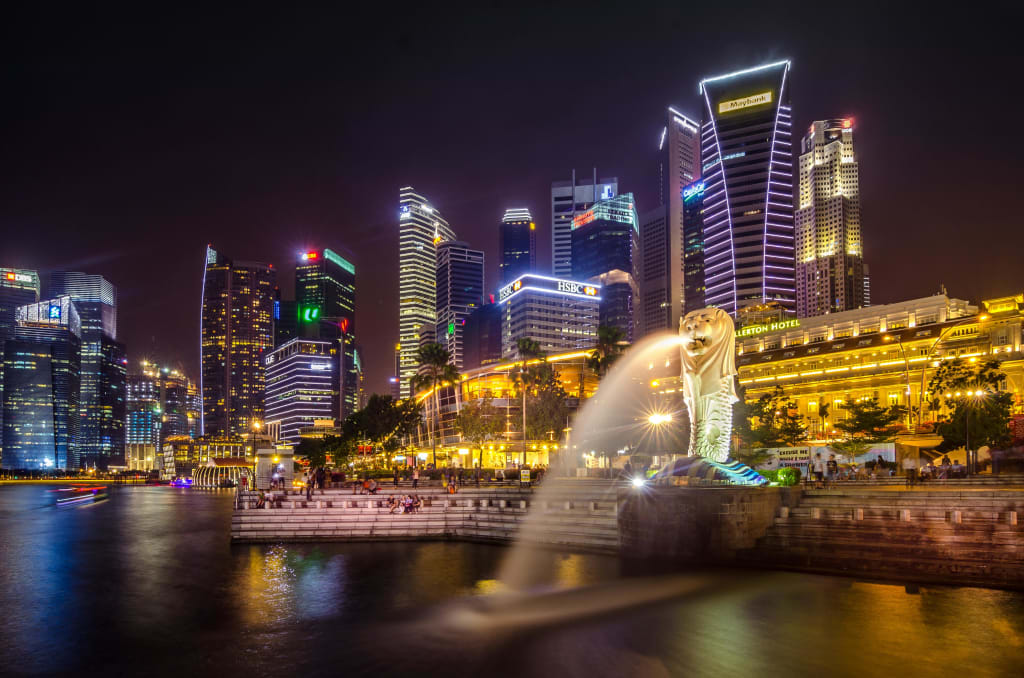
As is known, Singapore has firmly positioned itself as one of Asia’s most important blockchain centers, attracting global blockchain companies, investors, and developers.
But why Singapore? At first, I thought it was just because Singapore is a financial center. But the more I looked into it, the more I realized it goes deeper than that.
From my perspective, it’s the result of a coordinated mix of clear regulation, supportive government programs, and a vibrant tech ecosystem that encourages both innovation and practical enterprise adoption.
Many blockchain development companies now operate out of Singapore, offering everything from smart contract and DeFi platform development to enterprise-grade blockchain integration. A good overview of this landscape is provided in the Synodus guide to “10 Trusted blockchain development companies in Singapore,” which highlights how Singapore’s ecosystem supports a wide variety of Web3 and enterprise blockchain services.
My first impression of Singapore’s blockchain scene
Whenever people talk about blockchain in Asia, Singapore almost always comes up. At first, I thought the reason was simple. Singapore is a strong financial center, so it naturally attracts new financial technologies. But the more I learned about the blockchain scene here, the more I realized that this explanation is not enough.
Singapore did not become a blockchain hub by accident. What I see is a system that feels planned and consistent over many years. Policies, infrastructure, and technology adoption all seem to move in the same direction. That long term thinking is rare, especially in fast changing industries like blockchain.
Cclear rules matter more than freedom
In my opinion, the biggest reason Singapore stands out is regulatory clarity. Blockchain companies do not only care about moving fast. They care about knowing what is allowed, what is risky, and what is simply not permitted.
In Singapore, the Monetary Authority of Singapore, or MAS, provides clear guidance for blockchain and digital asset businesses. Companies know when they need a license, what compliance standards they must meet, and how to operate legally. For example, under the Payment Services Act, businesses dealing with digital payment tokens must register and follow strict rules related to anti money laundering and user protection.
This clarity reduces uncertainty. Founders can plan long term instead of constantly adjusting to new rules. Investors also feel more confident putting money into blockchain projects when the legal environment is stable.
When I compare this with other countries in the region, the difference is clear. In many places, regulations are either unclear or change very quickly. That makes it difficult to build blockchain products that are meant to last. Singapore feels safer for companies that want to grow beyond one market cycle.
A government that actively supports innovation
What also stands out to me is how Singapore treats blockchain as a serious technology, not just a risky experiment. The government does not only regulate from a distance. It actively supports innovation through research programs, industry partnerships, and testing environments.
Programs like the Singapore Blockchain Innovation Programme encourage companies and researchers to explore real use cases for blockchain. These include areas such as supply chain management, digital identity, and financial services. Sandbox initiatives also allow companies to test new ideas in a controlled setting before launching them at scale.
This support lowers the barrier for innovation. Startups can experiment without taking unnecessary risks, and larger companies can explore blockchain adoption with more confidence. Over time, this creates a stronger and more practical ecosystem.
From startups to enterprise blockchain
Another thing I find important is the maturity of the blockchain ecosystem in Singapore. It is not only about crypto trading or NFTs. Many companies here focus on enterprise blockchain solutions, fintech infrastructure, DeFi platforms, and secure blockchain systems.
I recently came across a detailed overview of blockchain development companies operating in Singapore. It shows a wide range of teams, from early stage startups to experienced companies delivering large scale projects for enterprises.
This kind of diversity is a strong signal. It shows that blockchain in Singapore is not limited to experiments. It is being used to build real products that serve real business needs. That is why the ecosystem attracts not only founders, but also enterprises looking for reliable blockchain partners.
How Singapore compares to other Asian hubs
When people compare Singapore with other blockchain hubs, Hong Kong is often one of the first names mentioned. Both cities are major financial centers and both have introduced clear regulatory frameworks for blockchain and digital assets. In recent years, Hong Kong has actively promoted itself as a Web3 hub, especially by reopening crypto licensing and encouraging institutional participation. This makes it a natural comparison to Singapore.

India is also part of the blockchain conversation, but in a very different way. India is known for its large pool of blockchain developers and technical talent. Many global blockchain projects rely on Indian engineers. However, unclear regulations and heavy taxation on crypto make India less attractive as a base for blockchain businesses. As a result, India is often where products are built, while Singapore is where companies choose to operate and scale.
Some companies also look at places like Dubai because of its open attitude toward Web3 and fast growing crypto ecosystem. Dubai has been successful in attracting crypto native companies, but Singapore continues to stand out for projects that require strong compliance, enterprise trust, and long term stability.
This is why many blockchain companies choose a hybrid approach. They build teams across different countries, but use Singapore as their strategic and legal base for the Asian market.
Why the blockchain momentum feels sustainable
What gives me confidence in Singapore’s future as a blockchain hub is the focus on real world adoption. Blockchain here is applied to finance, supply chains, digital identity, and enterprise workflows. It is not only about following trends or market hype.
This practical approach helps the ecosystem stay resilient during market downturns. Even when the crypto market slows down, companies continue working on blockchain solutions that solve real problems. That long term mindset is what makes the momentum feel sustainable.
Final thoughts
From my point of view, Singapore’s position as Asia’s blockchain hub comes from doing the basics right. Clear rules, active support for innovation, and a strong focus on real business value all work together.
For anyone trying to understand where blockchain in Asia is heading, or looking for companies that are actually building usable solutions, Singapore remains one of the best places to start.
About the Creator
Alex Do
A technology leader driving large-scale innovation across blockchain, data, and enterprise systems.
Keep reading
More stories from writers in Writers and other communities.
How Local Regulations Impact Mobile Apps in Milwaukee?
Regulations rarely feel urgent during early planning. They surface quietly, usually as footnotes in proposals or brief mentions during discovery calls. Then development begins, real data flows through the system, and suddenly those footnotes become constraints that reshape timelines, architecture, and cost.
By Mike Pichai5 days ago in Writers




Comments
There are no comments for this story
Be the first to respond and start the conversation.