
Beautiful Plants that name start with O
Plants That Start with O

01. Ozark Sundrops
Ozark Sundrops, scientifically known as Oenothera macrocarpa, are a species of flowering plant native to North America, particularly the central and eastern United States. They are a member of the Evening Primrose family (Onagraceae) and are known for their striking yellow flowers. Here are some key details about Ozark Sundrops:
1. Appearance: Ozark Sundrops are herbaceous perennial plants that grow to a height of about 12 to 24 inches (30 to 60 centimeters). They have lance-shaped leaves that are green and somewhat hairy. The most distinctive feature of Ozark Sundrops is their large, bright yellow flowers. Each flower typically measures 1 to 2 inches (2.5 to 5 centimeters) in diameter and has four petals.
2. Blooming: These plants bloom in late spring to early summer, producing a profusion of yellow flowers. The flowers open in the evening and remain open throughout the night and into the morning, attracting nocturnal pollinators like moths and, occasionally, bees.
3. Fragrance: Ozark Sundrops emit a sweet, pleasant fragrance, particularly in the evening when their flowers are in full bloom.
4. Habitat: They are typically found in a variety of habitats, including open woodlands, prairies, and along roadsides. They are well-suited to areas with well-drained soil and plenty of sunlight.
5. Wildlife Attraction: The bright yellow flowers of Ozark Sundrops attract pollinators, especially moths, which are known to visit the flowers during their nighttime bloom period.
6. Drought Tolerance: Ozark Sundrops are known for their drought tolerance once established, making them suitable for xeriscaping and low-maintenance gardening.
7. Ethnobotanical Uses: Some Native American tribes historically used various parts of the plant for medicinal purposes, including treatments for skin conditions and digestive issues.
8. Cultivation: Gardeners often cultivate Ozark Sundrops for their ornamental value, particularly in wildflower gardens, native plant landscapes, and naturalized areas. They are relatively low-maintenance and can self-seed in suitable conditions.
9. Varieties: There are different varieties and cultivars of Oenothera macrocarpa, each with slight variations in flower color and characteristics.
10. Natural Range: Ozark Sundrops are native to a region in North America that includes the Ozark Mountains, which stretch across parts of Missouri, Arkansas, and Oklahoma, among other states.
Ozark Sundrops are appreciated for their striking yellow flowers, sweet fragrance, and adaptability to various garden settings. They contribute to local biodiversity by attracting pollinators and add a touch of beauty to natural landscapes.

02. Oriental Poppy
The Oriental Poppy, scientifically known as Papaver orientale, is a stunning perennial flowering plant known for its large, vibrant, and ornate blooms. These poppies are native to parts of Asia and have become popular ornamental plants in gardens worldwide. Here are some key details about the Oriental Poppy:
1. Appearance: Oriental Poppies are herbaceous perennials that typically grow to a height of 2 to 4 feet (60 to 120 centimeters). They have hairy stems and distinct, lobed, and toothed leaves. The most striking feature of these plants is their large, solitary flowers, which can reach diameters of 4 to 6 inches (10 to 15 centimeters). The flowers are typically crimson, scarlet, orange, pink, or white and have a prominent dark central blotch.
2. Blooming: Oriental Poppies bloom in late spring to early summer, putting on a vibrant display of colorful flowers. Each flower lasts for a relatively short period, but the plant produces many blooms over the blooming season.
3. Fragrance: While Oriental Poppies are not known for their fragrance, their captivating appearance more than makes up for it.
4. Cultivation: These poppies thrive in well-drained soil and prefer full sun to partial shade. They are often used in perennial borders, cottage gardens, and as standalone specimen plants.
5. Varieties: There are various cultivars and varieties of Oriental Poppies, offering a range of flower colors and forms. Some popular cultivars include 'Princess Victoria Louise' (salmon-pink), 'Patty's Plum' (deep plum-purple), and 'Royal Wedding' (white with black blotch).
6. Self-Sowing: Oriental Poppies do not produce viable seeds as readily as some other poppy species, but they can self-sow in the right conditions. However, gardeners often propagate them through division or root cuttings to ensure consistent flower quality.
7. Deer Resistance: These poppies are often considered deer-resistant, making them a good choice for gardens in areas with deer populations.
8. Ethnobotanical Uses: Historically, poppies in the Papaver genus have been used for various medicinal and culinary purposes, but the Oriental Poppy is primarily grown for its ornamental value.
9. Toxicity: Oriental Poppies, like many poppy species, contain alkaloids and should be considered toxic if ingested. However, they are not typically considered a major toxicity concern for humans.
10. Aesthetics: The Oriental Poppy's large, colorful, and intricately textured flowers make it a sought-after plant for its aesthetic appeal. It is a favorite among gardeners and flower enthusiasts for its stunning and eye-catching blooms.
The Oriental Poppy's bold and vivid flowers add a dramatic and captivating element to garden landscapes. Its short-lived but breathtaking blooms make it a prized choice for those seeking a burst of color and elegance in their gardens.
About the Creator
Keep reading
More stories from Emily Gardenar and writers in Writers and other communities.
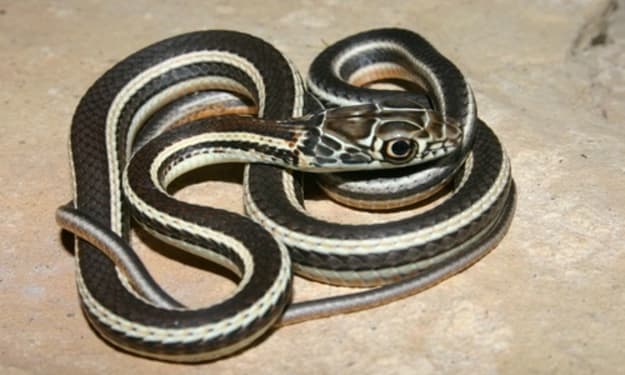
Black Snakes
The Striped Whipsnake, scientifically known as Masticophis taeniatus, is a non-venomous snake species found in various parts of North America, including the southwestern United States and parts of Mexico. It is known for its slender, elongated body and distinctive striped pattern. Here are some key characteristics and information about the Striped Whipsnake:
By Emily Gardenar2 years ago in Writers
Should We Not Try to Get Too Political?
Here's something you often hear people say, "I try not to get too political." I understand the sentiment and I sympathize with it... while at the same exact time, I completely disagree with the notion. Whether it's referring to social media or wherever, it's kind of unavoidable. You can attempt to sidestep it, not engage, leave the less important things for actual politicians to discuss... you can want it to not take over your life, your conversations, your relationships, and that makes perfect sense.
By Stephen Kramer Avitabile26 days ago in Writers
Why Concrete Leveling Matters in St. George’s Climate
Concrete is known for its durability, but even the strongest surfaces can shift over time. Driveways, patios, sidewalks, and garage floors often develop uneven areas due to soil movement and environmental factors. In places like St. George, where desert conditions meet seasonal rainfall, these changes can happen gradually yet significantly.
By Abbasi Publisherabout an hour ago in Writers
When the Shelter Closes
Across the street from my house, a man slept under a tree, his dog by his side. My first, naive thought: he must be traveling through. But he kept coming back, often sleeping there during the day. Then it hit me—that person might not have a home.
By Bride of Sound5 days ago in Humans



Comments
There are no comments for this story
Be the first to respond and start the conversation.