
Bamboo vs. Plastic: Which is Better for the Environment?
Is bamboo is better then plastic?
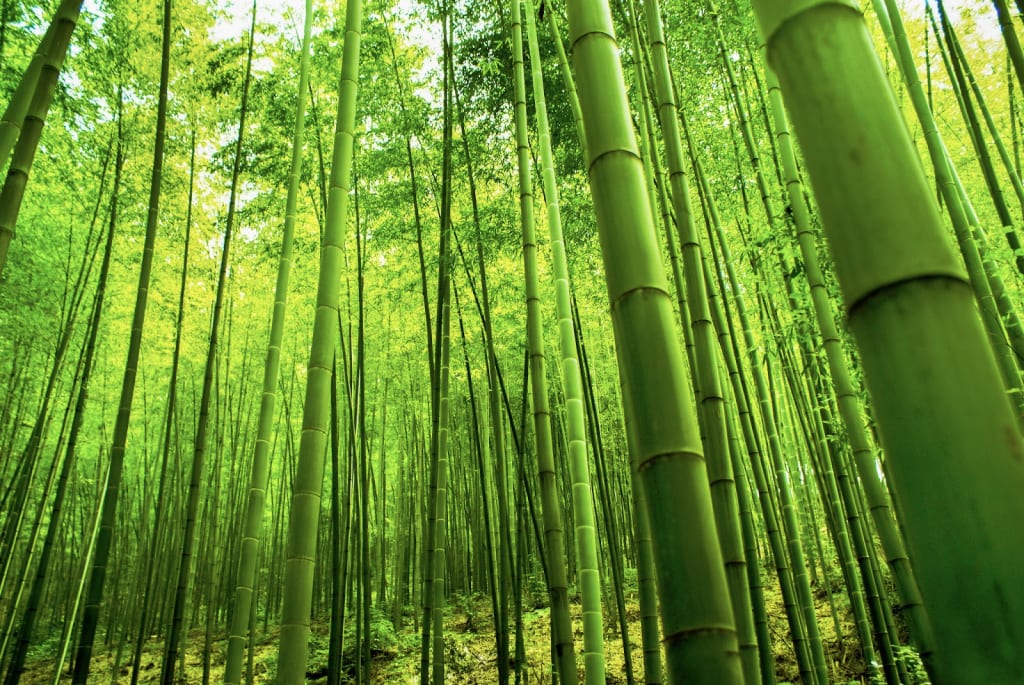
In today's world, the choice between bamboo and plastic has become a significant topic of discussion, particularly regarding environmental sustainability. Both materials have their uses, but how do they compare in terms of environmental impact?
Bamboo: The Green Alternative
Renewable Resource
Bamboo is a highly renewable resource, known for its rapid growth rate. Unlike trees, which can take decades to mature, bamboo can be harvested in just a few years. This makes it an excellent choice for sustainable production.
Biodegradable
Bamboo products are biodegradable, meaning they break down naturally without harming the environment. This is a stark contrast to plastic, which can take hundreds of years to decompose, leading to long-term pollution.
Low Carbon Footprint
The cultivation and processing of bamboo require less energy compared to plastic manufacturing. Additionally, bamboo absorbs large amounts of CO2, which helps in reducing greenhouse gases in the atmosphere.
Plastic: The Persistent Pollutant
Durability and Versatility
Plastic is incredibly durable and versatile, making it suitable for a wide range of applications. However, this durability comes at a cost: its long decomposition time contributes to significant environmental pollution.
Non-Renewable Resource
Most plastics are derived from petroleum, a non-renewable resource. The extraction and processing of petroleum contribute to environmental degradation and carbon emissions.
Pollution and Wildlife Impact
Plastic pollution is a major global issue. Oceans, rivers, and landscapes are littered with plastic waste, which poses a severe threat to wildlife. Marine animals often ingest plastic debris, leading to injury or death.
Making the Better Choice
When comparing bamboo and plastic, bamboo emerges as the clear winner in terms of environmental impact. Its renewability, biodegradability, and lower carbon footprint make it a more sustainable choice. However, it's essential to consider the context of use. For products requiring high durability and versatility, plastic might still be necessary, but efforts should be made to minimize its use and improve recycling processes.
Switching to bamboo products where feasible can significantly reduce our environmental footprint. By making conscious choices, we can contribute to a healthier planet for future generations.
Choosing between bamboo and plastic isn't just about material; it's about making informed decisions for a sustainable future. Embrace the green revolution with bamboo, and let's work together to reduce our reliance on plastic.
About the Creator
Keep reading
More stories from writers in Writers and other communities.
SharedEasy Guide on How to Buy Residential Property Without Stress
Purchasing a home belongs to life's most significant financial decisions. For many first time buyers, the process appears intimidating because of its maze of paperwork, inspections and negotiations. Industry experts agree that with solid preparation plus knowledge, anyone moves through the home buying journey successfully. This is what prospective homeowners need to know to decide with confidence.
By Ausfab Groupa day ago in Writers
Living in a hemp house
Hemp, a multi-purpose crop that delivers fibres, shivs, seeds, and pharmaceuticals is currently used in insulation materials and bio-composites for a more sustainable construction industry. Russ Martin and his wife Karon Korp tell their story as owners of the first hemp house in the U.S.
By Susan Fourtané 2 days ago in Interview
TUS NUA - ch 49
TUS NUA – ch 49 New Beginnings – Mia and Midnight (*)(*)(*) As Mia spoke on the phone to Ali’s sister, Ellen, Finola slipped quietly away and walked to the stream behind Tus Nua. Carefully, she put a block on her family so no one could know what she was about to do.
By Margaret Brennan3 days ago in Fiction



Comments (1)
I prefer bamboo all the way , nice content