
Are Vapes Safer Than Smoking? The Latest Research Explained
Are Vapes Safer Than Smoking? Research Says This

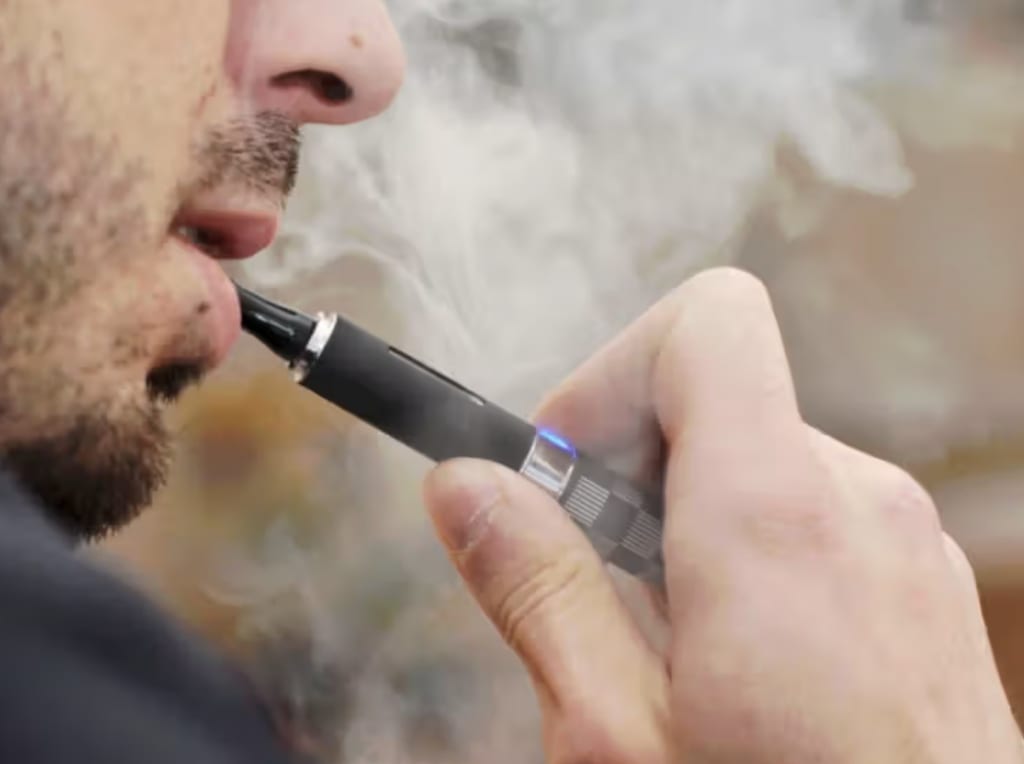
The debate over vaping's safety compared to traditional smoking isn't new—but it's still as heated as ever. For smokers considering switching to vaping or for vaping enthusiasts curious about its risks, understanding the facts is crucial. This blog dives into the latest research, expert opinions, and guidance, helping you make informed decisions about vaping and smoking.
Understanding Smoking Risks
Smoking traditional cigarettes is well-known for its severe health consequences. Here's what we know:
- Cancer: Smoking is a leading cause of lung cancer and has been linked to cancers of the mouth, throat, pancreas, and more.
- Heart Disease: Tobacco use contributes to high blood pressure, heart attack, stroke, and other cardiovascular diseases.
- Respiratory Issues: Prolonged smoking damages the lungs, causing conditions like emphysema, chronic bronchitis, and increased vulnerability to infections.
- Addiction: The nicotine in cigarettes is highly addictive, making quitting a challenging process.
- Premature Death: According to the CDC, smoking is attributed to over 480,000 deaths annually in the U.S. alone.
There's no safe level of smoking—it's universally harmful. While cessation programs help many quit, others are exploring alternatives like vaping.
Examining Vaping Risks
Vaping emerged as an alternative to traditional smoking, but it comes with its own set of concerns. Here are some potential risks to consider:
Impact of E-Liquids: Vaping involves heating e-liquids that typically contain nicotine, flavorings, and other chemicals. While they don't produce tar like cigarettes, these solutions may emit potentially harmful substances.
- Additives and Flavorings: Some flavoring agents, such as diacetyl, have been linked to respiratory conditions (like "popcorn lung").
- Nicotine Dependence: Many vaping products deliver nicotine, which still poses addiction risks.
- Unknown Long-Term Effects: Vaping hasn't been around long enough to fully understand its long-term health impact.
- Device Safety: Improper handling of devices like pod systems, disposable vapes, or box mod kits poses risks, particularly if batteries malfunction.
While vaping may carry fewer risks than smoking, it is far from risk-free.
Recent Research Findings
To better understand the safety of vaping, researchers are actively comparing its risks to smoking. Here's what the latest studies reveal:
- Lower Toxin Exposure: Studies, including a 2022 review published in Addiction, found that vaping results in significantly lower exposure to harmful chemicals (like carbon monoxide) compared to smoking.
- Nicotine Delivery Patterns: A 2023 study in The New England Journal of Medicine noted that vaping provides smokers with a similar nicotine fix but without the combustion of tobacco—a major source of health risks.
- Cessation Aid: Research from Public Health England concluded that e-cigarettes are at least 95% less harmful than smoking and could be a useful quitting aid.
- Emerging Risks: Some evidence also flags potential harms associated with certain poorly regulated e-liquids and high-wattage devices.
While these findings lean in vaping's favor for smokers looking to quit, the data underscores the need for thoughtful use and regulation.
Expert Opinions
Medical professionals have strong views on the smoking-versus-vaping debate.
- On Harm Reduction: Dr. Michael Siegel, a public health expert, highlights that while vaping isn't entirely safe, "it is vastly safer than traditional smoking due to the absence of combustion."
- On Moderation: Pulmonologists like Dr. Erika Janzen emphasize caution, stating, "E-cigarettes shouldn't be a gateway for non-smokers—they’re tools intended for harm reduction among adults who smoke."
- Government Stance: The FDA encourages proper regulation of vaping products, highlighting that poorly manufactured devices or e-liquids can pose risks to users.
These expert perspectives reinforce vaping as a less harmful alternative—but not necessarily as a risk-free habit.
Making Informed Decisions
Whether you're a smoker considering vaping or a potential first-time user, understanding your options is key. Follow these tips:
For Current Smokers:
- Switching to vaping may help reduce exposure to harmful toxins associated with smoking.
- Start with reliable and reputable devices, like pod systems or beginner-friendly disposable vapes.
- Opt for high-quality e-liquids without unsafe additives for greater peace of mind.
For Non-Smokers:
- If you don't currently smoke, it's best to avoid vaping altogether to minimize exposure to nicotine or unnecessary chemicals.
Use with Caution:
- Ensure you're buying from trusted manufacturers. Low-quality box mod kits or poorly tested e-liquids increase risks. Always research before purchasing.
- Follow device instructions carefully to prevent safety incidents like battery malfunctions.
Ultimately, choosing whether or not to vape depends on your individual needs, smoking habits, and health goals.
Should You Switch? Wrapping Up the Debate
When comparing vaping to smoking, the results lean in vaping's favor for harm reduction—especially for smokers seeking a safer alternative. However, it’s not without its risks, especially for non-smokers or those using unregulated products.
If you're still weighing your options, prioritize informed decision-making. Research the devices you use, from disposable vapes to pod systems, and choose high-quality e-liquids to ensure safer experiences. Consider consulting a healthcare professional for tailored guidance about your habits or transition to vaping.
At its core, quitting nicotine altogether remains the healthiest option. However, for those unable to quit smoking, vaping may serve as a useful stepping stone toward reducing harm.
About the Creator
VDC
Vape.com, launched in 2022, offers 10,000+ vaping products with fast shipping, real-time inventory, and excellent customer service.
Mutual Aid: A Factor of Evolution
Mutual Aid: A Factor of Evolution is a 1902 collection of anthropological essays by Russian naturalist and anarchist philosopher Peter Kropotkin. The essays, initially published in the English periodical The Nineteenth Century between 1890 and 1896, explore the role of mutually beneficial cooperation and reciprocity (or "mutual aid") in the animal kingdom and human societies both past and present. It is an argument against theories of social Darwinism that emphasize competition and survival of the fittest, and against the romantic depictions by writers such as Jean-Jacques Rousseau, who thought that cooperation was motivated by universal love. Instead, Kropotkin argues that mutual aid has pragmatic advantages for the survival of human and animal communities and, along with the conscience, has been promoted through natural selection.
By New Oasis International Foundation about 8 hours ago in Writers
The Blue Ridge Stalker
Tom had left the Ford down the way, its spark plugs finally exhausted and no mechanics for a dozen miles back through the foothills to Strossburg. No matter, he had worn his boots—almost as if he planned for this to happen. The puzzle he sought to solve emanated from the woods clinging to the slopes above; the valley behind held no mysteries.
By Stephen A. Roddewig3 days ago in Fiction




Comments
There are no comments for this story
Be the first to respond and start the conversation.