
Apple Resists British Surveillance Order, Fights for iCloud Privacy
UK Court Confirms Apple’s Legal Challenge Against British Government Over iCloud Encryption Order
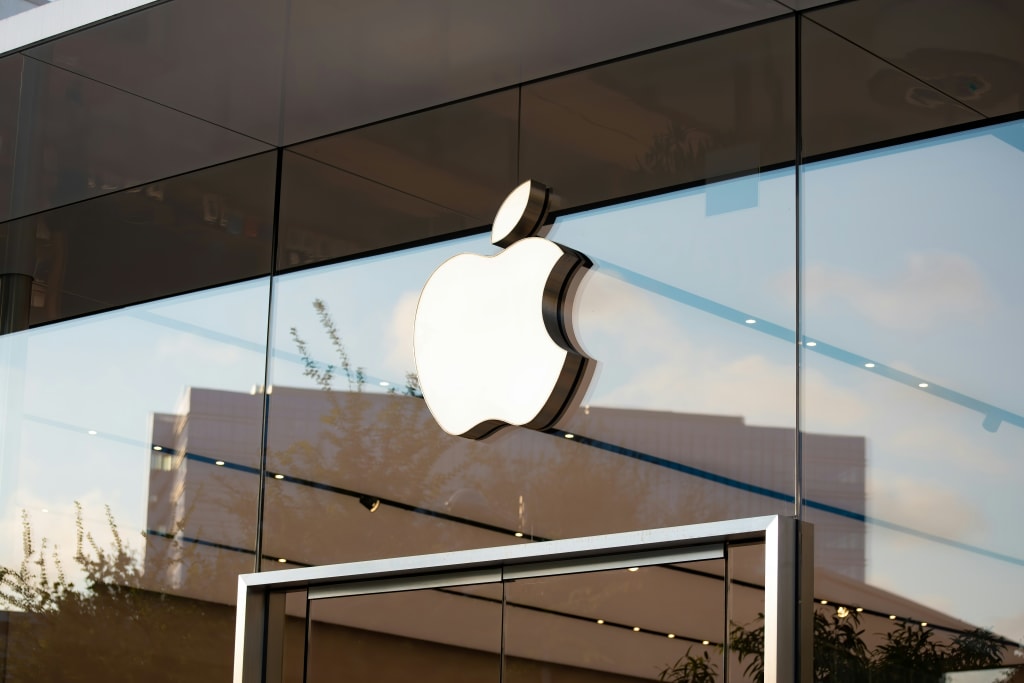
A quiet legal storm is brewing between one of the world's most valuable companies and the British government—a confrontation that could redefine the boundaries of privacy in the digital age. The Investigatory Powers Tribunal (IPT), the UK's secretive court that handles national security cases, has confirmed that Apple is legally challenging the government over demands to weaken iCloud encryption.
At the heart of the dispute is a Technical Capability Notice (TCN)—a powerful legal instrument that allows the UK government to compel tech companies to modify their products for surveillance purposes. While the exact contents remain classified, reports suggest the order requires Apple to provide law enforcement with access to encrypted iCloud data, effectively creating a backdoor into users' private communications and files.
A Silent Removal, A Loud Legal Fight
Earlier this year, Apple quietly disabled end-to-end encryption for iCloud backups in the UK, a move that privacy advocates now suspect was linked to this TCN. The company has not explicitly confirmed the connection, but its longstanding stance against backdoors is well-documented. In a statement, Apple reiterated:
"We have never weakened our encryption for any government, and we never will."
The UK government, meanwhile, has maintained its usual stance of neither confirming nor denying the existence of individual TCNs. However, in a rare public comment, a spokesperson insisted that these notices do not grant "direct access" to data and must be accompanied by warrants.
"TCNs are a necessary tool to combat serious crime and terrorism," the spokesperson said. "They operate within strict legal frameworks and do not expand investigatory powers beyond what Parliament has approved."
Why This Case Matters
This legal battle is more than just a corporate dispute—it’s a watershed moment for privacy rights. If the UK prevails, it could set a dangerous precedent:
Global Ripple Effect: Other governments may demand similar access, forcing Apple to weaken encryption worldwide.
Security Risks: Backdoors for law enforcement could be exploited by hackers or authoritarian regimes.
User Trust: Tech companies may face a crisis of confidence if seen as complicit in surveillance.
The case also highlights the growing tension between Silicon Valley and democratic governments over encryption. While Apple, Signal, and WhatsApp have fought to protect user privacy, authorities argue that unbreakable encryption hampers criminal investigations.
Transparency vs. Secrecy: A Rare Disclosure
The fact that this case became public at all is unusual. The IPT, which typically operates in secrecy, allowed limited details to be released after pressure from media organizations, civil liberties groups, and even members of U.S. Congress, who argued that the public had a right to know.
The tribunal ruled that confirming the case’s existence—without revealing operational details—would not harm national security. This small crack in the UK’s surveillance opacity has been welcomed by transparency advocates.
"Secret laws and secret courts have no place in a democracy," said a representative from Big Brother Watch, a UK privacy NGO. "If the government can force Apple to break encryption, the public deserves to know."
International Backlash and the U.S. Factor
The UK’s aggressive stance on encryption has not gone unnoticed abroad. Former U.S. President Donald Trump once criticized British surveillance laws as "overreach," while current Director of National Intelligence Avril Haines has warned that such demands could strain international tech alliances.
Legal experts suggest that if Apple loses, it may face similar demands from other Five Eyes nations (the intelligence alliance including the U.S., Canada, Australia, and New Zealand). Some fear a domino effect where encryption is systematically dismantled in the name of security.
What Happens Next?
The case is still in its early stages. The IPT will soon release a procedural timeline after both Apple and the UK Home Secretary review a confidential judgment. Possible outcomes include:
Apple Wins: The TCN is ruled unlawful, setting a precedent against forced backdoors.
UK Wins: Apple may be forced to comply, potentially withdrawing certain services from the UK market.
Compromise: A middle-ground solution, such as limited access with stricter oversight.
The Bigger Picture: Privacy in Peril?
This legal clash underscores a fundamental question: Can privacy survive in an era of mass surveillance? As governments push for greater access to personal data, tech companies are becoming the last line of defense for digital rights.
If Apple backs down, it could embolden other nations to demand similar concessions. But if it fights—and wins—it may preserve encryption as we know it.
One thing is certain: the outcome of Apple vs. UK Government won’t just affect British iPhone users—it will shape the future of privacy for everyone.
About the Creator
Keep reading
More stories from Shafy Khan and writers in Writers and other communities.
Untitled
I pat my brows with a handkerchief I fancy, and I think about the plight we are in today; it makes me squirm. In all my words you seek to find a formula, but your ledgers are filled with trending tabs (ephemeral tallies). You make me feel like I should be held in a box. It is impossible for someone to grow or be better than they were yesterday; simply by choice, they wish to step back and publish a little slower, less frequently.
By Caitlin Charltonabout a month ago in Writers
Why More Families Are Choosing DOs for Primary Care | E. Griffin Cipolla
Choosing a primary care provider is one of the most important healthcare decisions a family can make. In recent years, more families are turning to Doctors of Osteopathic Medicine (DOs) for their everyday medical needs for good reason. DOs offer a whole-person approach that blends modern medicine with a strong emphasis on prevention, compassion, and long-term wellness.
By Patrick Mphephu6 days ago in Writers



Comments (1)
good news🤍