
Anthurium Besseae: How to Grow & Care
Anthurium Besseae: Bringing Lush Elegance to Your Home
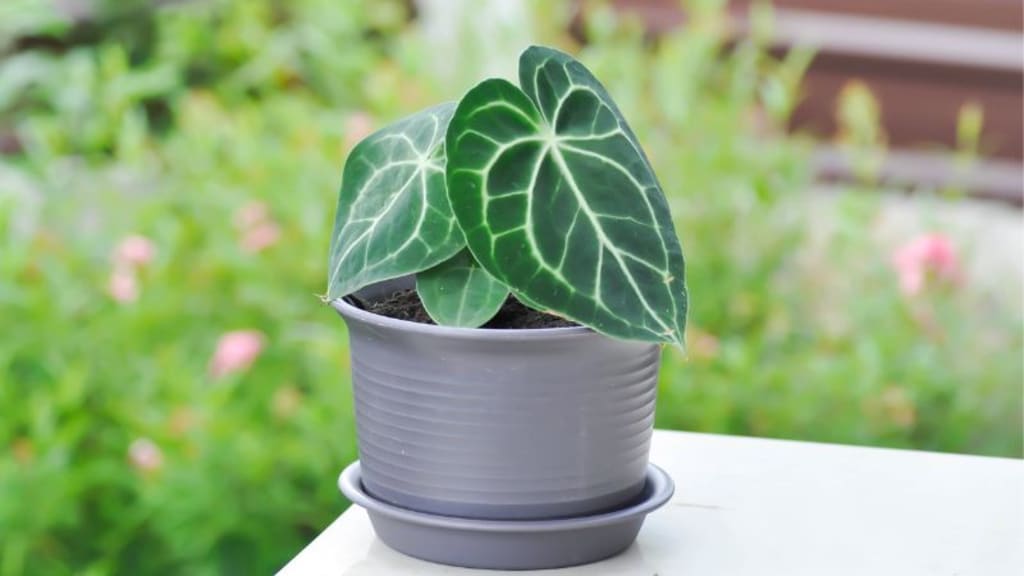
The Anthurium besseae, with its velvety, heart-shaped leaves and delicate, curved flower spathes, is a striking addition to any indoor space. Its deep green foliage and vibrant red (or occasionally orange, green, or white) spathes add a touch of tropical elegance that's sure to turn heads.
But before you rush out and add this beauty to your collection, let's delve into the world of Anthurium besseae care!
Lighting:
Anthurium besseae thrives in bright, indirect sunlight. Too much direct sun can scorch the leaves, while insufficient light can lead to leggy growth and fewer blooms. A spot near an east-facing window is ideal.
Watering:
Keep the soil consistently moist, but avoid overwatering. Allow the top inch of soil to dry slightly before watering again. Soggy soil can lead to root rot, so proper drainage is crucial. Use a well-draining potting mix specifically formulated for aroids.
Humidity:
This tropical native craves high humidity, ideally around 60-80%. Grouping it with other humidity-loving plants, using a humidifier, or placing a pebble tray under the pot can help create a more favourable environment.
Temperature:
Aim for temperatures between 65-85°F (18-29°C). Avoid cold drafts and sudden temperature fluctuations.
Fertilizing:
During the growing season (spring and summer), fertilize once a month with a half-strength liquid fertilizer for aroids. Avoid fertilizing during dormancy (winter).
Soil:
A well-draining, aerated potting mix is essential. A mixture of orchid bark, perlite, and coconut coir is a good option.
Common Issues:
Brown leaf tips: This can be caused by underwatering, low humidity, or too much fertilizer.
Yellowing leaves: This could be due to overwatering, nutrient deficiency, or insufficient light.
Pest and diseases: Anthurium besseae is relatively pest-resistant, but keep an eye out for mealybugs and fungal diseases.
Propagation:
You can propagate Anthurium besseae by division or stem cuttings. Division is best done during repotting, while stem cuttings can be taken throughout the year.
Repotting:
Repot your Anthurium besseae every 1-2 years, choosing a pot one size larger than the current one.
Toxicity:
Like many other aroids, Anthurium besseae is toxic to humans and pets if ingested. Keep it out of reach of children and animals.
Additional Tips:
Use tepid water for watering.
Mist the leaves regularly to increase humidity.
Avoid using leaf shine products, as they can clog the pores.
Enjoy your beautiful Anthurium besseae! With proper care, it will reward you with lush foliage and vibrant blooms for years to come.
Anthurium besseae plant
Anthurium besseae flower closeup
Remember, every plant is an individual, so observe your Anthurium besseae and adjust its care based on its specific needs. With a little love and attention, you can create a thriving oasis of your own with this captivating tropical gem
About the Creator
Keep reading
More stories from Adam Williams and writers in Writers and other communities.
Difficulties Of Holidays On Vocal
Introduction Last week I had a wonderful week in Alnwick, but tried to keep up on Vocal, although my time was less than I normally have, plus a little more difficult because I was using a ten-year-old laptop with a faulty keyboard (the space bar does not always register, meaning I have to keep going back to separate words).
By Mike Singleton 💜 Mikeydred 6 days ago in Writers




Comments
There are no comments for this story
Be the first to respond and start the conversation.