
AI-Enhanced Journalism: The Evolving Role of Reporters and Content Writers
The Evolving Role of Reporters and Content Writers
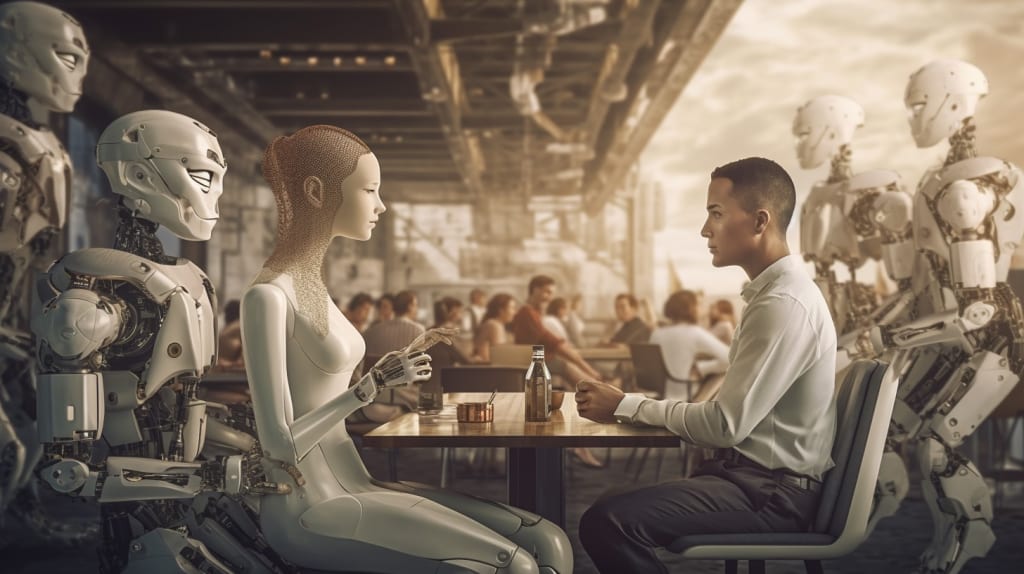
In the rapidly changing landscape of journalism, the infusion of AI, particularly through generative AI development services, is altering the way news is gathered, reported, and consumed. This evolution is not just a shift in tools and methods but a transformation of the roles reporters and content writers play in the dissemination of information.
The Changing Face of Journalism
Traditionally, journalism has been the domain of human reporters who gather facts, interview sources, and craft news stories. However, as AI continues to advance, its applications in journalism have become more prevalent, sparking discussions about the evolving role of reporters and content writers.
The introduction of AI into journalism is not without its challenges. A UK paper has recently highlighted AI risks ahead of a global safety summit, underscoring the need for careful consideration and regulation in the field. This backdrop of caution reminds us that while AI can be a powerful tool, it should be harnessed responsibly to ensure it serves the public interest.
The Role of AI in Journalism
AI's role in journalism is multifaceted. It can assist in data analysis, identify trends, and even generate news reports quickly. Generative AI development services are at the forefront of this transformation, with the capability to generate coherent text in record time. This is particularly useful in breaking news situations, where speed is of the essence.
However, the application of AI in journalism goes beyond simply generating content. It can help reporters analyze large datasets to uncover patterns, which can be especially valuable in investigative reporting. AI can also provide recommendations for content topics and angles that are likely to engage readers, assisting content writers in tailoring their work for a broader audience.
Challenges and Considerations
The integration of AI in journalism is not without its share of challenges. First and foremost is the issue of algorithmic bias. AI models learn from the data they are trained on, and if that data contains biases, they can perpetuate them. This is a serious concern, as biased reporting can have significant societal consequences. The responsibility lies with journalists to ensure that AI-generated content is rigorously reviewed and scrutinized for fairness and accuracy.
Another challenge is the potential displacement of human journalists. While AI can generate content quickly, it may lack the nuanced understanding, contextual awareness, and investigative skills that human reporters bring to the table. The human touch, with its ability to discern the subtleties of a story and its ethical implications, is an essential aspect of journalism that AI cannot replicate.
And then there's the curious dimension of arguing with ChatGPT. Some journalists and writers have tested AI by engaging in debates or discussions, often revealing the limitations of AI in handling complex, nuanced topics. It serves as a reminder that AI, while impressive, still has room to grow in comprehending the intricacies of human language and debate.
The Future of AI-Enhanced Journalism
AI's role in journalism is not about replacing human reporters and content writers but rather enhancing their capabilities. By handling routine, data-driven tasks and providing valuable insights, AI can free up human journalists to focus on more creative, complex, and nuanced aspects of reporting. This collaborative approach holds the potential to produce higher-quality journalism.
In conclusion, AI-enhanced journalism is a reality, and it's changing the way news is reported. However, it's crucial that this transformation occurs responsibly, with journalists and content writers at the forefront of the decision-making process. While AI can generate content quickly, it's the human touch that ensures that the content is ethical, unbiased, and true to the core values of journalism. As we navigate this evolving landscape, it's essential to strike a balance between the capabilities of AI and the ethical responsibilities of human reporters and content writers.
About the Creator
Aishwarya Oscar
Predominantly known for our AI Chatbots and Staffing and IoT solutions, we offer a wide array of IT services that range across the Web, Mobile, and Enterprise niches.
Keep reading
More stories from Aishwarya Oscar and writers in Writers and other communities.
AI and Creative Industries
In the realm of creative industries, where innovation and expression are paramount, the integration of Artificial Intelligence (AI) is redefining the boundaries of art and content creation. Leading AI development companies are at the forefront of this transformation, developing innovative solutions that enhance creativity, streamline processes, and unlock new possibilities. In this article, we'll explore how AI is making a significant impact on creative industries and highlight top AI development companies that are reshaping art and content creation.
By Aishwarya Oscar2 years ago in Art



Comments
There are no comments for this story
Be the first to respond and start the conversation.