
Additional Risk Minimization Measures: Safeguarding Assets and Enhancing Resilience
Pharmacoviligiance
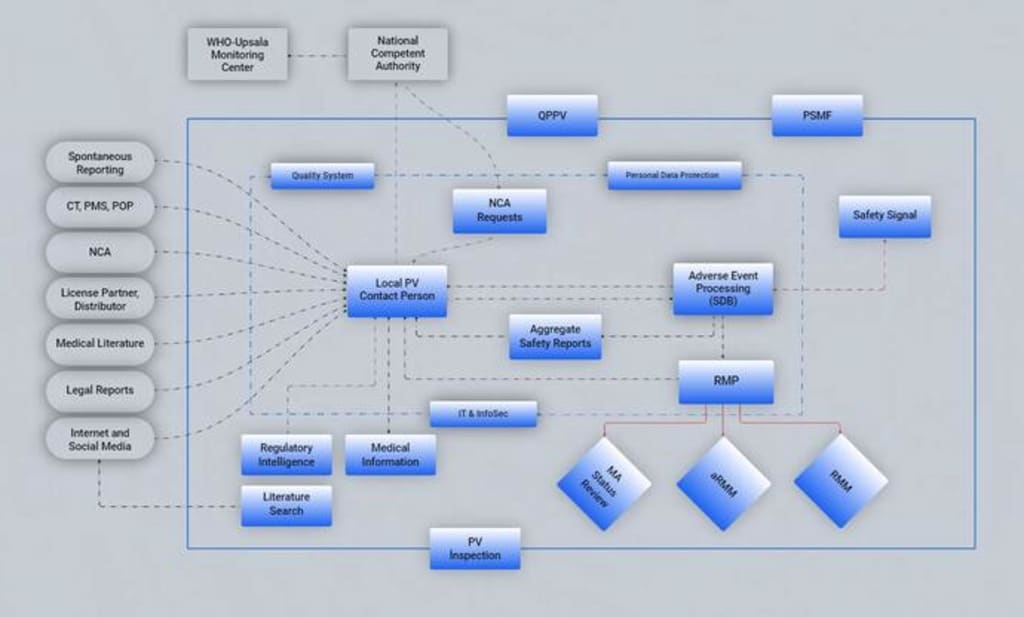
In today's increasingly complex and interdependent world, organizations face a myriad of risks ranging from operational and financial to cyber threats and environmental hazards. The dynamic landscape demands that businesses not only identify and mitigate risks but also adopt additional risk minimization measures to safeguard their assets and enhance overall resilience. In this article, we will explore several effective strategies that organizations can implement to bolster their risk management frameworks.
#### 1. Comprehensive Risk Assessment
Before implementing additional measures, it is crucial to conduct a thorough risk assessment. This process involves identifying potential threats, evaluating their likelihood and impact, and prioritizing them based on severity. This foundational step ensures that organizations can tailor their risk mitigation strategies effectively. Employing qualitative and quantitative methods, such as SWOT analysis or failure mode and effects analysis (FMEA), can provide valuable insights into the organization's risk profile.
#### 2. Diversification of Assets and Resources
Diversifying assets is a powerful strategy for minimizing risk. This principle applies across various domains, from investment portfolios to supply chains. By spreading resources across different assets, industries, and geographic locations, businesses can reduce their exposure to localized risks. For example, a company relying solely on a single supplier may face significant disruption in case of supply chain disruptions. Establishing relationships with multiple suppliers can enhance resilience against unforeseen events.
#### 3. Development of a Robust Incident Response Plan
An incident response plan (IRP) outlines the procedures for addressing incidents, whether they are cybersecurity breaches, natural disasters, or operational failures. A well-crafted IRP enables organizations to respond swiftly and effectively, minimizing the impact of adverse events. Regular testing and updates of the IRP are essential to ensure that it remains relevant and functional. Additionally, training employees on their roles within the IRP prepares the workforce to act decisively when threats arise.
#### 4. Strengthening Cybersecurity Measures
With cyber threats on the rise, organizations must prioritize cyber risk management. Implementing a multi-layered cybersecurity strategy that includes firewalls, encryption, intrusion detection systems, and regular software updates can significantly reduce vulnerability. Additionally, conducting regular security audits and penetration testing can identify weaknesses within the organization's systems before they are exploited by malicious actors.
#### 5. Establishing a Risk-Aware Culture
Creating a risk-aware culture within the organization is essential for effective risk management. This involves training employees at all levels to recognize potential risks and empowering them to report concerns. Regular workshops, seminars, and awareness campaigns can help instill a proactive mindset towards risk management. When employees understand the risks their organization faces, they are better equipped to contribute to its mitigation efforts.
#### 6. Leveraging Technology for Predictive Analytics
Technological advancements in predictive analytics can provide invaluable insights into potential risks. Organizations can harness big data, machine learning, and artificial intelligence to analyze trends, identify anomalies, and predict potential disruptions. Leveraging these technologies allows for more informed decision-making and enables businesses to implement preventive measures before risks materialize.
#### 7. Collaboration with External Experts
Engaging with external experts and consultants can provide organizations with access to specialized knowledge and resources. Collaborating with industry experts can enhance risk assessments, provide insights into best practices, and offer fresh perspectives on potential vulnerabilities. Additionally, forming strategic partnerships with other organizations can create a shared framework for risk management, allowing companies to benefit from each other's experiences and lessons learned.
#### 8. Continuous Monitoring and Review
Risk management is not a one-time effort but an ongoing process. Continuous monitoring of risk factors and regular reviews of risk mitigation strategies are essential for adapting to changes in the business environment. Establishing key performance indicators (KPIs) helps organizations track the effectiveness of their risk management initiatives and make necessary adjustments proactively.
#### Conclusion
In an era where uncertainty is the only certainty, implementing additional risk minimization measures is paramount for organizations looking to protect their assets and ensure long-term viability. By adopting a comprehensive approach that encompasses assessment, diversification, incident response planning, cybersecurity, culture, technology, collaboration, and continuous monitoring, businesses can navigate the complexities of risk in a manner that enhances resilience and secures their futures. In doing so, they not only safeguard their operations but also foster trust among stakeholders and create a foundation for sustainable growth.
About the Creator
Keep reading
More stories from Eldaniz Hasanov and writers in Writers and other communities.
# Pharmacovigilance Computerized System Validation: Ensuring Drug Safety and Compliance
Pharmacovigilance (PV) is a critical aspect of drug development and lifecycle management, focusing on the detection, assessment, understanding, and prevention of adverse effects or any other drug-related problems. As pharmaceutical organizations increasingly turn to computerized systems to manage vast amounts of data related to drug safety, the importance of validating these systems cannot be overstated. This article delves into the significance of pharmacovigilance computerized system validation (CSV), the regulatory landscape, best practices, and emerging trends.
By Eldaniz Hasanovabout a year ago in Writers
Draft Deleting? Don't Do It!
Today, I had a little time. I decided that I would have a look at the drafts that I have on Vocal. This is part of a long-term wish to have everything I've written on paper rather than virtually. I've not looked at them for weeks and something drew me to them, just to browse and see what was there.
By Rachel Deeming2 days ago in Writers
Impact of Aircraft Manufacturers on Aviation
Aviation industry is evolving faster than ever, driven by technological breakthroughs, sustainability goals, and rising global demand for air travel. From fuel-efficient aircraft to advanced digital systems the future of aviation is being shaped by companies that consistently push engineering boundaries and redefine performance standards.
By Beckett Dowhan7 days ago in Writers
Diaries to Nietzsche
Quotation from Friedrich Nietzsche "He who wrestles long with monsters should beware lest he himself become a monster. And if you gaze long into an abyss, the abyss also gazes into you. Man is not destroyed by suffering, but by the meaning he makes of it."
By LUCCIAN LAYTH5 days ago in Critique



Comments
There are no comments for this story
Be the first to respond and start the conversation.