
A Comprehensive Article on the History, Origin, Development, and Types of Ice Cream
ICE CREAM

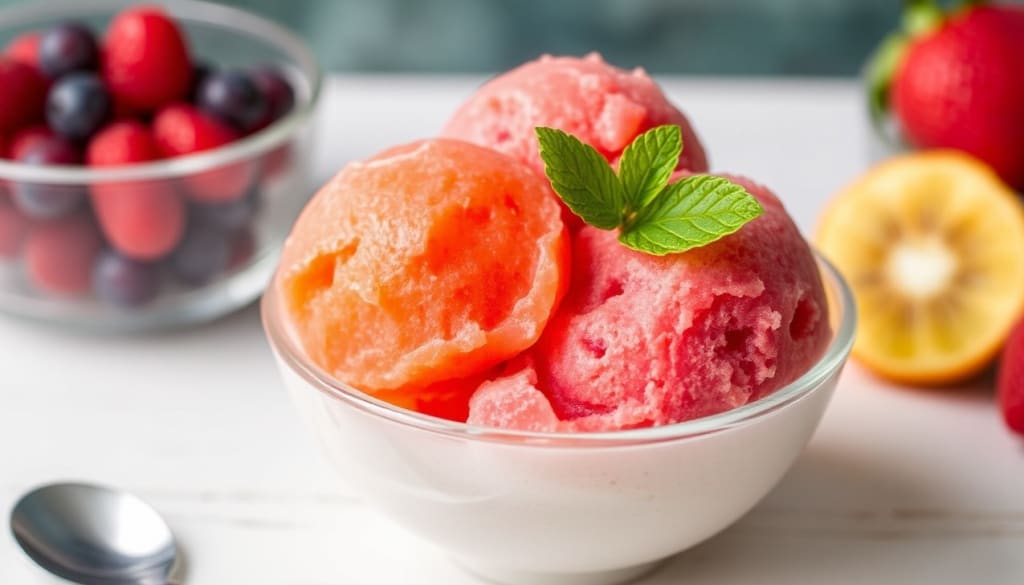
A Comprehensive Article on the History, Origin, Development, and Types of Ice Cream
Introduction
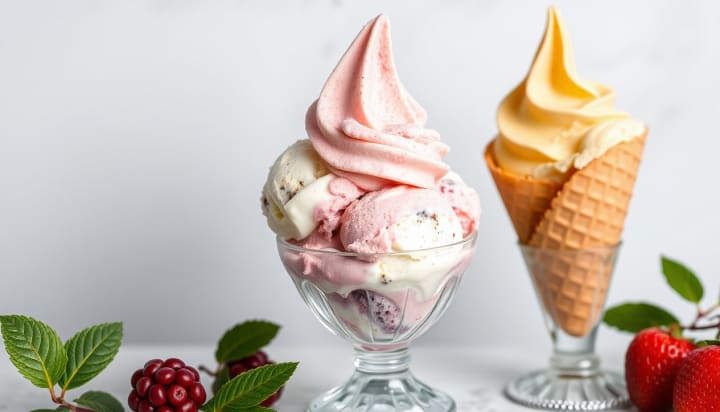
Ice cream is one of the world’s most popular frozen treats, enjoyed by people of all ages. This article explores the fascinating history of ice cream, its evolution from primitive recipes to a global favorite, and the wide variety of flavors and textures available today.
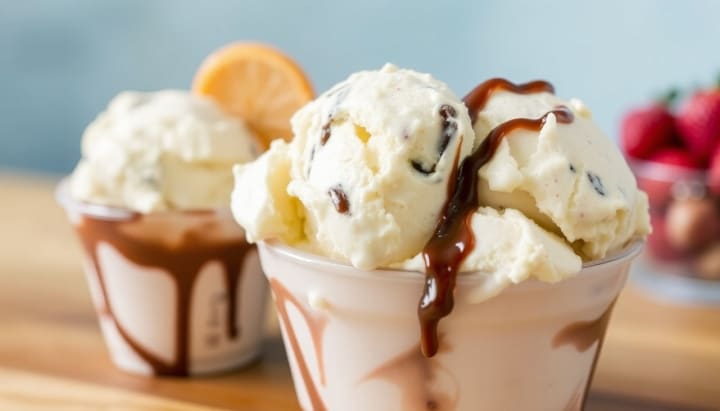
The History and Origin of Ice Cream
The origins of ice cream trace back thousands of years, with ancient Romans and Chinese being among the first to use ice to create a type of frozen dessert. In ancient Rome, the wealthy would mix ice with honey and fruit to create a refreshing treat. Meanwhile, in ancient China, rice mixed with milk was frozen, marking an early form of ice cream.
In the 17th century, ice cream made its way to Europe through trade, where Europeans began to refine recipes using milk and sugar. It eventually became a part of royal cuisine, especially in France and Italy. By the 18th century, ice cream had become popular among different social classes, particularly after reaching
America with European settlers.
The Development and Spread of Ice Cream
The 19th century marked a significant evolution in ice cream, with the invention of refrigeration machines making mass production possible and affordable. In the United States, the Industrial Revolution enabled widespread access to ice cream, which became available in restaurants and cafes. By the mid-20th century, the industry had expanded significantly, introducing new flavors and long-term storage methods.
Types of Ice Cream
Ice cream today is available in many types and forms, catering to various tastes and dietary needs. Some of the most popular types include:
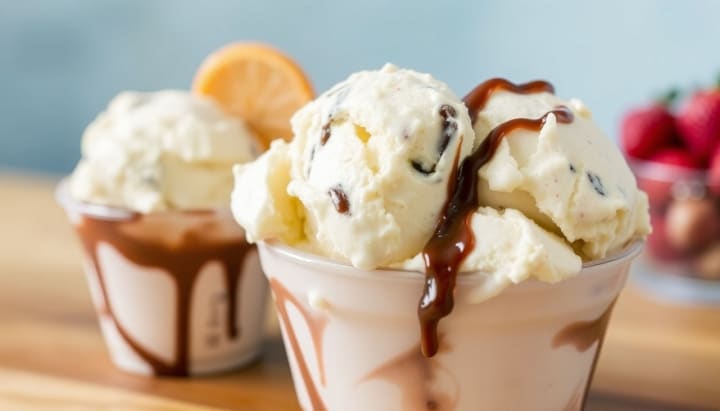
1. Traditional Ice Cream: Made with milk, cream, sugar, and added flavors like chocolate or fruits, traditional ice cream has a rich, creamy texture and
is served in scoops or cups.
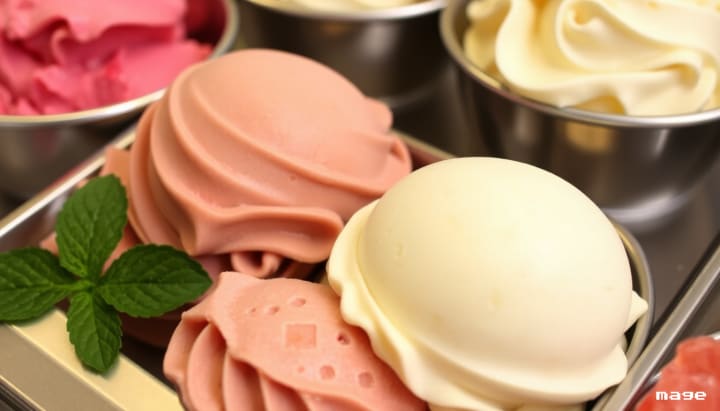
2. Italian Gelato: Known for its dense texture and intense flavor, gelato is churned with less air than traditional ice cream and contains less fat, resulting in a thicker consistency and concentrated taste.
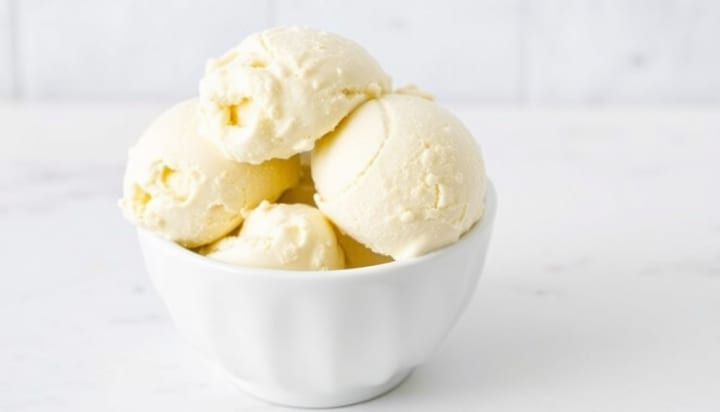
3. Vegan Ice Cream: Made with plant-based milks, such as almond or coconut milk, vegan ice cream is an excellent option for those following a vegan diet or with dairy allergies.
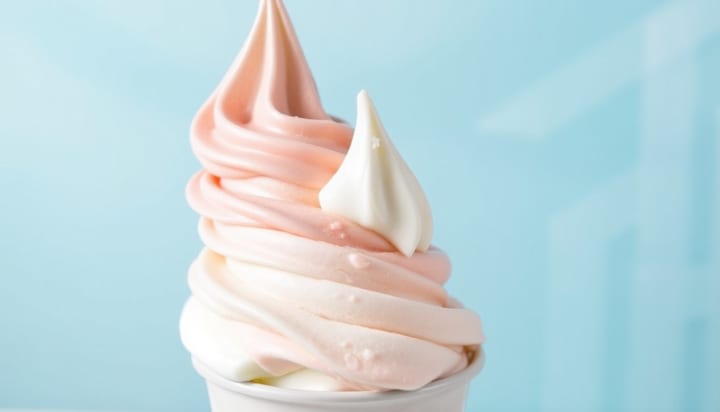
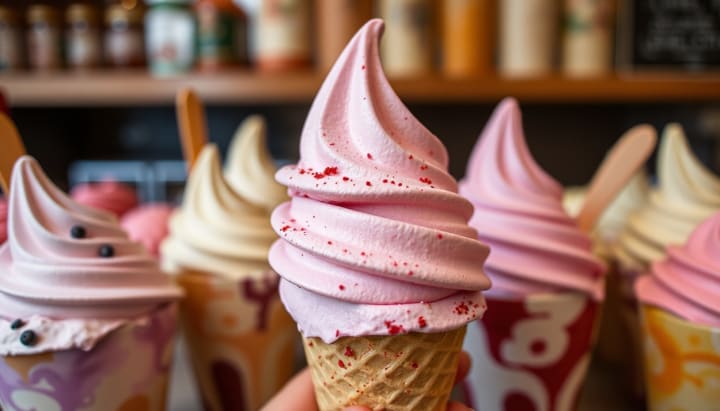
4. Soft Serve: Characterized by its light texture and smooth consistency, soft serve has more air incorporated, making it lighter than traditional ice cream.
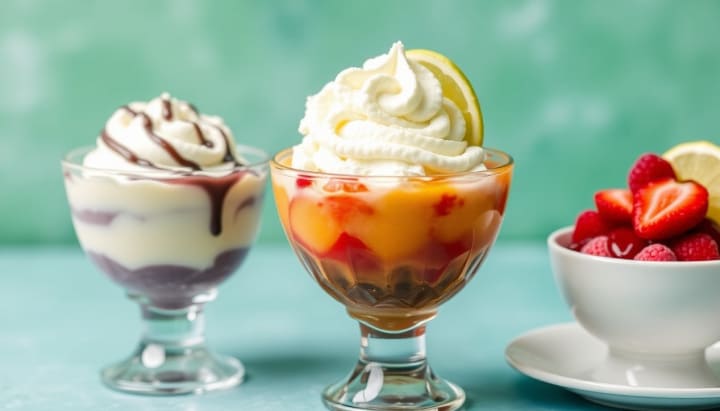
5. Frozen Desserts: These contain a higher water content and are generally lighter and less creamy, with a refreshing variety of flavors.
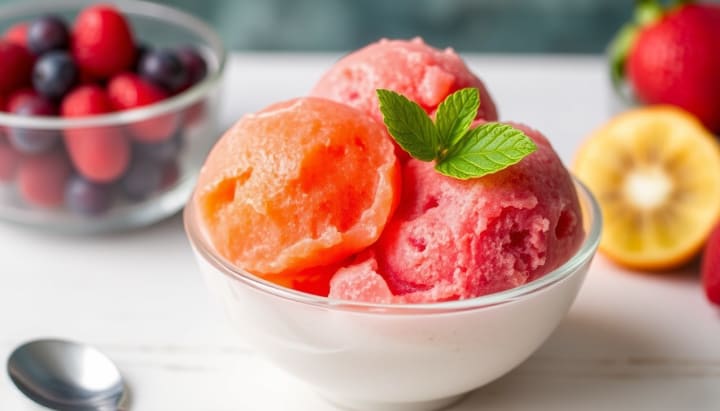
6. Sorbet: Made from fresh fruit and water, sorbet is dairy-free, making it a suitable choice for those who are lactose intolerant.
The Creativity in Ice Cream Flavors
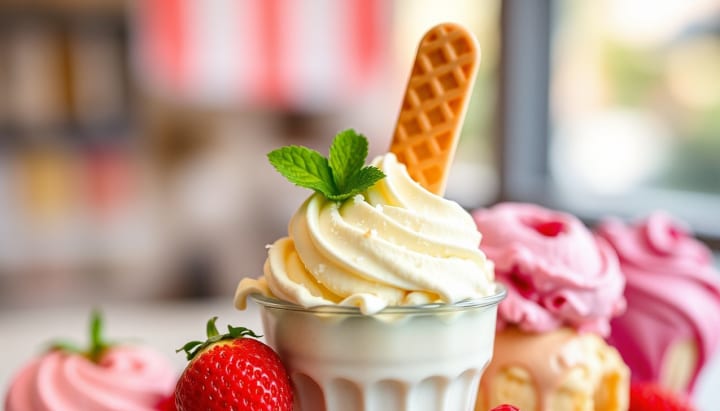
The ice cream industry has become highly creative, offering unique and unconventional flavors such as saffron, chili, and lavender to satisfy adventurous palates. Many shops also offer seasonal flavors that use fresh local ingredients, enhancing the overall ice cream experience.
Conclusion
Ice cream has grown to be more than just a dessert; it embodies a blend of culture and global heritage with a modern twist. Its evolution through the ages has made it accessible to people worldwide, regardless of age or background, and it continues to develop to meet the diverse tastes of its audience.
About the Creator
Ali Sadeek Ahmed
Engineer-writer,( content creator, and poet )-Blogger-Youtuber
Reader insights
Nice work
Very well written. Keep up the good work!
Top insights
Easy to read and follow
Well-structured & engaging content
Expert insights and opinions
Arguments were carefully researched and presented
On-point and relevant
Writing reflected the title & theme
Keep reading
More stories from Ali Sadeek Ahmed and writers in Writers and other communities.
TOMORROW
TOMORROW What is Tomorrow? Tomorrow is a measure of time—seconds, minutes, hours, or a few days—but it remains unknown to us. Everything may come to an end in a moment, and there may be no tomorrow. We speak of tomorrow with hope, confidence, and without concern, as we have grown accustomed to the word "tomorrow."
By Ali Sadeek Ahmedabout a year ago in Writers
Early March 2026: 4 Goals Accomplished
It's early March and I've now accomplished my 4th writing goal for the year of 2026. Before diving into the behind-the-scenes of it... why not tell you up front what that accomplishment was? I was published in a 2nd publication for this year. Published in Helix Literary Magazine out of Central Connecticut State University. You can read it for free right now!
By Stephen Kramer Avitabile7 days ago in Writers




Comments (1)
My dear friend today I feel that need ice cream about that I write the article first and after that, I will go to get it are any of my friends need ice cream WELCOME TO ICE CREAM CLUB