
Why the Volkswagen Thing Flopped in the U.S. Market
While others sell well

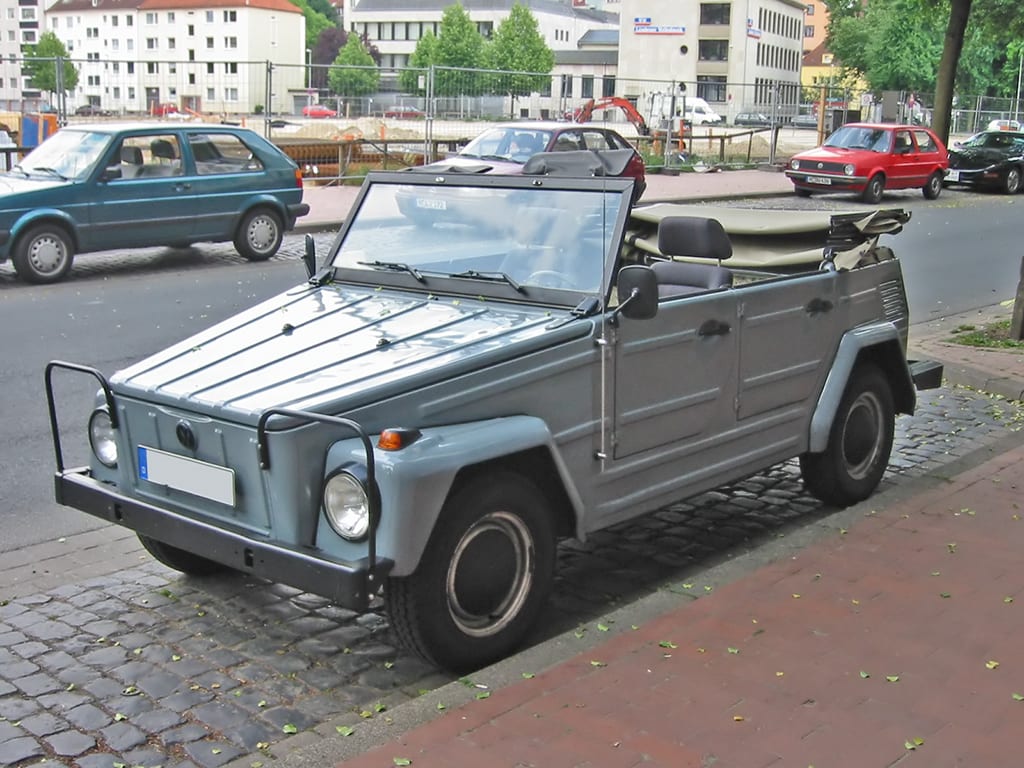
Yeah, I can see why. If I were American and saw the Thing, I probably wouldn’t have given it a second look. It was ugly, didn’t really fit on American roads, and from what I know, it didn’t meet some U.S. safety regulations—so it flopped and got discontinued. The Beetle and VW Bus did better because their designs were more universally accepted.
The VW Thing, or Type 181, was based on the Kübelwagen—a German military vehicle from WWII. It was modified to look a bit more civilian-friendly, but honestly, most people probably still thought it was ugly. The design wasn’t cute or stylish, and even the Beetle looked better by comparison.
The Thing also failed US safety tests, and yeah, it’s not hard to see why. New regulations, pushed in part by Ralph Nader’s safety advocacy, led to its discontinuation in the US after the 1974 model year. The Thing was a small, open-top vehicle that didn’t meet the tougher crash protection standards. I mean, if it flipped in an accident, chances are the passengers wouldn’t have made it. It just didn’t offer much protection.
On top of that, its quirky, utilitarian look might have worked for a niche crowd, but it didn’t click with most American buyers. People were into bigger, more comfortable cars—something better suited for road trips, commuting, and hauling the family around. Plus, the Thing wasn’t exactly fast, and its small engine didn’t help win anyone over.
Basically, it was a car most Americans didn’t care for. The weird design and lack of appeal meant it just didn’t catch on. Maybe it made more sense in other countries, but in the US, people had plenty of better options.
But the Thing was an ugly car. It didn’t appeal to everyone, and I doubt Americans at the time would’ve liked it either. Compared to the Beetle, the Thing felt like a half-assed attempt by VW to push more cars. It was unattractive from the start and wasn’t going to win anyone over—it wasn’t nice to look at or be seen in, anyway.

The VW Beetle became iconic because of its cool design. I'm not a huge fan of VW or the Beetle, but if I were in that position, I'd choose the Beetle over the Thing just for the design. Sure, the Beetle might not be as rugged as the Thing, and its ground clearance is lower, but it has a unique charm that holds up, proven by the fact that Beetles were still around in the early 2000s. If it weren’t for stricter emission standards and changing tech, I think the Beetle would still be in production today—it really is timeless.
The Thing, on the other hand, isn't exactly a looker, especially for Americans. The Kubelwagen-like design might be a tough sell, given its history. I don’t think it’s necessary to explain that Americans fought against Germany in WWII, but a car that looks like a military vehicle from that time isn’t something to be proud of, nor would it sell well in the U.S. We’ve seen plenty of ex-military vehicles that didn’t take off here, and I think it’s because people just weren’t into them. Military cars are often designed to be tough but not pretty, and most consumers want something cute, something that doesn’t remind them of war. The Thing just wasn’t that, and VW didn’t really do much to make it more appealing.
That’s an example of a poorly thought-out design. VW could’ve made the Thing more like the Beetle or the Bus—something more approachable—but I don’t think they expected it to be a hit in the U.S. They had other markets to focus on. The Type 181/Thing was still popular in many other countries, so maybe VW just didn’t see a need to push it in the U.S.
About the Creator
Pinesthi Mukti Rizky Wibowo
Hi, my name is Eky and here I will write about automotive and other things, most of the writing will be taken from my personal Quora or Medium account. Most of my writing is curated from my Quora account which I have more than 4,000 answers
Keep reading
More stories from Pinesthi Mukti Rizky Wibowo and writers in Wheel and other communities.
If Ferrari Goes Bankrupt, Will Car Prices Soar or Crash?
It depends on how Ferrari does in the future—if demand stays high, the price will go up. The thing is, we don’t really know what would happen if Ferrari went bankrupt or what the demand for their cars would look like. But honestly, I think Ferrari would still be Ferrari. It’s a pretty iconic supercar brand, so even if they go under, there’d probably still be strong demand for their cars. In fact, I’d guess the prices would actually go up—once the factory’s gone, you can’t just order a new one anymore.
By Pinesthi Mukti Rizky Wibowo11 months ago in Wheel
Common Mercedes Repair Issues Drivers Experience As Their Vehicle Ages
Mercedes-Benz is a constant competitor when it comes to discussing the best luxury brands. By combining high-end materials and superior craftsmanship, Mercedes models continue to be highly desirable even as they age. Buying an older Mercedes has become the go-to option for drivers looking for luxury on a more reasonable budget. Whether you’re looking at buying an older Merc, or just can't seem to part ways with your aging Bavarian, these are some of the common Mercedes repair tasks to be aware of.
By Foreign Affiars Motorsport6 days ago in Wheel



Comments
There are no comments for this story
Be the first to respond and start the conversation.