
Why BMWs Are Especially Sensitive to Wheel Balance Issues
Understanding the Link Between BMW Performance and Wheel Precision

When it comes to driving a BMW, precision isn't just a feature—it's part of the experience. But with that precision comes a level of sensitivity, especially in areas like wheel balance that other cars might tolerate with less fuss. In this article, we’ll explore why BMWs are more prone to issues from wheel imbalance, what symptoms to look out for, and how you can maintain that signature smooth ride.
What Is Wheel Balancing, and Why Does It Matter?
Wheel balancing ensures that the weight of a tire and wheel is evenly distributed around the axle. Even a small imbalance—just a few grams—can cause noticeable vibrations at high speeds. This matters for every car, but for BMWs, it matters a lot more.
Why BMWs Are More Sensitive Than Most:
1. Performance Suspension Systems
BMWs are built with tight suspension tolerances and stiffer performance setups. This helps with handling, but it also makes any vibration or imbalance much more noticeable.
2. Low-Profile, High-Performance Tires
Many BMWs come with low-profile or run-flat tires on larger wheels. These amplify even the smallest imperfections in balance or alignment. Where a softer tire might absorb the issue, BMW tires transmit it right to the driver.
3. Rear-Wheel Drive Dynamics
The rear-wheel-drive platform and finely-tuned steering geometry of most BMWs provide a more connected feel. But this also means you’ll feel problems like wheel imbalance through the steering wheel, seat, or even floorboard.
4. High-Speed Capability
BMWs are engineered to cruise comfortably at high speeds. At 70+ mph, a small imbalance can cause large vibration, leading to premature wear on suspension components, uneven tire wear, and driver fatigue.
Common Symptoms of Wheel Imbalance in BMWs:
-Vibration in the steering wheel at highway speeds
-Shaking in the seat or floorboard
-Uneven or rapid tire wear
-Slight pulling or drifting
-Decreased fuel efficiency over time
These symptoms may come and go or vary depending on speed, making them hard to trace without a professional inspection.
How to Prevent & Fix Wheel Balance Issues:
-Get Tires Balanced During Every Rotation
-Most BMW owners rotate their tires every 5,000–7,500 miles. This is the perfect time to also check wheel balance and alignment.
-Use High-Precision Road Force Balancing
At Motronix, we use road force balancing for extra precision—especially important for performance wheels and low-profile tires.
Watch for Potholes & Curb Hits:
-It doesn’t take much to throw off balance. A single pothole or a sharp curb impact can do it. Stay alert and inspect your wheels after any hard bump.
-Don’t Ignore Small Vibrations
-Many drivers learn to live with light steering wheel shake. But in a BMW, this could signal a deeper imbalance that’s damaging your suspension or tires.
Trust the BMW Specialists:
-Wheel balancing may seem minor, but in a precision machine like a BMW, it plays a huge role in safety and driving experience. If you're noticing vibration, uneven wear, or just want peace of mind, trust your car to a specialist.
Schedule BMW repair and service at Motronix — where high standards and attention to detail come standard.
Serving BMW owners in Dania Beach, Fort Lauderdale, Hollywood, and the greater South Florida area for nearly 40 years.
About the Creator
Keep reading
More stories from jeremy baker and writers in Wheel and other communities.
The 60,000-Mile Ticking Clock
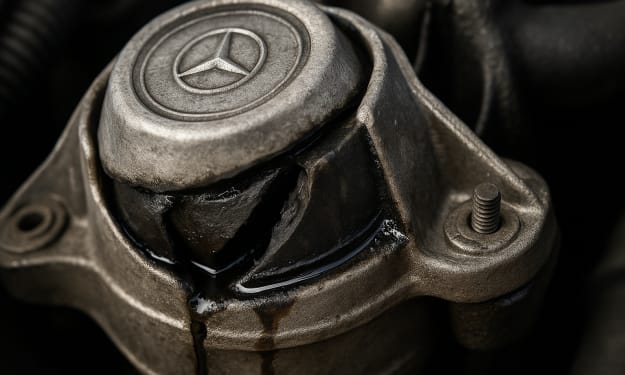
I. The Invisible Wear: The Hydration Clock You bought a Mercedes-Benz for its effortless composure: quiet cabins, flat cornering, and the promise of a smooth glide. Yet, after several years or sometime between the 60,000 and 100,000-mile mark, many Mercedes owners begin to notice something subtle but unwelcome: a tremor at a stoplight or a new, low vibration through the floorboard.
By jeremy baker3 months ago in Wheel
A Historic Waterwheel Returns to Family Roots Along the Riverbank
The story of a Historic Waterwheel Returns to Family Roots is more than a tale of wood and water. It is a story of memory, family honor, and deep love for local history. For many years, the old waterwheel stood silent near the bend of a quiet river. Time and storms had worn it down. The wood had faded. The iron had rusted. Yet the spirit of the wheel never faded in the hearts of the family who once built and cared for it.
By Grady Gaston6 days ago in Wheel
Pearl
1980 something. we all hung out at Pearl and you and i were nothing special, or so i thought. i mean we all danced, drenched in our own sweat, our own saline solution of fear, too many beers, shots, laughter, tears, fucks in the bathroom and i don't know when we began to be afraid. do you?
By ROCK aka Andrea Polla (Simmons)4 days ago in Fiction


Comments
There are no comments for this story
Be the first to respond and start the conversation.