
What To Inspect When Buying a Used Skid Steer
Skid Steer lease
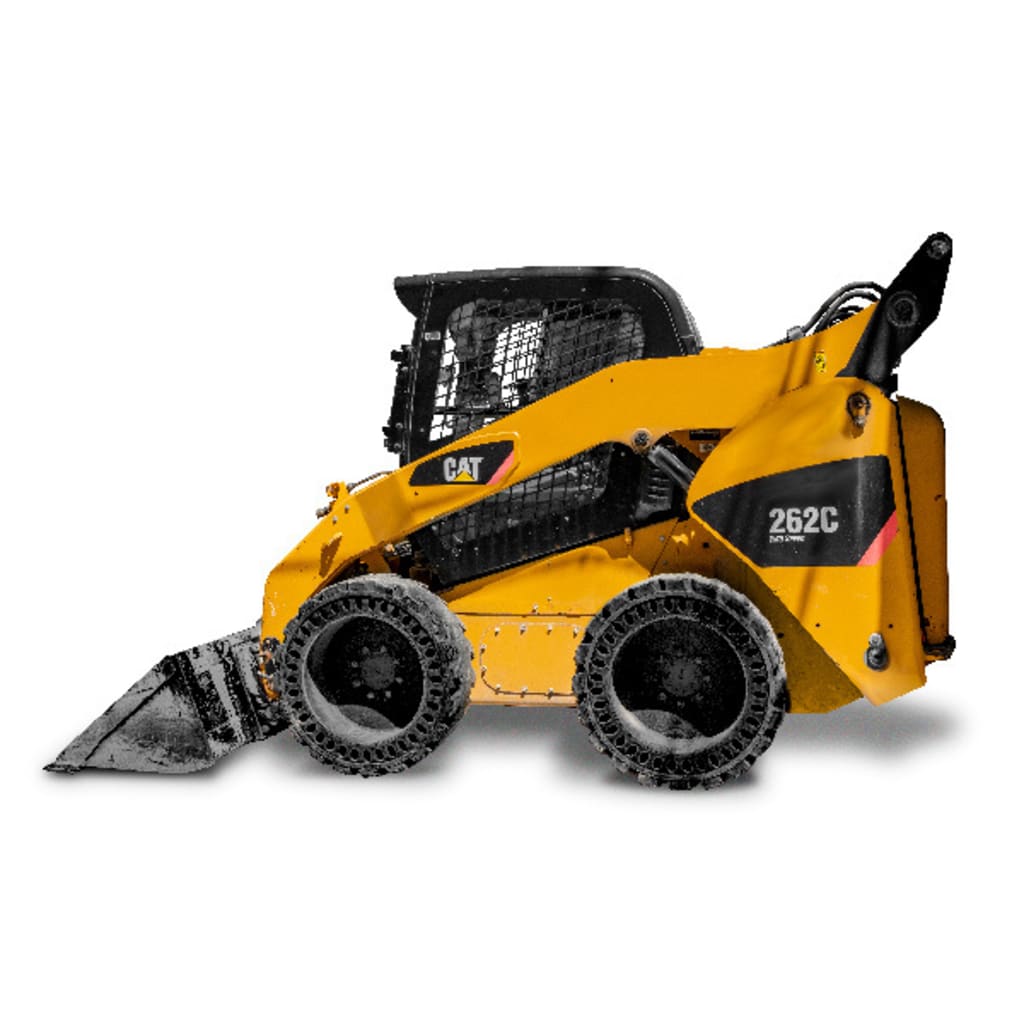
When you're in the market for a skid steer, going down the used route can be a smart move. Let’s be honest: new machines can cost a small fortune! If you’re looking to save some cash without compromising on performance, a used skid steer could be the answer. These workhorses are built to last, and with the right inspection, you can score a machine that’ll serve you just as well as something straight off the assembly line.
So, continue reading our used skid steer inspection guide to discover everything you need to know.
Why Buy a Used Skid Steer?
First off, let’s talk money. A used skid steer will generally cost you significantly less than a brand-new one. But it's not just about the upfront cost savings. Buying used can also mean avoiding the steep depreciation that happens when you purchase new equipment. In those first few years, a new skid steer can lose a large chunk of its value, whereas a used machine holds its value more steadily over time.
Plus, in today’s market, there are so many used skid steers to choose from, a lot of which are still in great condition. Construction compaWnies often upgrade equipment before it’s reached the end of its useful life, which means you might get a machine with a ton of life left in it. This is especially true if you’re willing to do your homework and inspect the machine thoroughly before making a purchase.
Now, let's dig into what you should inspect when buying a used skid steer to ensure you’re getting a reliable, hardworking machine.
Inspecting a Used Skid Steer - What You Need to Know
The reasons to buy a used skid steer are clear, but how can you make sure you’re getting a quality machine?
1. Check the Hours Meter
The first thing you’ll want to do is check the hours meter. This will give you an idea of how much work the skid steer has done. Generally, skid steers can have a lifespan of up to 5,000 hours or more with proper maintenance, but if you see something that’s well over that, you might want to be cautious.
That said, hours alone aren’t everything. If a machine has been meticulously maintained, it could still have plenty of life left. Conversely, a machine with low hours but a history of neglect might not be as great a deal as it seems.
2. Look for Wear and Tear
This seems like a no-brainer, but don’t overlook the obvious signs of wear and tear. Inspect the tires or tracks (depending on the model) for any signs of excessive wear. Are the tires bald? Are the tracks missing chunks? These could indicate rough usage or a lack of maintenance.
Check for leaks around the hydraulic lines and fittings. A leak here or there could mean minor repairs are needed, but if you see a lot of leaks, that might suggest bigger issues with the hydraulic system.
Also, give the bucket and arms a good look. Bent arms or cracks in the bucket? Those are red flags. The arms should be straight, and any welds should be solid and clean.
3. Engine Condition
The engine is the heart of the skid steer, so you want to make sure it's in good shape. Start the engine and listen. Does it sound smooth, or is it making strange noises? Knocking, hissing, or grinding sounds could be signs of trouble.
Check for exhaust smoke as well. A little puff of smoke on startup might not be a big deal, but continuous heavy smoke could indicate engine problems like worn-out pistons or a failing turbocharger.
While you're at it, pop the hood and look for any obvious signs of neglect. Dirt and grime caked on the engine, corroded battery terminals, or cracked belts could all indicate the machine hasn’t been well cared for.
4. Hydraulics
Hydraulics are a huge part of what makes a skid steer so versatile, so it’s critical to make sure they’re functioning properly. Test the boom and bucket controls to ensure they’re responsive. If they’re sluggish or jerky, that could point to problems with the hydraulic pump, lines, or cylinders.
Check the hoses for wear, cracks, or leaks. Hydraulic repairs can be expensive, so it’s worth taking the time to inspect this system thoroughly.
5. Controls and Cab
Hop in the cab and get a feel for the controls. Do they operate smoothly? Are all the switches, buttons, and levers working as they should? If the machine has electronic controls, make sure to test those out too.
Inspect the seat and seatbelt as well - these might seem like small details, but if you’re going to be spending hours in that cab, you want to make sure you’re comfortable and safe. If the seat is torn up, it could be a sign the machine was used hard.
Check out the condition of the cab itself, too. Is the glass intact? Do the doors and windows close properly? A clean, well-maintained cab is a good indicator of overall care.
6. Fluid Levels and Condition
It might sound basic, but checking the fluid levels can give you valuable insight into how the machine was maintained. Look at the oil, coolant, hydraulic fluid, and transmission fluid. Are they at the proper levels? What color are they? Fluids that are dirty, low, or have a burnt smell could signal neglect or even more serious mechanical issues.
7. Attachments
One of the reasons people love skid steers is their ability to use various attachments, so it’s worth checking out the condition of any attachments that come with the machine. Whether it’s a bucket, grapple, auger, or something else, you want to make sure the attachment is in good shape.
Inspect the mounting plate and couplers to ensure they’re not damaged. Attachments can be pricey, so you want to be sure they’re not going to need replacing right after you buy the skid steer.
8. Maintenance Records
If possible, ask for the machine's maintenance records. A well-documented service history can give you peace of mind that the skid steer was properly cared for. Look for regular oil changes, filter replacements, and any major repairs that were done. If the seller is hesitant to provide maintenance records, that could be a red flag.
9. Test Drive
Last but certainly not least, when you buy used construction equipment, take it for a test drive. You’ll want to get a feel for how it operates under load. How does it handle when turning or lifting heavy objects? Do the controls respond smoothly? Any strange noises or vibrations?
Pay attention to how the engine performs during the test drive. Does it maintain power? Does it start easily? A test drive can give you real-time insight into the condition of the machine, and it’s your chance to spot any issues that might not be visible on a visual inspection alone.
A Great Investment to Make
Buying a used skid steer can be a great investment if you know what to look for. You can save a lot of money and still get a reliable, hardworking machine that’ll help you get the job done. The key is a thorough inspection. Don’t rush into it - take your time, check every detail, and don’t be afraid to walk away if something doesn’t feel right.
About the Creator
Jeff Bradford
Mr. Bradford currently holds the position of VP of Marketing and Business Development. He is currently responsible for business development, new account acquisition & the marketing strategy for the company & bringing new products to market.
Keep reading
More stories from Jeff Bradford and writers in Wheel and other communities.
Wild Card Weekend Recap: What Happens Now?
I think I figured out why I love Wild Card Weekend so much. It's because it's the first playoff anything of the calendar year. The NFL season starts in the fall, and once upon a time, the champion was crowned either on or slightly before New Year's. The evolution of the NFL schedule has resulted in the playoffs starting just into the New Year, and currently, the final week of the season falls on the first weekend of the New Year, with Wild Card Weekend coming a week after that. So yes, chronologically, the NFL's Wild Card Weekend serves as the first playoff anything of the calendar year.
By Clyde E. Dawkins5 days ago in Unbalanced



Comments
There are no comments for this story
Be the first to respond and start the conversation.