
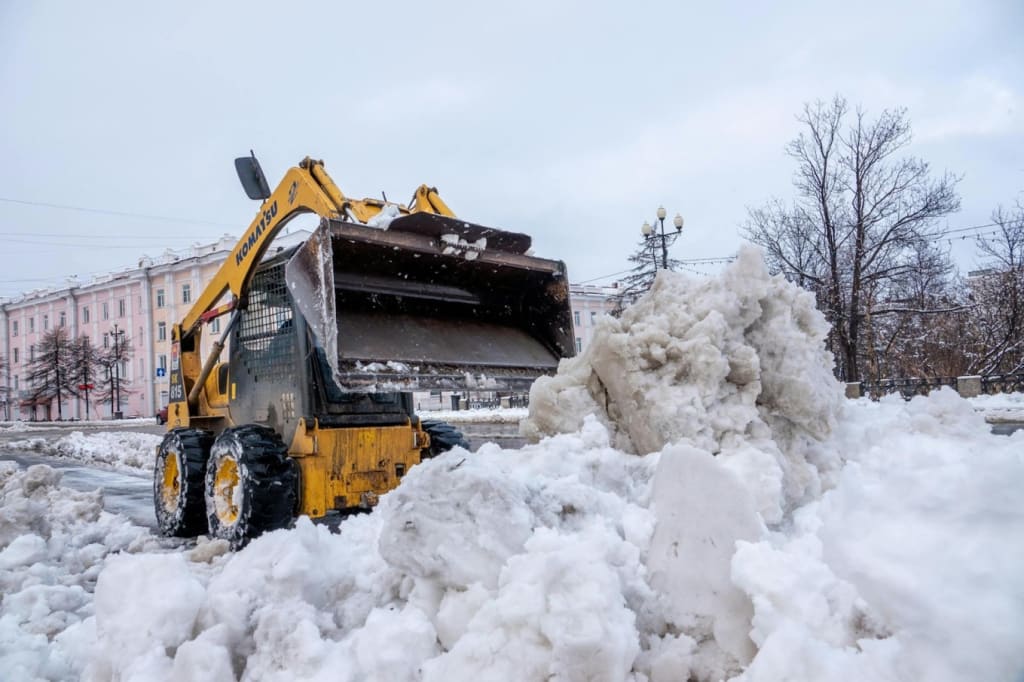
Your skid steer is the backbone of your job site. It’s versatile, reliable, and handles everything from digging to lifting and clearing. But are you taking the right steps to keep it running like new?
Skid steer maintenance is about more than keeping the machine clean. It’s about saving money, minimizing downtime, and ensuring your equipment is ready to handle tough jobs day in and day out. In this skid steer maintenance guide, we’ll reveal how to do exactly that.
Why Skid Steer Maintenance Matters
Before we get into the ‘how,’ we need to look at the importance of skid steer maintenance. Your skid steer is an investment, and like any investment, it needs protecting. A well-maintained skid steer operates more efficiently, lasts longer, and costs less to run over its lifetime. On the flip side, neglecting maintenance leads to breakdowns, costly repairs, and frustrating project delays.
By staying on top of upkeep, you’re not just extending the life of your machine; you’re ensuring that it performs at its best every time you fire it up. And let’s be real: no one wants to deal with downtime because of avoidable issues.
So, how can you maintain your skid steer effectively?
1. Follow the Manufacturer’s Guidelines
Your skid steer manual is a goldmine of information. Each skid steer is built differently, and the manual spells out the specific maintenance schedule and procedures for your machine.
What’s in it for you? Sticking to the manufacturer’s recommendations ensures you’re using the right fluids, filters, and procedures to keep everything running smoothly. It also helps you avoid accidental mistakes that could void your warranty.
Pro tip - If you’ve misplaced your manual, many manufacturers have digital copies online. Bookmark it on your phone or tablet so it’s always within reach.
2. Inspect Daily Before Use
A daily inspection takes just a few minutes but can save you hours of downtime. Think of it as your skid steer’s daily check-up; it’s a chance to spot small issues before they snowball into costly problems.
Here’s what to inspect daily…
• Tires or tracks – Look for cracks, uneven wear, or low pressure.
• Fluids – Check levels for engine oil, coolant, and hydraulic fluid.
• Hoses and belts – Inspect for leaks, cracks, or fraying.
• Attachments – Ensure any buckets or forks are secure and free from damage.
• Lights and alarms – Test all safety features to confirm they’re in working order.
• Pins and bushings – Grease them as needed to prevent wear.
Consistency is key. By making inspections a daily habit, you’ll stay ahead of potential problems and keep your skid steer running at its best.
3. Keep Your Skid Steer Clean
Dirt and debris don’t just make your machine look bad; they can cause serious issues if left unchecked. Cleaning your skid steer regularly is one of the easiest ways to prevent unnecessary wear and tear.
What to focus on when cleaning…
• Radiators and air filters – Dirt build-up can cause overheating and reduce engine performance.
• Hydraulic system – Remove grime to prevent contaminants from entering the system.
• Tracks or tires – Keep them clear of mud and debris to avoid premature wear.
• Exterior panels – Wipe down regularly to spot any leaks or damage early.
Using a pressure washer is effective, but be cautious around electrical components and sensitive areas like the engine. A clean skid steer is easier to maintain and also more professional to present on-site.
4. Stick to the Schedule for Fluids and Filters
Filters and fluids are your skid steer’s lifeblood, and keeping them fresh is non-negotiable. Over time, oil and hydraulic fluid degrade, and filters clog with debris, putting your machine at risk of serious damage.
Key items to monitor and replace on schedule:
• Engine oil – Vital for keeping the engine cool and lubricated.
• Hydraulic fluid – Ensures smooth operation of arms, buckets, and attachments.
• Coolant – Prevents overheating and protects against extreme temperatures.
• Transmission fluid – Supports smooth gear changes and protects internal components.
• Air filters – Keeps dust and debris out of the engine.
• Fuel filters – Prevent contaminants from damaging the fuel system.
• Grease fittings – Lubricate pins, bushings, and other moving parts to prevent wear.
• Drive belts – Inspect and replace if they show signs of cracking or wear.
Missing a scheduled replacement might not seem like a big deal, but it can lead to costly downtime and repairs. Don’t skip it - it’s a small effort for big rewards.
5. Listen to Your Machine
Your skid steer has a way of letting you know when something’s wrong - if you’re paying attention! Warning lights, unusual noises, or performance dips are all signals that shouldn’t be ignored.
So, how do you respond to common warning signs?
- Warning lights
Stop immediately and investigate the issue. Continuing to operate can worsen the damage.
- Unusual noises
Grinding, squealing, or knocking sounds often point to mechanical issues. Shut the machine down and address the problem.
- Overheating
Check the radiator, coolant levels, and air filters if your machine starts running hot.
- Sluggish performance
If the skid steer feels slow or unresponsive, it could be low hydraulic fluid or clogged filters.
Don’t wait for small issues to turn into big problems. If something feels off, trust your instincts and deal with it right away.
A Reliable Skid Steer Starts with You
Maintaining your skid steer isn’t just about avoiding a breakdown. It’s about running a more efficient, cost-effective operation. By following these tips, you’ll not only extend your machine’s lifespan but also maximize its performance on every job.
About the Creator
Jeff Bradford
Mr. Bradford currently holds the position of VP of Marketing and Business Development. He is currently responsible for business development, new account acquisition & the marketing strategy for the company & bringing new products to market.
Keep reading
More stories from Jeff Bradford and writers in Wheel and other communities.
All You Need to Know About Autonomous Forklifts
Have you heard about autonomous forklifts and wondered if they could work for your business? These machines are changing how warehouses and facilities manage material handling. But as with any innovation, there are pros, cons, and costs to weigh up.
By Jeff Bradford10 months ago in Wheel
5 Best Food Choices at Auto Shows
Attending an auto show is an exciting experience filled with gleaming vehicles, innovative technology, and hours of walking through massive exhibition halls. With so much to see, you need the right fuel to keep your energy levels high. Here are five of the best food choices to enjoy during your next auto show visit.
By Karter Odinabout 12 hours ago in Wheel
Pearl
1980 something. we all hung out at Pearl and you and i were nothing special, or so i thought. i mean we all danced, drenched in our own sweat, our own saline solution of fear, too many beers, shots, laughter, tears, fucks in the bathroom and i don't know when we began to be afraid. do you?
By ROCK aka Andrea Polla (Simmons)7 days ago in Fiction




Comments
There are no comments for this story
Be the first to respond and start the conversation.