
What Are the Early Signs of Clutch Failure in a Jaguar?
Signs of Clutch Failure in a Jaguar

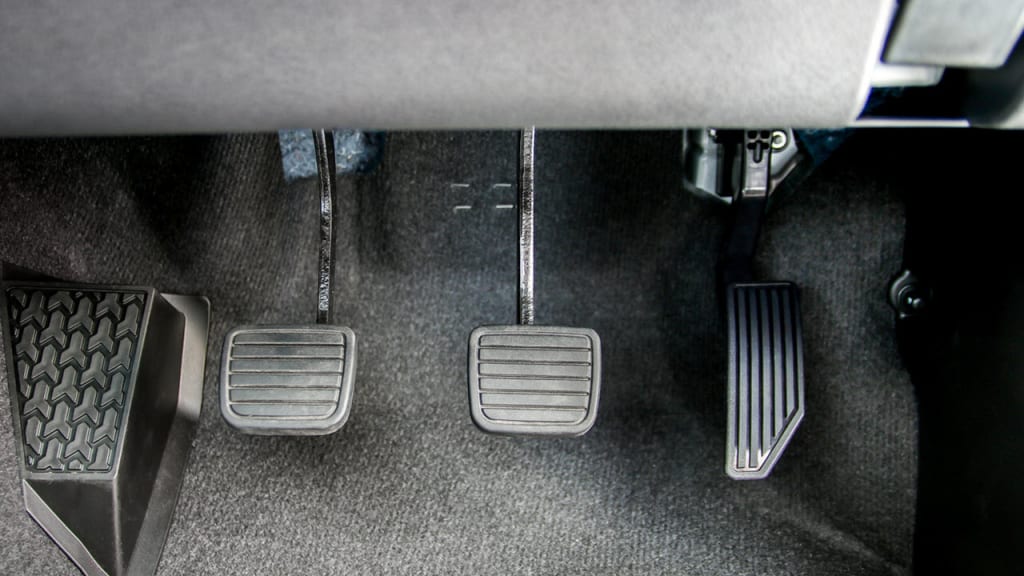
The clutch system in your Jaguar plays a critical role in transferring power from the engine to the transmission, ensuring smooth gear shifts and optimal performance. Over time, components of the clutch can wear out or fail, impacting the vehicle's drivability. Early detection of clutch problems is essential to avoid costly repairs and maintain the performance and luxury driving experience that Jaguars are known for.
In this article, we’ll explore the early signs of clutch failure in Jaguar vehicles, the causes behind these issues, and what you can do to address them.
How Does a Clutch Work in a Jaguar?
Before diving into the symptoms of clutch failure, it’s important to understand the basic function of the clutch. In most Jaguars, especially those with manual or dual-clutch transmissions, the clutch engages and disengages the engine from the transmission when shifting gears. Key components of the clutch system include:
Clutch Disc – Transfers engine torque to the transmission.
Pressure Plate – Applies pressure to the clutch disc to engage it with the flywheel.
Flywheel – Connects to the engine and provides a surface for the clutch disc.
Release Bearing – Facilitates the disengagement of the clutch when the pedal is pressed.
Clutch Pedal and Hydraulic System – Controls the engagement and disengagement process.
Early Signs of Clutch Failure in a Jaguar
1. Slipping Clutch
One of the earliest and most common signs of clutch failure is a slipping clutch. This occurs when the clutch fails to fully engage, causing the engine to rev higher than normal without a corresponding increase in vehicle speed.
Symptoms:
Loss of acceleration despite pressing the gas pedal.
Burning smell, often due to excessive friction.
Difficulty towing or driving uphill.
Cause:
A worn-out clutch disc or a weak pressure plate is often the culprit.
Solution:
Replace the clutch disc, pressure plate, and potentially the flywheel if it shows signs of wear.
2. Difficulty Shifting Gears
A failing clutch can make it difficult to shift gears, particularly when moving between lower gears or into reverse.
Symptoms:
Grinding or resistance when shifting.
Stuck gears or refusal to engage.
Inability to shift smoothly, especially in manual transmissions.
Cause:
This issue can be linked to a failing clutch release bearing, worn clutch disc, or air in the hydraulic system.
Solution:
Bleed the hydraulic system or replace worn components as necessary.
3. Spongy or Stiff Clutch Pedal
Changes in the feel of the clutch pedal can indicate an issue with the clutch system.
Symptoms:
A spongy or soft pedal that offers little resistance.
A stiff or heavy pedal that requires excessive force to press.
Cause:
A spongy pedal is often caused by air in the hydraulic system, while a stiff pedal can result from a failing pressure plate or a binding clutch cable (in older models).
Solution:
Inspect and bleed the hydraulic system, or replace the pressure plate and clutch cable if necessary.
4. Noisy Operation
Unusual noises during clutch engagement or disengagement can be a sign of impending failure.
Symptoms:
Squealing or chirping noise when pressing the clutch pedal.
Grinding noise when shifting gears.
Cause:
Noises are often caused by a worn-out release bearing or pilot bearing.
Solution:
Replace the release bearing, pilot bearing, and inspect other components for wear.
5. Clutch Pedal Vibration
A vibrating clutch pedal is another indicator of potential clutch issues.
Symptoms:
Pedal vibration when engaging the clutch.
Shuddering or jerking during gear shifts.
Cause:
This is often caused by a warped flywheel or uneven wear on the clutch disc.
Solution:
Resurface or replace the flywheel and replace the clutch disc as needed.
Common Causes of Clutch Failure in Jaguars
Several factors can contribute to premature clutch wear or failure in a Jaguar:
Aggressive Driving: Frequent rapid acceleration and hard shifting put extra strain on the clutch system.
City Driving: Stop-and-go traffic leads to more frequent clutch use, increasing wear.
Towing or Heavy Loads: Towing heavy loads can cause the clutch to overheat and wear out faster.
Hydraulic System Leaks: Leaks in the hydraulic clutch system reduce pressure, leading to improper clutch engagement.
When to Seek Professional Help
If you notice any of the above signs, it’s crucial to have your Jaguar inspected by a certified technician. Ignoring early symptoms can lead to more severe issues, such as transmission damage or complete clutch failure, which can be costly to repair.
Professional Diagnosis Includes:
Visual inspection of clutch components.
Hydraulic system pressure tests.
Test driving to assess clutch engagement and shifting performance.
Conclusion
Early detection of clutch failure in your Jaguar can save you from expensive repairs and ensure a smoother driving experience. Pay attention to changes in pedal feel, shifting difficulties, and unusual noises. If you suspect a problem, consult a professional mechanic who specializes in Jaguar vehicles to diagnose and repair the issue promptly, ensuring your car continues to perform at its best.
About the Creator
Terry Sayther Automotive
Terry Sayther Automotive is the leading European luxury car service and maintenance specialist located in Austin, TX. We are having years of experience in looking after high-end European cars like BMW, Mini, Land Rover, Mercedes, and Jaguar
Keep reading
More stories from Terry Sayther Automotive and writers in Wheel and other communities.
Choosing the Right Spark Plugs for Your BMW: Performance Tips and Maintenance Insights
Proper maintenance of your BMW extends beyond routine check-ups; it encompasses selecting the right components that ensure optimal performance and longevity. Among these components, spark plugs play a crucial role in the efficiency and smooth operation of your vehicle’s engine. This article delves into the importance of selecting the right spark plugs for your BMW, offering performance tips and maintenance insights to help you make informed decisions.
By Terry Sayther Automotive2 years ago in Wheel
How, Too”: Understanding the Power of Process and Inclusion in Modern Thinking
At first glance, the phrase “How, Too” looks incomplete, almost confusing. It seems like a fragment pulled from a larger sentence, a pause in thought rather than a conclusion. Yet when examined more closely, “How, Too” captures two of the most important questions shaping modern discourse: how things are done, and who is included as part of that process, too. In an era defined by rapid change, accountability, and demands for inclusion, these two small words carry surprising depth.
By Salaar Jamalia day ago in Wheel
Premium Gas is Draining Your Wallet ━ Unless You Need it
Have you ever wondered whether premium fuel could actually help your engine? Fuels rated at 91–93 octane do resist detonation better than lower-octane fuels, and in some cases they can burn more completely. But does that mean your engine will run better, last longer, or get more power?
By Jack Martinabout 2 hours ago in Wheel


Comments
There are no comments for this story
Be the first to respond and start the conversation.