
Were older cars really more reliable than new cars?
A Reliability Deep Dive, Including Maintenance Factors


That's a question that comes up a lot, especially because so many people say it—but honestly, it's just an illusion. Modern vehicles don’t need maintenance as often as classic ones. It's just that classic cars are easier to tinker with because they were designed that way.
Look at your modern car sitting in the garage. Do you have to adjust the carburetor or tweak anything regularly? Probably not. These days, modern cars almost never need periodic service. When you take it to the mechanic, all they usually do is clean a few parts and make sure everything’s still in good shape. There's hardly anything left that needs regular adjusting.
Now, don’t get me wrong—I’m a fan of classic cars, and I get the pain. Back in the day, you had to adjust the carburetor, tune the valves, and mess with all sorts of stuff pretty regularly. Today? Not so much. Computers handle almost everything. Electronic ignition killed off points, and the ECU made carburetor adjustments a thing of the past. Even parts like spark plugs last way longer now thanks to better tech.
The idea that classic cars are more durable and reliable comes from the fact that they needed constant service to stay that way. Just look at the huge engine bays in old cars—that’s not for convenience, that's because you were expected to get in there and work on it often. Modern cars? Everything’s packed tight, and that's basically the manufacturer telling you, “Relax, there’s nothing for you to mess with here.” All that plastic under the hood? Same deal—it’s a sign that there’s no regular tuning to be done.
And that's totally intentional. Modern cars are designed so you don't have to deal with complicated maintenance anymore. You just do the basics, and that's it. Sure, you can still tinker if you really want to, but it's way harder than it used to be.
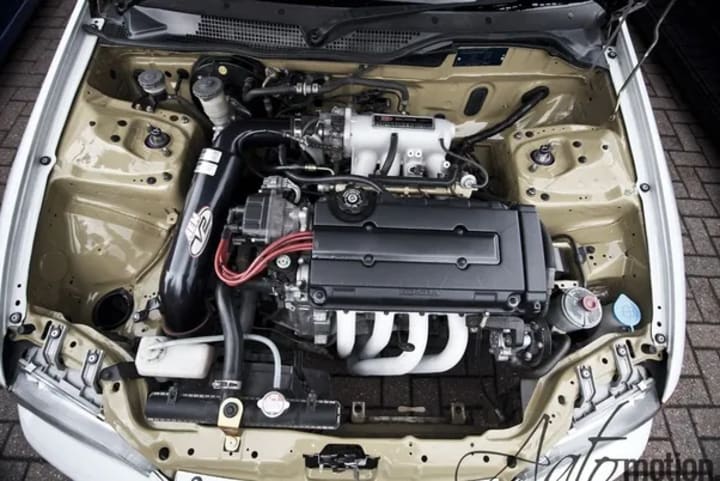
You can see this shift starting in the early '90s when manufacturers began using computers to control engines. The fuel injection system didn’t have a way to adjust settings manually—it was all controlled by the computer. This ensured the settings stayed stable and didn't change but also served as a reminder not to mess with them. The computer takes care of everything, and unless you’ve got the right skills, there’s not much you can do about it.
On the plus side, this made things more practical. Service intervals got longer, and parts lasted longer because everything was more precise. In the past, issues with parts were often caused by inaccurate tuning, which you had to do pretty frequently. Now, that’s not really a concern.
The downside is that everything got more complicated. If something goes wrong, it’s hard to fix because it’s all part of a computerized system. Back in the day, everything was designed to be replaceable and adjustable, so it seemed easier to work on. But generally, you don’t need to worry about tuning and maintenance as much anymore.
Old cars seem more reliable because you can tune them, and they were designed that way. Newer cars are more practical, but everything is more disposable. Still, modern cars are probably more practical overall – they last longer, especially the spare parts, and you don’t have to maintain them as often as you would a classic.
That’s the trade-off with modern technology. Newer cars don’t need as complicated maintenance as the old ones, and honestly, that’s not a bad thing. The catch is that it’s harder to fix them yourself. But these days, manufacturers don’t expect you to do the repairs anyway – they want you to take it to a shop if something breaks. And most likely, you won’t be able to fix it yourself.
About the Creator
Pinesthi Mukti Rizky Wibowo
Hi, my name is Eky and here I will write about automotive and other things, most of the writing will be taken from my personal Quora or Medium account. Most of my writing is curated from my Quora account which I have more than 4,000 answers
Keep reading
More stories from Pinesthi Mukti Rizky Wibowo and writers in Wheel and other communities.
Why Starting on a Smaller Motorcycle is Best for New Riders
Actually, this is another really common question for beginner riders. Sometimes we wonder if motorcycle licenses should be divided into different tiers based on engine size. As far as I know, in a lot of countries, beginner licenses are limited to 125cc bikes, and you move up based on your skills. The better you get, the higher the level you can ride.
By Pinesthi Mukti Rizky Wibowo11 months ago in Wheel
Road Trips and the Reality of Animal Collisions
Road trips — what can be a better way to enjoy a holiday? Get together with your family or friends, pack all your things in your SUV or a van, load up some music you like, and set off for a big adventure. Driving through highways, watching the scenery change with little towns and mountains flying by.
By Michal Grayen3 days ago in Wheel




Comments
There are no comments for this story
Be the first to respond and start the conversation.