
Understanding Trade-In Value: How Melbourne Drivers Can Estimate Their Used Car’s Worth in 2026
Understanding Trade-In Value: A Practical Guide for Melbourne Drivers in 2026

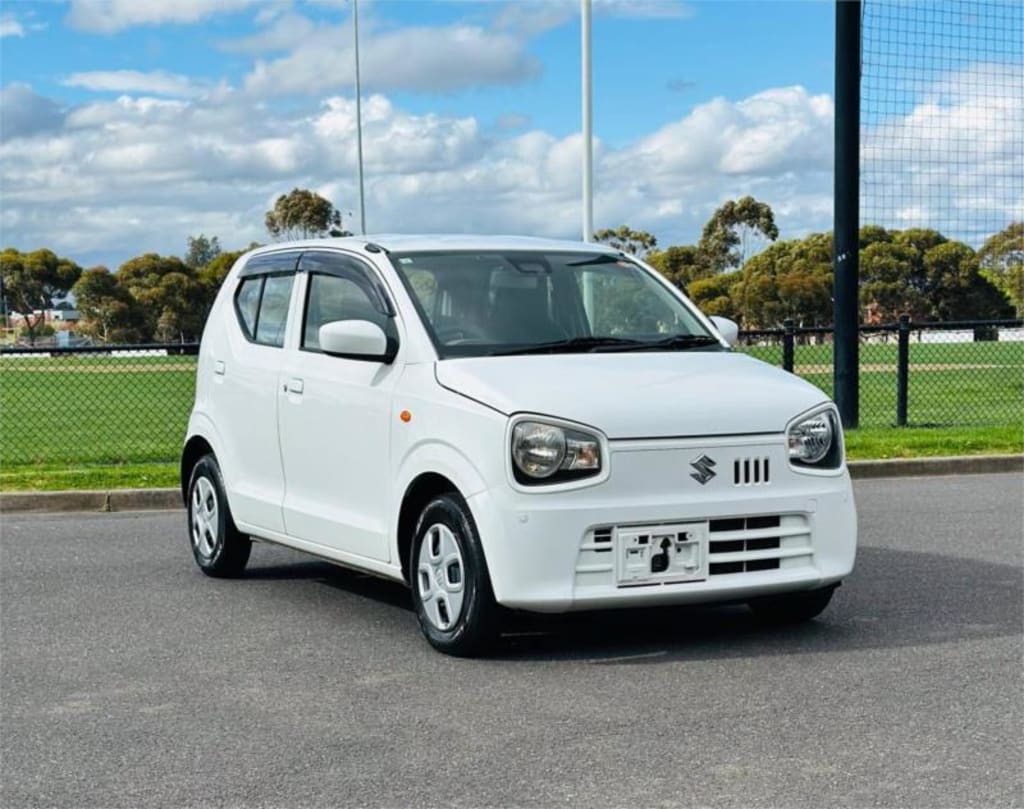
Estimating the trade-in value of a used car can be confusing for many Melbourne drivers. Prices vary widely from one vehicle to another, and it helps to understand the main factors that influence how much a car is worth. This guide explains the trade-in process, what affects valuation, and how you can get a clearer idea of your car’s potential value.
What a Used Car Trade-In Means
A trade-in is when you hand over your current vehicle to a dealership, and the amount it is valued at is deducted from the price of the next car you want to purchase. It acts as a direct swap with a discount. For example, if your car is valued at $7,000 and you want a vehicle priced at $18,000, the amount you pay becomes $11,000.
Many drivers prefer trade-ins because they avoid advertising, private inspections, and negotiating with multiple buyers. It is a quicker and simpler way to make a vehicle change.
What Influences Trade-In Value
The trade-in value is not fixed for any model. It depends on the car’s age, condition, brand, and broader market demand. Understanding these variables makes it easier to estimate what a dealer may offer.
Age and Kilometres Driven
A car's age and the amount of kilometres it has travelled are two of the strongest indicators of value. Higher odometer readings usually mean more wear on mechanical components, which can reduce the amount offered. Sometimes a slightly older car with fewer kilometres can be worth more than a newer one that has been heavily driven.
Make and Model
Brand reputation directly affects how well a vehicle holds its value. Cars known for durability, low running costs, and reliability generally receive higher trade-in prices. Newer models tend to perform better during appraisal because they typically have updated technology and less wear.
Condition and Service Records
The condition of the car plays a major role in valuation. Dealers look at the exterior, interior, mechanical health, and the presence of warning lights. A kept-up service history is useful because it shows that the car has been maintained properly over time.
Market Trends and Demand
Market conditions change over time and can influence trade-in amounts. Some models attract higher offers when demand is strong or when supply is low. Seasonal trends, interest rate changes, and fuel price movements can all affect value.
How to Estimate Trade-In Value
Using Dealer Assessments
Many dealerships offer online valuation forms where you can enter your vehicle details to receive a general estimate. This method is useful for getting an initial idea, although the final amount depends on in-person checks.
During these assessments, some markets such as Japanese import cars are often discussed, as imported vehicles may follow different valuation patterns depending on supply and popularity.
Physical Vehicle Inspection
For the most accurate appraisal, a physical inspection is essential. A professional assesses the engine, transmission, exterior condition, interior quality and service history before giving a firm valuation.
Imported vehicles, including cars from Japan, may be examined slightly differently depending on compliance history, condition, and modification records. This can influence the final figure.
Valuation Tools and Online Resources
Online valuation tools can give you a rough benchmark based on the vehicle’s model, age and kilometres. These tools, however, cannot capture details like mechanical health, paint condition or market trends. They are best used as general reference points rather than final indicators.
Ways to Improve Trade-In Value
Small improvements can help the valuation. A complete service log, minor repairs, cleaning, detailing and bringing accessories such as spare keys and manuals often contribute to a stronger appraisal.
Trade-In vs Private Sale
Trade-ins are usually quicker and require less preparation. Private sales may bring a higher price, but they involve more effort, including advertising, meeting buyers, negotiating and preparing the car for inspection.
Frequently Asked Questions
How can I estimate my trade-in value?
Start by using online tools or checking similar listings. A professional inspection gives the clearest answer.
Is a trade-in better than selling privately?
Trade-ins offer convenience and speed. Private sales may yield a higher price but take longer.
How can I get a better trade-in price?
Maintain the car well, keep records and fix small issues before appraisal.
Does the odometer reading matter?
Yes. Lower kilometre readings usually lead to higher valuations.
Do all dealerships offer trade-ins?
Most dealerships across Victoria offer trade-ins, though processes and criteria can vary.
About the Creator
Merry Smith
Hi, I’m Merry Smith — a storyteller at heart and a content writer by profession. I have a passion for crafting engaging, informative that connects with readers and brings ideas to life. I focus on creating clear, compelling stories.
Keep reading
More stories from Merry Smith and writers in Wheel and other communities.
Drawbacks of Buying a Car from Car Brokers as Compared to a Used Car Dealership
You can also test drive several low-mileage used cars and explore car for sale Melbourne options, which makes the decision easier. This is far better than trying to decide based on pictures or descriptions. The personal connection is what makes car buying fulfilling.
By Merry Smith5 months ago in Wheel
Why Putrajaya Remains One of the World’s Least Known Government Cities
When people think of Malaysia, the bustling skyline of Kuala Lumpur usually comes to mind. The famous Petronas Twin Towers dominate postcards and travel brochures, symbolizing the country’s modern progress. Yet, few outside Southeast Asia realize that Malaysia’s administrative heart is not Kuala Lumpur at all. Instead, the country’s government operates from a quieter, carefully designed city known as Putrajaya.
By Irshad Abbasi 2 days ago in Wheel



Comments
There are no comments for this story
Be the first to respond and start the conversation.