
Understanding Porsche Cooling System Failures: Causes, Symptoms, and Professional Repairs
Porsche Cooling System Failures

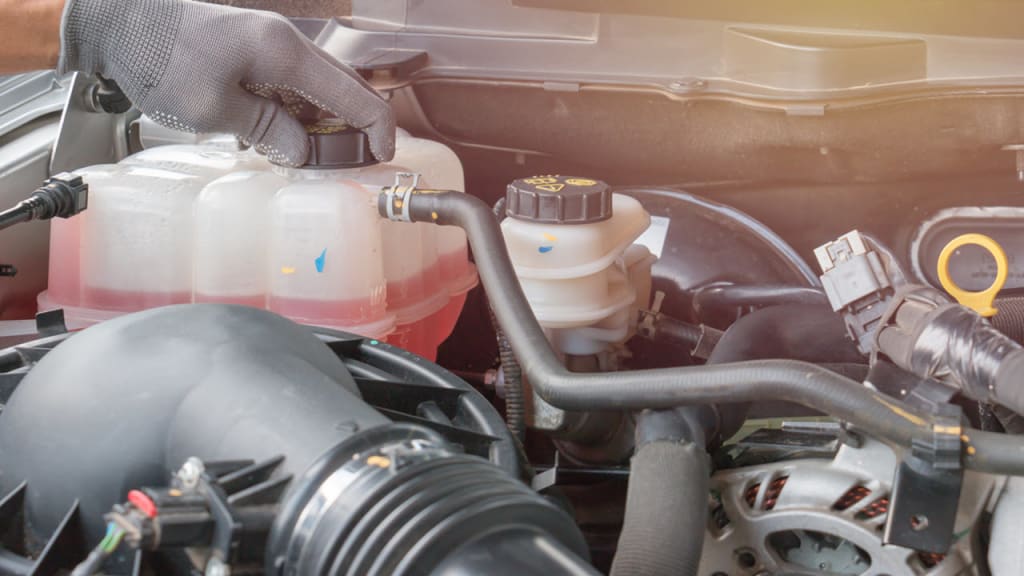
The cooling system in a Porsche is vital for maintaining the engine's optimal operating temperature, ensuring both performance and longevity. However, like any intricate system, it can encounter issues that, if left unaddressed, could lead to severe engine damage. This article delves into the causes, symptoms, and necessary repairs for cooling system failures in Porsche vehicles, providing owners with the technical knowledge to keep their cars running smoothly.
The Importance of the Cooling System in a Porsche
Porsche engines, known for their high performance, generate substantial heat during operation. The cooling system's role is to dissipate this heat efficiently, preventing the engine from overheating. It consists of several critical components, including the radiator, water pump, thermostat, coolant, hoses, and fans, all working in harmony to regulate temperature.
Common Causes of Cooling System Failures
Understanding the causes of cooling system failures is crucial for diagnosing and addressing issues promptly. Here are some common culprits:
1. Coolant Leaks
Source: Leaks can occur at various points in the system, including hoses, the radiator, water pump, or gaskets.
Cause: Age-related wear, poor-quality hoses, or faulty seals can lead to coolant leaks. External damage from road debris can also puncture hoses or the radiator.
Impact: A loss of coolant reduces the system's ability to dissipate heat, leading to engine overheating.
2. Thermostat Failure
Source: The thermostat regulates the flow of coolant through the engine.
Cause: A faulty thermostat can become stuck open or closed due to age, manufacturing defects, or sludge buildup.
Impact: If stuck closed, it prevents coolant from circulating, causing the engine to overheat. If stuck open, it can lead to overcooling, affecting engine performance.
3. Water Pump Failure
Source: The water pump circulates coolant through the engine and radiator.
Cause: Bearing failure, impeller damage, or leaks can compromise the water pump’s efficiency. High mileage and poor maintenance are common contributors.
Impact: A malfunctioning water pump can lead to insufficient coolant flow, resulting in engine overheating and potential catastrophic engine damage.
4. Radiator Blockages or Damage
Source: The radiator cools the coolant before it is recirculated back into the engine.
Cause: Internal blockages from corrosion, mineral deposits, or debris can restrict coolant flow. External damage from road debris can puncture or dent the radiator, reducing its cooling efficiency.
Impact: Reduced cooling capacity leads to higher engine temperatures, risking overheating and potential engine failure.
5. Air Pockets in the Cooling System
Source: Air pockets can form during improper coolant refills or if there's a leak in the system.
Cause: Incorrect bleeding of the cooling system after maintenance can introduce air, which disrupts coolant flow.
Impact: Air pockets can lead to hot spots within the engine, causing localized overheating and potential engine damage.
Recognizing Symptoms of Cooling System Failures
Early detection of cooling system issues can prevent more serious problems. Here are some symptoms to watch for:
1. Engine Overheating
Symptom: The temperature gauge rises above normal levels, or the overheating warning light appears on the dashboard.
Implication: Immediate attention is required to avoid severe engine damage.
2. Coolant Loss or Leaks
Symptom: Puddles of coolant under the vehicle, low coolant levels in the reservoir, or a noticeable drop in coolant levels over time.
Implication: A leak must be identified and repaired to prevent overheating.
3. Steam from the Engine Bay
Symptom: Steam rising from the engine bay, often accompanied by a sweet smell from the coolant.
Implication: Indicates a significant coolant leak or overheating, requiring immediate shutdown of the engine to prevent damage.
4. Coolant Warning Light
Symptom: The coolant warning light illuminates on the dashboard.
Implication: This could signal low coolant levels, leaks, or a malfunctioning sensor and should be investigated immediately.
5. Heater Not Working Properly
Symptom: The car’s heater blows cold air instead of warm, even when the engine is hot.
Implication: This may indicate low coolant levels or a blockage in the cooling system.
Professional Repair Solutions for Porsche Cooling System Failures
Addressing cooling system failures requires a professional approach to ensure the longevity and performance of your Porsche. Here’s how common issues are typically resolved:
1. Coolant Leak Repairs
Process: Technicians will perform a pressure test to identify the source of the leak. Depending on the location, they may replace hoses, seals, or the radiator. In some cases, a coolant flush may be performed to remove any debris or contaminants from the system.
2. Thermostat Replacement
Process: The faulty thermostat is removed and replaced with a new one. The cooling system is then refilled and properly bled to remove air pockets. The technician will also check the system’s overall health to ensure no other issues are present.
3. Water Pump Replacement
Process: Replacing a water pump involves draining the coolant, removing the timing belt or chain (depending on the model), and installing a new pump. The system is then reassembled, refilled, and tested for leaks and proper operation.
4. Radiator Repairs or Replacement
Process: If the radiator is damaged or blocked, it may be repaired or replaced depending on the severity of the issue. A radiator flush may also be performed to clear any internal blockages.
5. Air Bleeding the Cooling System
Process: Technicians will bleed the cooling system to remove any air pockets. This is usually done after any coolant service or when symptoms of air in the system are present. Proper bleeding ensures optimal coolant flow and prevents localized overheating.
Conclusion
Understanding the causes, symptoms, and professional repair solutions for Porsche cooling system failures is essential for maintaining your vehicle’s performance and longevity. Regular maintenance, including coolant flushes, inspections, and timely repairs, can prevent most cooling system issues. Always consult with certified Porsche technicians to ensure that repairs are conducted correctly and that your cooling system is functioning optimally. By staying proactive, you can avoid the costly and potentially catastrophic consequences of cooling system failures.
About the Creator
Mcilvain Motors
We at McLvain Motors are serving Arizona since 1919 & are Tempe’s trusted Porsche service and Performance specialist. In addition to this, our mechanics help drivers all throughout the Tempe area with honest & accurate services and repairs
Keep reading
More stories from Mcilvain Motors and writers in Wheel and other communities.
Is Your Porsche At Risk Of Engine Overheating? Look Out For These 5 Signs
Has your Porsche engine temperature gauge been reading high lately? It simply suggests "Hay, go check the engine. Its temperature is continuously increasing upwards." Although car engines are designed to generate mechanical torque from thermal energy; there is a limit to the extreme temperatures an engine can tolerate. For most car engines that range lies between 195 degrees and 220 degrees.
By Mcilvain Motors2 years ago in Wheel
You Won't Believe How Easy it is to Get 100,000 Miles Between Brake Jobs
Most drivers are destroying their brakes prematurely — and it has nothing to do with speed. As a Master Mechanic for 25 years, I’ve seen every driving style imaginable. And nothing reveals a driver’s habits faster than how often they need brake work.
By Jack Martina day ago in Wheel
The Volkswagen T1 Camper Van Decanter Whiskey Bottle
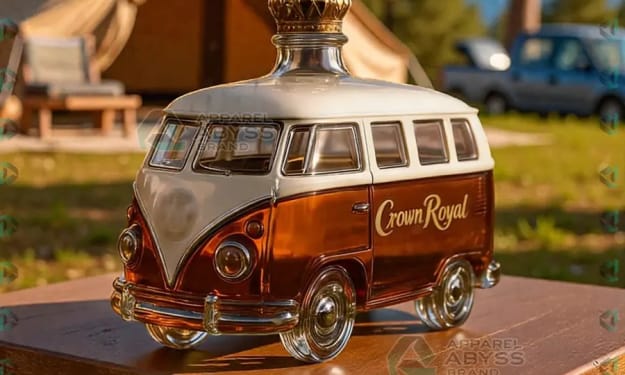
Get it on : https://apparelabyssbrand.com/product/volkswagen-t1-camper-van-decanter-whiskey-bottle/ The Ultimate Blend of Nostalgia and Spirits: The Volkswagen T1 Camper Van Whiskey DecanterFor decades, the Volkswagen T1 Camper Van—affectionately known as the "Bus" or the "Bulli"—has been a global symbol of freedom, adventure, and the "Van Life" spirit. Today, that iconic silhouette has found a new home: not on the open road, but on the top shelf of the world’s most stylish home bars. The Volkswagen T1 Camper Van Whiskey Decanter is a stunning piece of functional art that captures the heart of 1960s counter-culture and pours it into a glass of premium bourbon or scotch.A Design That Drives ConversationAt first glance, these decanters are a masterclass in detail.
By gia ton hanh4 days ago in Wheel
Affection and Healing for Yourself
During the night of the last quarter moon, I gathered my ritual supplies. I carefully handled the chunk of black tourmaline that would protect me from your overall negative and narcissistic energy. I carefully walked the house with my stick of selenite in hand, asking the universe to cleanse our working space.
By Alisha Wilkins ✒️🦋🖋️3 days ago in Fiction


Comments
There are no comments for this story
Be the first to respond and start the conversation.